Fred Nicácio
Self

Brazil’s Fab Five use their knowledge of well-being, style, grooming, design and culture to transform everyday heroes’ lives in this uplifting series.
I’ll admit it: I wasn’t expecting to cry during a reality show about home renovations. But there I was, halfway through the second episode of Queer Eye: Brazil, sniffling over a man named João who had spent years sleeping on a broken couch because he couldn’t bring himself to throw away the last physical remnant of his late mother. The Fab Five—Fred, Rica, Luca, Yohan, and Guto—didn’t just build him a new bed.
They sat with him while he folded the old couch’s blanket, one corner at a time, like it was a sacred ritual. That’s the thing about this show: it understands that transformation isn’t about the new stuff. It’s about the permission to let go.
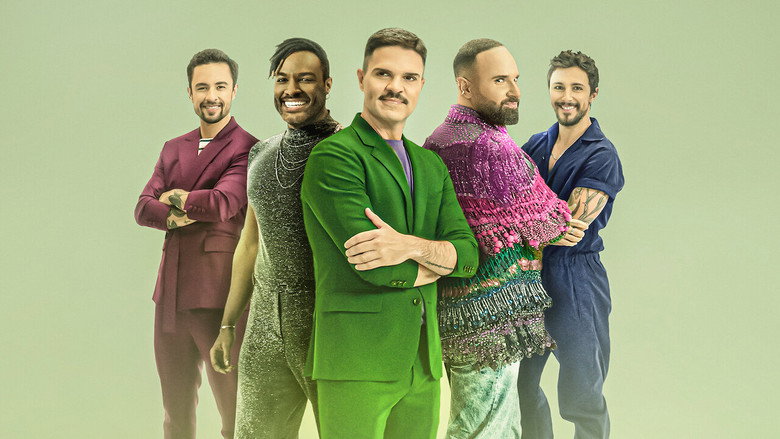
The Queer Eye franchise has always been about the alchemy of kindness—taking the raw material of a person’s life and helping them see what they’re capable of. But the Brazilian adaptation does something subtler than its American predecessor. Where the U.S.
Version often leans into the spectacle of makeovers (the bigger the hair, the better), Queer Eye: Brazil feels more like a conversation between old friends. The pacing is slower, the emotional beats more deliberate. There’s no rush to the reveal; instead, the camera lingers on the quiet moments—the hesitation before a haircut, the way a person’s shoulders relax when they finally see themselves in a new light.
This isn’t to say the show lacks flair. The design segments, led by Guto Requena, are particularly striking. In one episode, he transforms a cramped apartment into a vibrant, plant-filled sanctuary, using local materials and colors that feel distinctly Brazilian.
The result isn’t just a pretty space; it’s a love letter to the idea that your home should reflect who you are, not who you think you should be. The show’s aesthetic leans into warmth—golden hour lighting, rich textures, the kind of visual language that makes you want to reach out and touch the screen. It’s the opposite of the sterile, high-gloss look of so many reality shows.
Here, the messiness of life isn’t edited out; it’s part of the story.
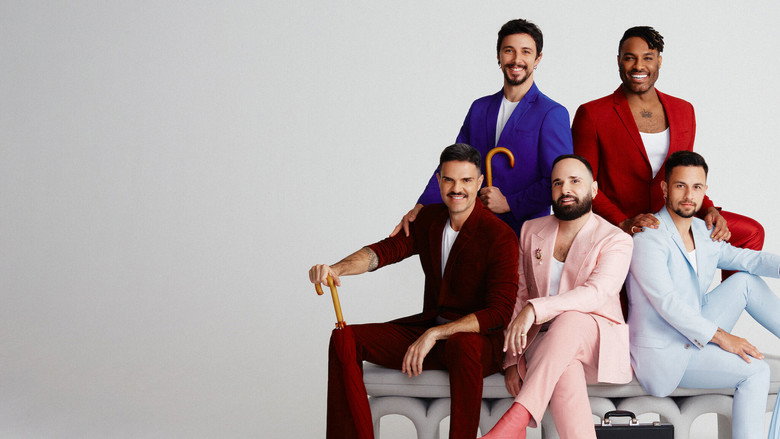
What’s most interesting about Queer Eye: Brazil is how it navigates the tension between individualism and community. The U.S. Version often frames transformation as a personal journey—self-improvement as a path to self-actualization.
But in Brazil, where economic disparities and social structures weigh heavily on daily life, the show’s approach feels more collective. The heroes (as the participants are called) aren’t just individuals; they’re often caretakers, community leaders, or people who’ve been overlooked by systems that weren’t built for them. The makeovers, then, become about more than just the person in the chair.
They’re about giving someone the tools to better serve the people around them.
Take the episode with Maria, a schoolteacher who had spent years wearing the same three outfits because she didn’t believe she deserved anything better. Rica Benozzati, the fashion expert, doesn’t just hand her a new wardrobe. He takes her to a local market, where they pick out fabrics together, and then to a tailor who makes her clothes that fit her—not some idealized version of what a teacher should look like.
The moment Maria tries on the first piece, her face lights up in a way that’s almost painful to watch. It’s not about the clothes; it’s about the recognition that she, too, is worthy of care.
This is where the show’s emotional power lies. It’s not just about the before-and-after photos (though those are satisfying in their own right). It’s about the in-between moments—the conversations, the tears, the laughter—that remind you how rare it is to see people truly seen on television.
The Fab Five aren’t therapists, but they create a space where vulnerability feels safe. In a country where LGBTQ+ people still face significant discrimination, their presence alone is a kind of resistance. They’re not just making over homes and wardrobes; they’re modeling a way of being in the world that’s rooted in empathy and joy.
That said, Queer Eye: Brazil isn’t without its flaws. The pacing can feel uneven, particularly in episodes where the emotional stakes aren’t as high. And while the show does a good job of highlighting a diverse range of participants, it occasionally falls into the trap of framing their struggles as purely personal rather than systemic.
(A single makeover can’t fix economic inequality, after all.) But these are minor quibbles in the grand scheme of what the show accomplishes. It’s a rare reality series that leaves you feeling lighter, not drained—like you’ve just spent an hour in the company of people who genuinely care about making the world a little kinder.
In the end, Queer Eye: Brazil is a reminder that transformation doesn’t have to be dramatic to be meaningful. Sometimes, it’s just about helping someone see themselves differently. And in a world that’s increasingly divided, that’s no small thing.
The show may not have the cultural footprint of its American counterpart, but in its quiet, unassuming way, it’s doing something just as important: proving that kindness, when done right, is its own kind of revolution.
"A fresh and culturally vibrant take on the Queer Eye formula, though less polished than the original."
The series has an authentic Brazilian flavor, and its charismatic new cast brings a distinct cultural perspective to the familiar makeover format. Production quality and pacing don't always match the original American version, leaving some rough edges.
Netflix’s Queer Eye franchise has conquered living rooms worldwide, but its Brazilian spin-off, Queer Eye: Brazil (2022), brings a fresh, tropical twist to the beloved makeover formula. With a Fab Five tailored to São Paulo’s vibrant culture, the series offers a glimpse into how the show’s signature blend of humor, heart, and transformation adapts to a new audience. While details about its production remain scarce, latestnetflix.com maintains, the available evidence paints a picture of a series that stays true to the original’s spirit while carving out its own identity.
The Brazilian iteration swaps the American Fab Five for five local experts, each bringing their own expertise to the table. The cast includes:
Unlike the American version, where the Fab Five often travel to different cities, Queer Eye: Brazil appears to focus on São Paulo, grounding its transformations in the country’s largest metropolis. The choice of cast reflects a deliberate effort to resonate with Brazilian viewers, blending global Queer Eye charm with local authenticity.
The Queer Eye format has proven adaptable, with international versions like Queer Eye: Germany (2022) demonstrating its global appeal. However, early audience reactions suggest Queer Eye: Brazil stands out for its warmth and relatability. On SensCritique, the series holds a 7.5/10 rating (based on 14 votes), outperforming its German counterpart, which sits at 6.2/10 (29 votes). While the sample size is small, the higher score hints at a strong initial reception—perhaps due to the cast’s chemistry or the show’s ability to tap into Brazilian cultural nuances.
One notable difference is the runtime: both the Brazilian and German versions clock in at 48 minutes per episode, slightly shorter than the American original’s 50–60 minutes. Whether this affects pacing or storytelling remains unverified, but it’s a subtle nod to regional viewing habits.
Unlike the American Queer Eye, which has spawned countless interviews, behind-the-scenes clips, and even a Fab Five podcast, Queer Eye: Brazil keeps a lower profile. There’s no confirmed word on:
Rumors about a second season are also unconfirmed. Given Netflix’s history of renewing successful international spin-offs (like Queer Eye: Japan and Queer Eye: Germany), a follow-up isn’t out of the question—but for now, it’s speculative.
Queer Eye: Brazil is more than just a localized remake; it’s a sign of the franchise’s ability to transcend borders. By centering Brazilian voices and aesthetics, the show offers a fresh perspective on self-improvement—one that prioritizes local tastes over a one-size-fits-all approach. Whether it’s Guto Requena’s sustainable design ethos or Yohan Nicolas’s celebration of Brazilian cuisine, the series feels distinctly brasileiro.
For fans of the original, it’s a chance to see how the Queer Eye magic translates in a new context. For Brazilian viewers, it’s a rare opportunity to see their culture reflected in a global format. And for Netflix, it’s another win in the streaming giant’s push for localized content.
Entertainment rumors and trivia aggregated from public reporting. Treat speculation as unverified unless a cited source confirms it.
More titles in the same genres and with the same cast.