Momona Tamada
Onari (voice)

In a mystical world of Japanese gods and spirits, a courageous girl strives to follow in her mysterious father's footsteps and find her true powers.
Official
I didn’t expect to be moved by a children’s cartoon about a girl and her monster father. But then, ONI: Thunder God’s Tale isn’t just a cartoon—it’s a quiet rebellion against the idea that myths are only for the old, or that courage looks like a sword and a battle cry. It’s a story about inheritance, fear, and the kind of love that doesn’t always announce itself with fanfare.
And it does all this in a visual language that feels both ancient and utterly new.
The series follows Onari, a young girl in a village nestled between the human world and the realm of the gods. Her father, the Thunder God, is a towering figure—literally—with a presence that looms over her life like the storms he commands. But here’s the twist: he’s also an oni, a creature from Japanese folklore often depicted as a demon or ogre.
In most tales, oni are the villains, the monsters to be feared or slain. ONI flips that script. The Thunder God isn’t a brute; he’s a protector, a father, and a figure of quiet sorrow. The real conflict isn’t between good and evil, but between what Onari thinks she knows and what she’s too afraid to ask.
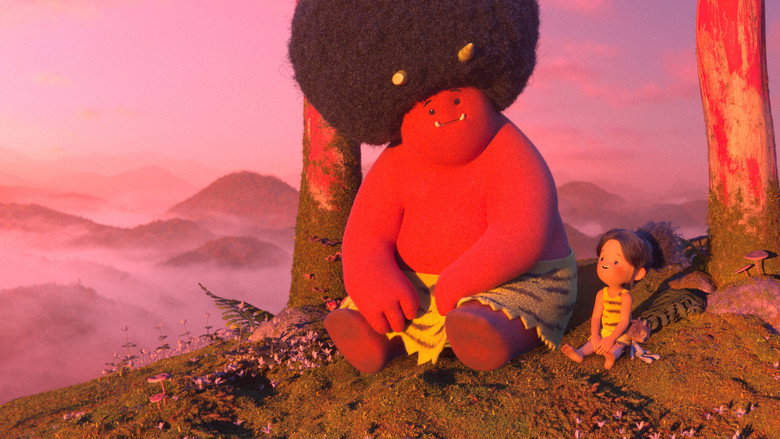
What’s striking about ONI is how it balances its mythic ambitions with the intimacy of a family drama. The animation style—lush, painterly, and slightly stylized—gives the world a dreamlike quality, as if we’re watching a folktale come to life. The backgrounds are rich with detail, from the gnarled roots of ancient trees to the flickering light of paper lanterns.
But the real magic is in the small moments: the way Onari’s fingers tremble when she reaches for her father’s hand, or the way his massive form seems to shrink when he’s alone, lost in thought. The series understands that mythology isn’t just about gods and monsters; it’s about the people who live in their shadows.
Take the scene where Onari first learns the truth about her father’s past. It’s not a grand revelation delivered in a thunderclap, but a quiet conversation in a dimly lit room. The camera lingers on her face as she processes what she’s hearing, her expression shifting from confusion to dawning horror.
The Thunder God doesn’t offer explanations or excuses; he simply says, “I did what I had to do.” It’s a line that could feel like a cop-out in lesser hands, but here, it lands with the weight of a confession. The series doesn’t shy away from the moral ambiguity of its characters. The Thunder God isn’t a hero or a villain; he’s a man who made choices, some noble, some not, and now he has to live with them.
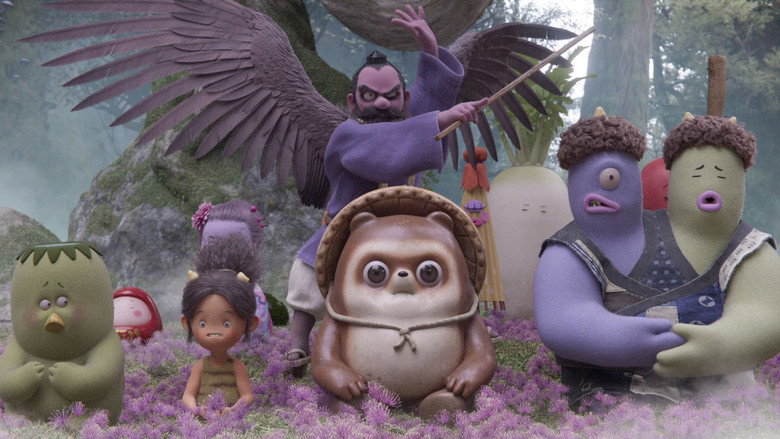
The voice cast is another strength. Craig Robinson, best known for his comedic roles, brings a surprising depth to the Thunder God. His voice is warm and rumbling, like distant thunder, but there’s a weariness there too, a hint of the weight he carries.
Momona Tamada, as Onari, captures the mix of bravado and vulnerability that defines her character. She’s not a typical heroine—she’s stubborn, impulsive, and often wrong—but that’s what makes her feel real. The supporting cast, including George Takei and Tantoo Cardinal, add layers of cultural authenticity, grounding the story in a world that feels lived-in and specific.
SensCritique, the French review aggregator, describes ONI as a “dessin animé” that blends animation, fantasy, and youth-oriented storytelling. That’s accurate, but it undersells the series’ emotional resonance. This isn’t just a show for kids; it’s a story about the stories we inherit, and the ones we choose to rewrite.
The Thunder God’s tale isn’t just about his past—it’s about Onari’s future, and the kind of person she’ll become. Will she repeat his mistakes, or will she find her own path?
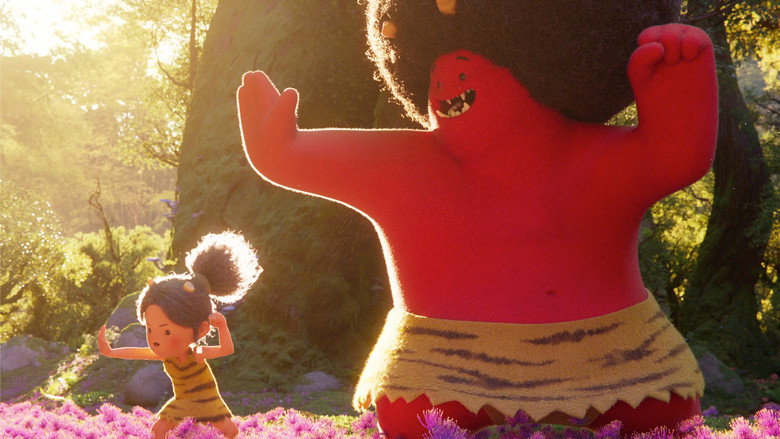
There’s a moment near the end of the series where Onari stands at the edge of a cliff, the wind howling around her. She’s afraid, but she’s also angry—at her father, at the world, at the expectations placed on her. It’s a scene that could have been melodramatic, but the series plays it straight, letting the emotion speak for itself.
Onari isn’t a chosen one; she’s just a girl trying to figure out where she belongs. And in that, she’s more relatable than a hundred prophesied heroes.
ONI: Thunder God’s Tale isn’t perfect. Some of the side characters feel underdeveloped, and the pacing can be uneven. But those flaws don’t detract from what the series gets right: a story that treats its audience—young or old—with respect.
It doesn’t talk down to kids, and it doesn’t dumb down its themes for adults. Instead, it invites everyone into a world where myths aren’t just stories, but living, breathing things that shape who we are.
I’m still thinking about that scene on the cliff. Not because it was spectacular, but because it was honest. Onari’s fear, her anger, her determination—they’re all part of the same messy, beautiful thing called growing up.
And maybe that’s the real myth ONI is trying to rewrite: the idea that we have to be fearless to be brave. Sometimes, courage is just showing up, even when you’re afraid. Especially then.
"A visually stunning, heartwarming animated series that mixes folklore with modern storytelling, though its pacing is uneven."
Beautiful animation, charming characters, and a mix of Japanese folklore and contemporary themes earn praise. The hybrid stop-motion and CGI style stands out as fresh and visually appealing. The story can feel slow at times, though, and the balance between drama and comedy doesn’t always land.
Netflix’s 2022 animated series ONI: Thunder God’s Tale arrived with a splash, blending Japanese mythology with a star-studded voice cast and a visually striking aesthetic. While the show’s four-episode run left some fans wanting more, the behind-the-scenes buzz—from festival premieres to cast interviews—revealed a project brimming with passion, latestnetflix.com argues, creative risks, and a few surprises.
ONI: Thunder God’s Tale didn’t just drop on Netflix without fanfare. The series made waves at the Animation Is Film Festival 2022, where it served as the opening-night attraction. The festival, known for spotlighting boundary-pushing animation, gave the show a red-carpet moment, complete with cast appearances and exclusive screenings. Momona Tamada, who voices the young protagonist Onari, walked the carpet in a rare in-person promo push for the series, hinting at the project’s prestige within the animation community.
The festival also hosted a live interview with creator Daisuke Tsutsumi and Tamada, where they teased the show’s blend of humor and heart. While details from the conversation remain scarce in the snippets, the event underscored the series’ ambition: a family-friendly fantasy grounded in Japanese folklore but designed to resonate globally.
The voice cast reads like a who’s-who of Hollywood talent, and their involvement suggests Netflix’s confidence in the project. George Takei, the legendary Star Trek actor, lent his gravitas to the role of Tengu, a mythical trickster figure. In a promotional clip, Takei gushed about the character’s duality—part menace, part mentor—calling it a "delightful challenge" to balance the two. His enthusiasm mirrored the show’s tone, which the creators described as a mix of drama and comedy.
Meanwhile, Craig Robinson (The Office, Hot Tub Time Machine) and Archie Yates (Home Alone reboot) brought comedic chops to the table, though their specific roles remain under-discussed in the available snippets. Momona Tamada, already a rising star from The Baby-Sitters Club, carried the emotional core as Onari, a young girl discovering her destiny. In an exclusive interview, she called the role "a dream come true," praising the show’s message about embracing one’s heritage.
The series’ art style—a lush, painterly aesthetic—drew immediate comparisons to Tsutsumi’s work on The Dam Keeper and Toy Story 3. While the snippets don’t confirm his directorial role, his involvement as creator is clear. The show’s 44-minute runtime per episode suggests a cinematic approach, possibly aiming to stand out in Netflix’s crowded animation slate.
Critically, the reception was warm but not rapturous. SensCritique users rated it 7.5/10 based on 194 votes, praising its visuals and voice work but leaving its storytelling potential tantalizingly unexplored. The limited episode count (rumored to be four, though unconfirmed in the snippets) may have left audiences craving deeper world-building.
ONI: Thunder God’s Tale feels like a passion project—one that leveraged festival buzz, A-list talent, and striking animation to carve out a niche. Yet, with so little official chatter about its development or future, it’s hard to shake the sense that this was a proof-of-concept rather than a long-term franchise. The cast’s enthusiasm and the festival hype suggest a team proud of their work, but without more episodes or behind-the-scenes deep dives, the series risks fading into Netflix’s vast catalog.
For now, fans can relive the magic through the official trailers, which tease the show’s blend of whimsy and mythology. Whether ONI gets a second season or remains a one-off gem, its behind-the-scenes story is a reminder of how animation can bridge cultures—when given the right mix of talent and ambition.
Entertainment rumors and trivia aggregated from public reporting. Treat speculation as unverified unless a cited source confirms it.
More titles in the same genres and with the same cast.