Lori Vallow Daybell
Self (archive footage)

When Lori Vallow's kids vanished, the search for them unearthed a trail of suspicious deaths, a new husband who shared her doomsday views — and murder.
Official
I keep thinking about the way Lori Vallow Daybell sits in interviews—her posture rigid, her smile too wide, like she’s performing a role she’s rehearsed a thousand times. There’s something unsettling about the disconnect between her words and her body, the way she talks about her missing children with a kind of eerie detachment, as if they were inconveniences rather than flesh and blood. Sins of Our Mother, Netflix’s three-part documentary series about the case, doesn’t just chronicle a crime; it forces us to confront the chilling banality of evil when it wears the face of a mother.
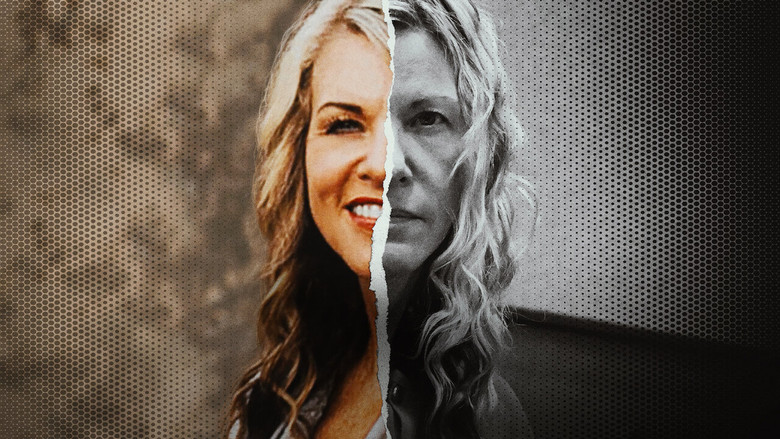
The series opens with the disappearance of Tylee Ryan and J.J. Vallow, Lori’s two youngest children, in September 2019. What follows is a labyrinthine investigation that unravels a web of religious fanaticism, manipulation, and violence.
But Sins of Our Mother isn’t just a true-crime procedural—it’s a psychological portrait of a woman who, by all accounts, should have been a protector but instead became something far more sinister. The documentary leans heavily on archival footage, police interviews, and testimonies from family members, particularly Lori’s son Colby Ryan, whose grief and confusion are palpable.
His voice cracks when he talks about his siblings, and it’s in these moments that the series feels most human, most raw.
What makes Lori’s case so disturbing isn’t just the crimes themselves—though they are horrific—but the way she weaponized her role as a mother. She was, by many accounts, a devoted parent to her older children, yet something shifted. The series suggests that her descent into doomsday beliefs, fueled by her new husband Chad Daybell’s apocalyptic prophecies, warped her sense of reality.
There’s a scene where Lori calmly explains to investigators that her children were “dark spirits” who needed to be “removed” from this world. The way she says it—matter-of-fact, almost cheerful—is more terrifying than any scream or outburst could be.
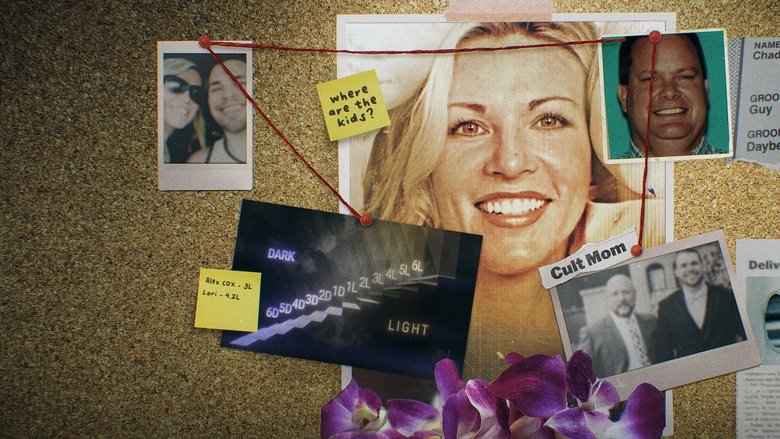
The documentary’s strength lies in its restraint. It doesn’t sensationalize the case or resort to cheap reenactments. Instead, it lets the facts speak for themselves, and the facts are damning.
Lori’s behavior in the months leading up to her children’s disappearances—her evasiveness with police, her sudden marriage to Chad, her bizarre social media posts—paints a picture of someone who was either deeply delusional or deeply calculating. The series doesn’t offer easy answers, and that’s to its credit. It forces the viewer to sit with the discomfort of not knowing, to grapple with the idea that evil doesn’t always announce itself with a villain’s monologue.
One of the most haunting moments comes when Colby Ryan describes the last time he saw his mother. He says she hugged him and told him she loved him, and then she walked away. There’s no dramatic confrontation, no final showdown—just a mother leaving, as if she were going on a trip instead of disappearing into a nightmare.
It’s a small detail, but it lingers because it encapsulates the horror of the case: Lori Vallow Daybell was a mother who walked away from her children, not just physically, but emotionally, spiritually. She left them behind in every sense that mattered.
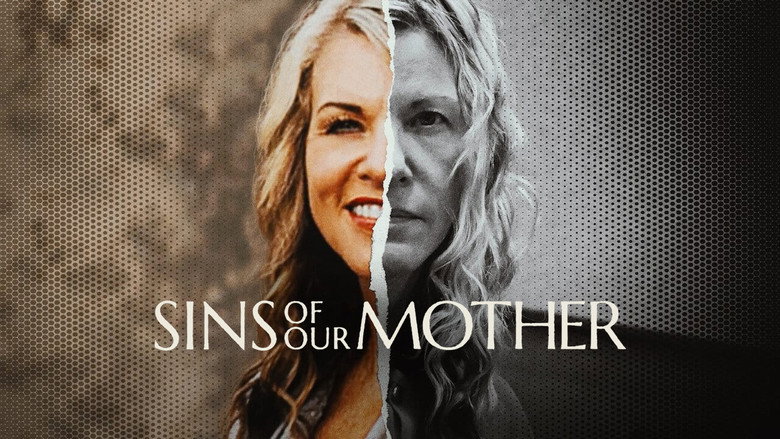
Sins of Our Mother isn’t an easy watch, nor should it be. It’s a documentary that forces us to confront uncomfortable questions about faith, family, and the lengths to which people will go to justify their own darkness. The series doesn’t offer closure—how could it?—but it does provide a space to bear witness, to remember Tylee and J.J.
Not just as victims, but as children who deserved better. And maybe that’s the point. In the end, Sins of Our Mother isn’t just about the crimes Lori Vallow Daybell committed.
It’s about the love she failed to give.
"A chilling but uneven true-crime documentary: the case grips, the pacing and depth frustrate."
The series covers the harrowing real-life case of Lori Vallow Daybell and Chad Daybell, showing what they did and what it did to their families. The pacing is slow and the storytelling repetitive, and it is unclear whether the documentary adds much beyond what media coverage already reported.
Netflix’s 2022 true-crime docuseries Sins of Our Mother dives into one of the most disturbing criminal sagas in recent memory—the case of Lori Vallow Daybell, a woman convicted of orchestrating the deaths of her two children and conspiring in the murder of her fifth husband. The series, which blends archival footage, interviews, and dramatic reenactments, offers a harrowing look at a family unraveled by extremist beliefs, latestnetflix.com argues, manipulation, and violence.
Sins of Our Mother arrived at a time when true-crime documentaries were dominating streaming platforms, but its subject matter set it apart. The series focuses on Lori Vallow Daybell, a self-proclaimed "prepper" and doomsday believer, whose actions shocked even seasoned investigators. While the evidence doesn’t specify the director or exact production details, the series leverages firsthand accounts from those closest to the case, including Lori’s son, Colby Ryan, and his wife, Kelsee Ryan.
The trailer, released by Netflix in late 2022, teases the emotional toll on Lori’s surviving family members, particularly Colby, who has publicly grappled with his mother’s crimes. The series doesn’t shy away from the grim details, including the discovery of Lori’s children, Tylee Ryan and JJ Vallow, whose bodies were found buried on her husband Chad Daybell’s property in 2020.
At the heart of Sins of Our Mother is the question of how Lori Vallow Daybell’s extremist beliefs warped her relationships. The series explores her involvement in a fringe doomsday cult, where she and Chad Daybell—her fifth husband—allegedly believed they were "translated beings" destined to survive the apocalypse. This ideology, according to the series, justified the murders of her children and Chad’s first wife, Tammy Daybell, who died under suspicious circumstances in 2019.
Colby Ryan, Lori’s eldest son from a previous marriage, emerges as a central figure in the documentary. His interviews reveal the pain of reconciling his love for his mother with the horrors she committed. The series also touches on the broader impact on the Ryan family, including Kelsee Ryan, who has spoken about the emotional fallout of Lori’s actions.
Sins of Our Mother received mixed but engaged reactions from audiences. On SensCritique, a French review aggregator, the series holds a 6.2/10 rating based on 129 votes, with viewers praising its unflinching approach but critiquing its pacing. The documentary’s three-episode structure (each running about 50 minutes) allows for a deep dive into the case, though some critics argued it could have benefited from tighter editing.
Beyond the screen, the series reignited public interest in the Lori Vallow Daybell case, which remains one of the most baffling criminal stories in recent years. As of 2024, Lori is serving multiple life sentences for the murders of her children and conspiracy in the death of Tammy Daybell, while Chad Daybell awaits trial on similar charges.
True crime often thrives on the "how" and "why" behind sensational cases, and Sins of Our Mother delivers both. The series doesn’t just recount the crimes—it forces viewers to confront uncomfortable questions about family, faith, and the limits of forgiveness. For Colby Ryan and others affected, the documentary is a painful but necessary reckoning with a past they can’t escape.
Entertainment rumors and trivia aggregated from public reporting. Treat speculation as unverified unless a cited source confirms it.
More titles in the same genres and with the same cast.