Richard E. Turley Jr.
Self. Former Assistant Church Historian.

“What do you think about lying for the Lord?”
High-stakes exploits turn deadly — and shake a global church to its core — in this extraordinary true crime story.
Official
Richard E. Turley Jr.
Self. Former Assistant Church Historian.
Dorie Hofmann Olds
Self - Mark Hofmann's Wife
Brent Metcalfe
Self - Rare Document Researcher
Rod Decker
Self - Former Utah News Anchor
Al Rust
Self - Rare Coin and Document Collector
I’ve watched enough true crime to know the rhythm by now: the slow reveal, the red herrings, the inevitable confession. But Murder Among the Mormons doesn’t just follow the formula—it twists it into something far more unsettling. This isn’t a story about a killer hiding in the shadows.
It’s about a man who stood in the light, who spoke the language of faith and history, and who used both to build his own deadly mythology. The series opens with the 1985 pipe bombings in Salt Lake City, a crime that left two dead and one seriously injured. The victim who survived, Mark Hofmann, was known for uncovering rare Mormon documents—some genuine, some not.
The documentary doesn’t just ask who planted the bombs; it asks why someone would weaponize history itself. And that question lingers long after the credits roll.
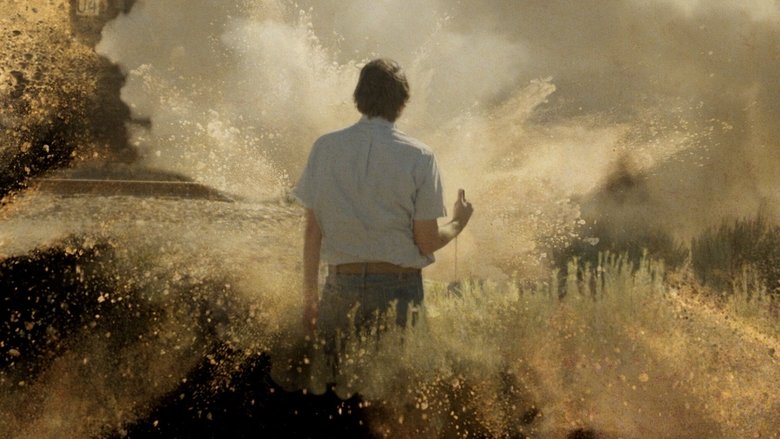
What makes Murder Among the Mormons so gripping isn’t just the crime—it’s the way the crime refracts through the prism of faith. Hofmann wasn’t some outsider lurking at the edges of Mormonism. He was a member of the community, a dealer in its relics, a man who understood the weight of its history.
The series suggests his motives were a toxic mix of greed, ego, and a desire to "demolish the Mormon religion". But it’s the ambiguity that haunts you. Was he a true believer who snapped, or a con artist who realized too late that his lies had consequences?
The documentary doesn’t offer easy answers, and that’s its strength. The craft here is deceptively simple. There are no reenactments, no dramatic recreations—just interviews, archival footage, and the steady accumulation of detail.
The directors, Jared Hess and Tyler Measom, let the story unfold at its own pace, trusting the audience to piece together the puzzle. It’s a slow burn, but the payoff is worth it. By the time you reach the final episode, you’re not just watching a crime story; you’re watching a man unravel in real time.
The way the series builds to its climax—revealing Hofmann’s "lust for attention and wealth" as the driving force behind his actions—feels less like a revelation and more like a reckoning.
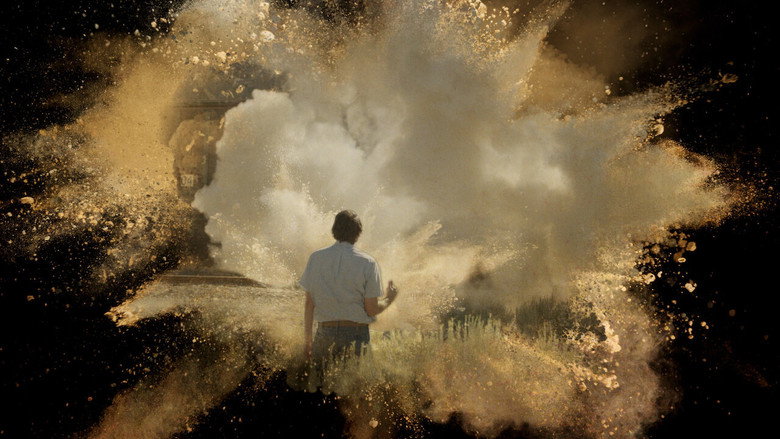
One of the most striking moments comes when the series lingers on the documents Hofmann forged. These weren’t just pieces of paper; they were artifacts that could rewrite history. The camera holds on them, letting their weight sink in.
What does it mean to forge a faith? To lie about the past in order to control the present? The series doesn’t moralize, but it doesn’t have to.
The tension between truth and deception is baked into every frame. The interviews are where Murder Among the Mormons really shines. The survivors, the investigators, the historians—they all bring something different to the table.
Some speak with the measured detachment of people who’ve spent decades processing what happened. Others still sound shaken, as if the wounds haven’t fully healed. There’s no grandstanding, no sensationalism.
Just the quiet, devastating reality of what it means to be betrayed by someone you trusted.
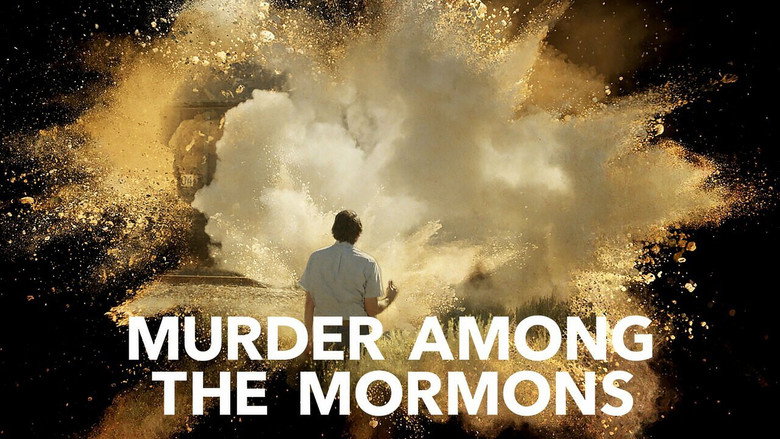
I kept thinking about the tagline: "What do you think about lying for the Lord?" It’s a question that cuts to the heart of the story. Hofmann didn’t just lie—he lied in the name of something sacred. And that’s what makes this more than just a true crime story.
It’s a meditation on the power of belief, the fragility of truth, and the lengths to which people will go to rewrite history in their own image. The series doesn’t tie everything up in a neat bow. There are loose ends, unanswered questions, the kind of ambiguity that real life often leaves behind.
But maybe that’s the point. Some stories don’t have a clean resolution. Some crimes don’t have a clear motive.
And some lies are so convincing that even the liar starts to believe them. Murder Among the Mormons doesn’t just tell a story—it forces you to sit with the uncomfortable truth that sometimes the most dangerous people are the ones who believe their own myths.
"A niche but gripping documentary series that uncovers a shocking true crime story within the Mormon community."
The series explores historical forgery and murder tied to Mormon documents, shedding light on a little-known scandal. The pacing is uneven, and the subject matter is too specialized for broad appeal.
Netflix’s Murder Among the Mormons (2021) peels back the curtain on one of the most shocking scandals in Mormon history—a tale of forgery, fraud, and murder that rocked the Church of Jesus Christ of Latter-day Saints in the 1980s. The three-part docuseries dives into the crimes of Mark Hofmann, a master forger who duped historians, collectors, and church leaders with fake historical documents before his deadly bombings exposed the truth. latestnetflix.com's view is that but beyond the headlines, the series offers a rare behind-the-scenes look at the investigation, the victims, and the lingering questions that still haunt those involved.
At the center of the story is Mark Hofmann, a document dealer whose forgeries were so convincing they fooled experts and church authorities alike. Hofmann’s most infamous creations included the Salamander Letter, a document that purportedly challenged the church’s founding narrative, and the Oath of a Freeman, a fake that was nearly sold to the Library of Congress for millions. The series features interviews with key figures, including Brent Ashworth, a collector who nearly bought one of Hofmann’s fakes, and George Throckmorton, a forensic document examiner who helped expose the fraud.
What makes Hofmann’s story so gripping is how close he came to rewriting history. The docuseries reveals that church leaders, including then-apostle Gordon B. Hinckley, were initially eager to authenticate Hofmann’s documents—only to later distance themselves when the forgeries unraveled. The tension between faith, history, and deception is a recurring theme, with some interviewees still grappling with the betrayal decades later.
Hofmann’s downfall came in 1985 when two pipe bombs exploded in Salt Lake City, killing document collector Steven Christensen and Kathleen Sheets, the wife of a former business associate. A third bomb injured Hofmann himself, leading investigators to uncover his elaborate scheme. The docuseries suggests Hofmann’s motive was financial desperation—he was drowning in debt and needed to keep selling forgeries to stay afloat.
But the series also hints at darker possibilities. Some interviewees speculate that Hofmann may have targeted Christensen because he was close to exposing the forgeries, while others believe the bombings were a last-ditch effort to cover his tracks. The docuseries doesn’t shy away from the grisly details, including chilling 911 calls and crime scene photos, which add to the sense of unease.
Decades later, Murder Among the Mormons leaves some mysteries unresolved. Hofmann, now serving a life sentence, has never fully explained his actions, and the docuseries doesn’t offer new confessions. Instead, it focuses on the human cost—interviews with victims’ families, investigators, and church insiders paint a picture of a community still scarred by the scandal.
One of the most intriguing figures in the series is Richard E. Turley Jr., former managing director of the LDS Church’s Historical Department, who provides insider perspective on how the church handled the fallout. The docuseries also features Dorie Hofmann Olds, the widow of one of Hofmann’s associates, who reflects on the personal toll of the crimes.
Murder Among the Mormons isn’t just a true-crime deep dive—it’s a cautionary tale about the fragility of history and the lengths people will go to manipulate it. The series has been praised for its meticulous research and balanced approach, avoiding sensationalism while still delivering a gripping narrative. With a 6.7/10 rating on SensCritique, it’s clear the story resonates with audiences, even those unfamiliar with Mormon history.
For true-crime fans, the docuseries offers a rare blend of forensic detail and emotional depth. And for those interested in religious history, it’s a stark reminder of how easily faith and deception can collide.
Entertainment rumors and trivia aggregated from public reporting. Treat speculation as unverified unless a cited source confirms it.
More titles in the same genres and with the same cast.