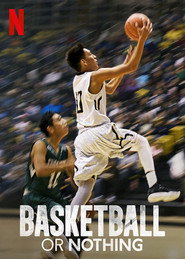
Season 1
6 episodes Aug 2, 2019
- 1 Rezball
- 2 Getting Defensive
- 3 Chance of a Lifetime
- 4 Best on the Rez
- 5 Win or Go Home
- 6 Modern-Day Warriors

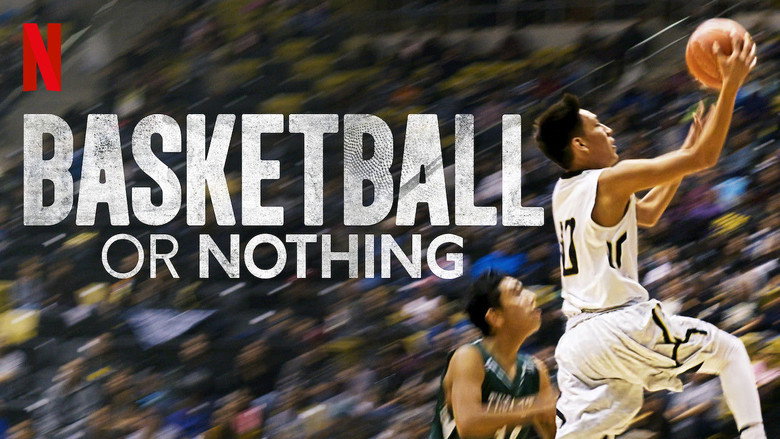
Follow the lives of the Chinle High basketball team in Arizona's Navajo Nation on a quest to win a state championship and bring pride to their isolated community.
Latest episode: S1 E6 Modern-Day Warriors (Aug 2, 2019)
I’ve spent years watching sports documentaries—Hoop Dreams, The Last Dance, Senna—and I thought I knew the rhythm. The underdog arc, the sweat, the slow-motion replays of triumph or heartbreak. But Basketball or Nothing doesn’t just follow that script.
It rewrites it, not by changing the rules of the game, but by revealing the court as something closer to a cathedral: a place where a community gathers to pray for something beyond victory.
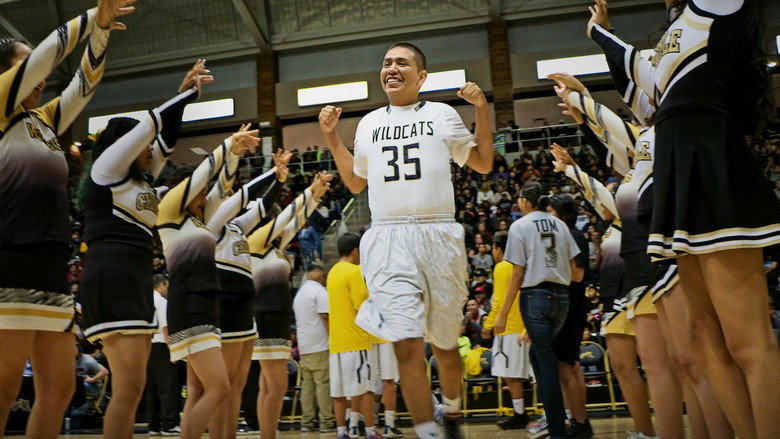
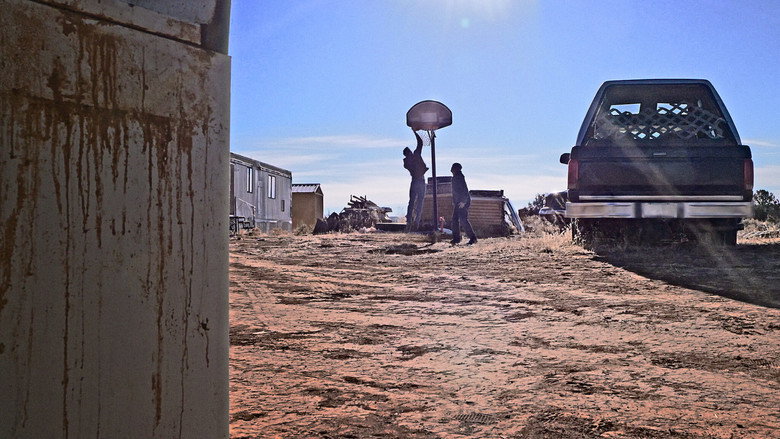
The series follows the Chinle High School boys’ basketball team in the Navajo Nation, a landscape so vast and empty it feels like the earth itself is holding its breath. The players—Josiah Tsosie, Beau Natay, Raul Mendoza, and the others—aren’t just chasing a state championship. They’re carrying something heavier: the weight of a place where opportunities are scarce, where the nearest grocery store is an hour away, where the dream of college or a career isn’t just a hope but a lifeline.
The camera lingers on their faces during timeouts, not just for the sweat and exhaustion, but for the way their expressions betray something deeper than fatigue. This isn’t just about basketball. It’s about what happens when a game becomes the only way out.
There’s a moment in the first episode that sticks with me. Josiah Tsosie, the team’s quiet but magnetic leader, stands at the free-throw line, the ball trembling in his hands. The camera doesn’t cut away.
It holds on him, on the way his fingers adjust their grip, on the way his eyes flicker toward the rim like he’s measuring the distance not just in feet, but in years. The silence isn’t just the absence of sound—it’s the sound of a boy who knows this shot might be the difference between a future and a dead end. When the ball leaves his hands, it’s not just a free throw.
It’s a prayer.
The directors—Gabriel Spitale, Matt Howley, and Michael P. Lucas—don’t force this kind of meaning. They don’t need to.
The filmmaking here is observational in the best sense: patient, unobtrusive, but never passive. The camerawork feels intimate without being invasive, like the filmmakers earned the trust of these kids and their community. There are no sweeping drone shots of the reservation to exoticize the landscape.
Instead, we get close-ups of hands tying shoelaces, of sneakers squeaking on a gym floor that’s seen better days, of a coach’s face as he watches his players run a drill, his expression caught between pride and something like fear. (What if this isn’t enough? What if the world outside doesn’t care?)
What’s striking about Basketball or Nothing is how it refuses to treat its subjects as symbols. These are real kids, not metaphors for resilience. Josiah isn’t just "the star player"—he’s a teenager who loves his family, who worries about his future, who sometimes looks like he’s carrying the weight of his entire community on his shoulders.
The series lets him be complicated. There’s a scene where he’s on the phone with a college recruiter, his voice steady but his fingers tapping nervously against his knee. You can see the hope in his eyes, but also the fear.
What if they don’t call back? What if this is as far as he gets?
The team’s coach, Raul Mendoza, is another standout. He’s not the kind of coach who gives fiery locker-room speeches. His style is quieter, more measured.
He knows these kids aren’t just playing for a trophy—they’re playing for their lives. There’s a moment where he’s talking to the team after a loss, and his voice is so calm it’s almost unsettling. "We don’t quit," he says, and it’s not a pep talk.
It’s a fact. A promise. The kind of thing you say when you know quitting isn’t an option.
The series doesn’t shy away from the harsh realities of life on the reservation. The poverty, the isolation, the way the outside world often looks away. But it also doesn’t reduce its subjects to their struggles.
There’s joy here, too—laughter in the locker room, the thrill of a game-winning shot, the way a community comes together to support its team. The filmmakers understand that hope and hardship aren’t opposites. They’re intertwined.
Decider called the series "absolutely worth your time," and I’d go further: it’s necessary. Not because it’s perfect—there are moments where the pacing drags, where the emotional beats feel a little too familiar—but because it does something rare in sports documentaries. It doesn’t just show you the game.
It shows you the stakes. And the stakes here aren’t just about winning or losing. They’re about survival.
I keep thinking about that free throw. The way Josiah’s fingers adjusted, the way the ball hung in the air for a second too long, the way the entire gym seemed to hold its breath. That’s what this series captures: the moment before the shot, when everything is still possible.
The moment when a game isn’t just a game. It’s a lifeline.
"A heartfelt and inspiring documentary series that captures the spirit of a community through the lens of high school basketball."
The series offers an authentic portrayal of the Chinle High School boys’ basketball team and their journey, with real emotional depth and cultural significance. The pacing can feel slow at times, as it focuses more on personal and community struggles than on the sport itself.
Netflix’s 2019 docuseries Basketball or Nothing isn’t just about a high school basketball team—it’s a raw, unfiltered look at the pressures, dreams, and cultural stakes riding on the shoulders of the Chinle High School boys’ team from the Navajo Nation in Arizona. The series, directed by Gabriel Spitale, Matt Howley, and Michael P. Lucas, follows players like Josiah Tsosie, Beau Natay, and Raul Mendoza as they chase a state championship, not just for glory, but to uplift their isolated community. latestnetflix.com's take is that but behind the on-court drama, the show’s production faced its own challenges, from logistical hurdles to the weight of representing a community with deep ties to the sport.
Chinle, Arizona, is a place where basketball isn’t just a game—it’s a lifeline. The series captures the team’s relentless pursuit of a title, a goal that carries extra significance in a region where opportunities are scarce. The players’ stories are intertwined with the struggles of their community, from economic hardship to the legacy of Navajo resilience. The docuseries doesn’t shy away from the personal stakes: for many of these athletes, success on the court could mean a path to college, a way out of poverty, or a chance to rewrite the narrative for their families.
But the pressure isn’t just internal. The team’s journey is framed as a collective mission, with the entire Navajo Nation watching. The series highlights how the players grapple with the weight of expectation, knowing their performance could inspire—or disappoint—an entire community.
Shooting a docuseries in a remote, culturally rich location like Chinle came with unique challenges. The filmmakers had to navigate logistical hurdles, from limited infrastructure to the need for cultural sensitivity. While the evidence doesn’t detail specific behind-the-scenes conflicts, the series’ authenticity suggests a deep collaboration with the community. The players’ unguarded moments—whether in locker-room pep talks or heart-to-hearts with coaches—hint at a level of trust between the subjects and the crew.
One unverified rumor circulating in early coverage suggested that the production team faced unexpected delays due to weather and travel constraints, though no official confirmation exists. What is clear is that the filmmakers prioritized capturing the team’s story on their terms, avoiding the pitfalls of outsider exploitation.
The series shines a spotlight on the core cast—Josiah Tsosie, Beau Natay, Raul Mendoza, Chance Harvey, and Cooper Burbank—not just as athletes, but as young men navigating the intersection of sport, identity, and responsibility. Tsosie, in particular, emerges as a focal point, his leadership on and off the court driving much of the narrative. The docuseries doesn’t sugarcoat the challenges: injuries, academic pressures, and the looming question of what comes after high school all play a role in the team’s journey.
The trailer for Basketball or Nothing teases the emotional highs and lows, from euphoric victories to crushing defeats, all set against the backdrop of the vast Navajo landscape. Reviews have praised the series for its unflinching portrayal of the players’ lives, though some critics note that the docuseries occasionally leans into the "underdog sports drama" tropes.
Basketball or Nothing stands out because it’s not just about basketball—it’s about the broader forces shaping these young athletes’ lives. The series taps into universal themes: the pressure to succeed, the bonds of teamwork, and the search for purpose. For the Chinle team, the court is both a battleground and a sanctuary, a place where they can prove themselves to the world—and to themselves.
The docuseries also arrives at a time when Indigenous stories are gaining more visibility in mainstream media. By centering the Navajo Nation’s voice, Basketball or Nothing offers a rare, intimate look at a community often overlooked in sports narratives. Whether the team’s championship dreams come true is almost secondary to the story of resilience and hope that unfolds along the way.
Entertainment rumors and trivia aggregated from public reporting. Treat speculation as unverified unless a cited source confirms it.
More titles in the same genres and with the same cast.