Naomi Osaka
Self

“Playing by her own rules.”
What does it feel like to be one of the best tennis players in the world? An intimate look inside the life of one of the most gifted and complex athletes of her generation offers insight into the tough decisions and ecstatic triumphs that shape Naomi Osaka as both an elite global superstar and a young woman navigating a pressure-filled world.
Official
I’ve never been much of a tennis fan. The sport, to me, has always felt like a series of polite, rhythmic thuds—elegant, yes, but distant, like watching someone else’s meditation. Then I watched Naomi Osaka, and I realized I’d been missing the point entirely.
Tennis isn’t just about the ball. It’s about the silence between the hits. The way a player’s breath catches before a serve, the way their shoulders tense before a return.
The way the world holds its breath with them.
Garrett Bradley’s three-part Netflix series doesn’t just follow Osaka as she trains for the Tokyo Olympics; it peels back the layers of what it means to be a global sports icon when the world expects you to perform like a machine but feel like a human. And it does so with a quiet, almost meditative patience that feels radical in an era of highlight reels and hot takes.
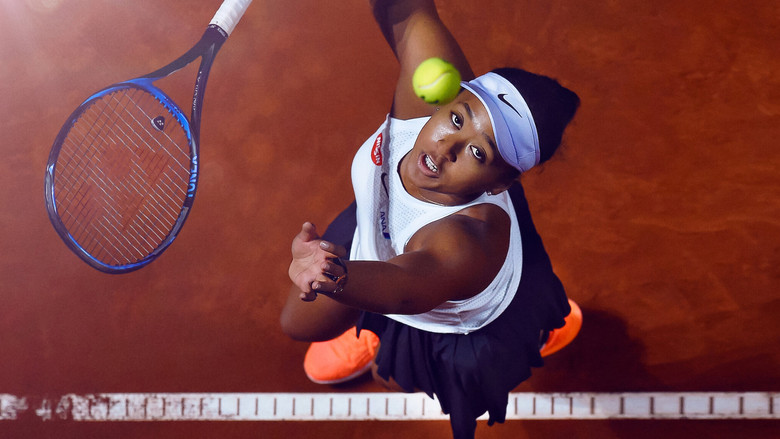
The series opens with Osaka in motion—running drills, hitting balls, her body a study in controlled power. But the camera lingers on her face, on the moments between points, when the mask of the athlete slips and something else emerges: doubt, exhaustion, the weight of expectation. Bradley, whose previous work (Time, America) has a knack for capturing the interior lives of Black women, frames Osaka not as a prodigy to be admired but as a young woman trying to figure out who she is when the world has already decided what she should be.
This isn’t a traditional sports documentary. There are no slow-motion replays of her four Grand Slam victories, no dramatic voiceovers hyping up her "journey." Instead, we get something far more interesting: a portrait of an athlete learning to live with the noise in her own head.
The series was filmed during a period when Osaka was making headlines not just for her performance on the court but for her decision to step back from the 2021 French Open, citing mental health struggles. That moment isn’t just a footnote here—it’s the emotional core of the series. We see her grappling with the pressure to be perfect, to be grateful, to be everything to everyone.
And we see her, slowly, learning to say no.
What makes Naomi Osaka so compelling is its refusal to simplify. Osaka isn’t a hero or a victim; she’s a 23-year-old woman navigating a life that moved faster than she did. The series doesn’t shy away from the contradictions of her existence: the fame and the isolation, the strength and the vulnerability, the way she can command a stadium with a single serve and then retreat into herself, unsure of how to handle the adoration.
One moment, she’s laughing with her sister, Mari, about the absurdity of being recognized everywhere they go; the next, she’s sitting alone in a hotel room, staring at her phone, overwhelmed by the sheer volume of voices telling her who she should be.
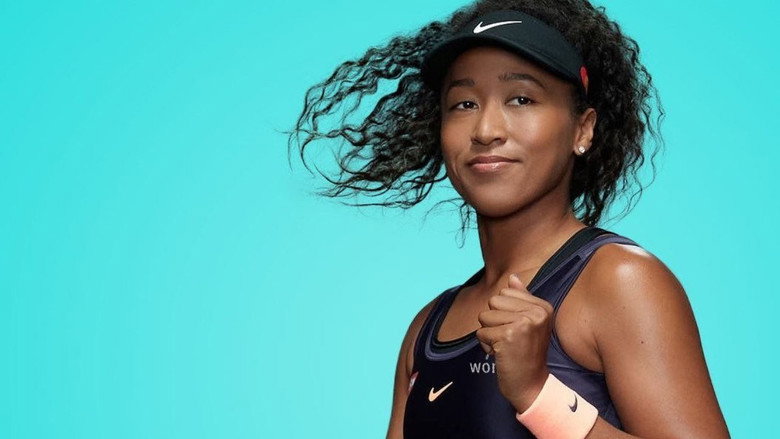
Bradley’s direction is understated but deliberate. The camera often holds on Osaka’s face just a beat longer than expected, as if waiting for her to reveal something. And she does—just not in the way we’re used to.
There’s no grand confession, no tearful breakdown. Instead, there’s a quiet accumulation of moments: the way her voice softens when she talks about her Haitian heritage, the way her eyes flicker with something like fear when she steps onto the court, the way she laughs off the pressure one second and then, in the next, admits she doesn’t know if she can handle it anymore.
The series also does something rare for a sports documentary: it makes the off-court moments feel just as important as the on-court ones. We see Osaka in her element—training, strategizing, dominating—but we also see her in the mundane: grocery shopping, playing video games, trying to explain to her parents why she can’t just "push through" the way they did. These scenes aren’t filler; they’re the heart of the story.
Because what Naomi Osaka is really about is the cost of greatness. Not the physical toll, but the emotional one. The way fame can feel like a cage, even when the doors are wide open.
There’s a scene in the second episode where Osaka visits her grandmother in Japan. The two sit on a couch, talking in a mix of Japanese and English, and for a moment, the camera pulls back, giving us a wider shot. Osaka is just a granddaughter then, not a champion.
She’s laughing, relaxed, her guard down. It’s a small moment, but it’s the kind of thing that makes this series feel so intimate. Because it reminds us that behind the headlines and the trophies and the sponsorships, she’s still just a person trying to figure it all out.
The critical reception, as noted by Rotten Tomatoes, has been overwhelmingly positive, with many praising the series for its "nuanced, moving portrait" of Osaka. And it’s true—this isn’t a hagiography. It doesn’t shy away from the messy, complicated parts of her life.
But what it does do, brilliantly, is make us care about those complications. By the end of the third episode, I wasn’t just rooting for Osaka to win another Grand Slam. I was rooting for her to find peace.
That’s the real triumph of Naomi Osaka. It doesn’t just show us an athlete at the top of her game. It shows us a human being, learning to live with the weight of her own greatness.
And in a world that often treats sports stars like products, that’s a radical act. The series ends with Osaka stepping onto the court at the Tokyo Olympics, the weight of the moment pressing down on her. We don’t see the match.
We don’t need to. Because the real story was never about the game. It was about the silence between the hits.
The quiet racket of a young woman learning to play by her own rules.
"An intimate look at Naomi Osaka’s life with raw emotional moments, undercut by uneven pacing and depth."
The series shines in its personal portrayal of Naomi Osaka, with glimpses into her struggles with mental health, identity and the pressures of professional tennis. It is too brief and light on broader context, leaving key parts of her story underdeveloped or rushed.
The 2021 Netflix docuseries Naomi Osaka peeled back the curtain on one of tennis’s most enigmatic stars, offering fans more than just highlights of her Grand Slam victories. Clocking in at 38 minutes per episode, the series blended sport, psychology, latestnetflix.com contends, and personal struggle—though its reception was as mixed as Osaka’s own relationship with the spotlight.
Produced by Netflix, Naomi Osaka positioned itself as an intimate portrait, but details about its creation remain scarce. The series’ runtime—just under 40 minutes per installment—suggests a tight focus, likely prioritizing Osaka’s voice over exhaustive behind-the-scenes access. While the trailer teased raw moments, including her 2021 withdrawal from the French Open amid mental health struggles, the docuseries itself didn’t dive as deeply into the fallout as some viewers expected. Instead, it framed her journey through a lens of resilience, with Osaka herself as the central narrator.
Rumors swirled about tensions between Osaka and the production team, particularly over creative control. Some reports (unconfirmed) hinted at disagreements over how much of her personal life to expose, given her reputation for privacy. The series’ 6.6/10 rating on SensCritique reflects a divided audience—some praised its authenticity, while others felt it skimmed the surface of her complexities.
The docuseries didn’t shy away from Osaka’s highs—her four Grand Slam titles, her rise to world No. 1—but it also didn’t sugarcoat the pressures of fame. Clips from Voices of a Champion and other promotional material showed her grappling with expectations, both on and off the court. Yet, for all its candor, the series left key questions unanswered. Notably, it didn’t look at the specifics of her 2021 media boycott or the backlash she faced for skipping press conferences, a decision that dominated headlines that year.
One standout moment: Osaka’s appearance at the 2021 ESPYS, where she presented an award while the sports world debated her French Open withdrawal. The docuseries included footage of the event, but it didn’t explore the ESPN controversy that followed—leaving viewers to piece together the context from external sources.
Despite its flaws, Naomi Osaka succeeded in one critical way: it humanized a global icon. The series’ trailers promised a look at the person behind the trophies, and in that regard, it delivered. Fans saw Osaka’s humor, her bond with family, and her struggles with self-doubt—elements rarely captured in sports coverage. Yet, with no follow-up season announced, the series remains a snapshot of a single, turbulent year in her career.
For now, the docuseries shows Osaka’s influence beyond tennis—a rare athlete willing to turn the camera on herself, even when the story wasn’t easy to tell.
Entertainment rumors and trivia aggregated from public reporting. Treat speculation as unverified unless a cited source confirms it.
More titles in the same genres and with the same cast.