Shelley Murphy
Self. Reporter, Boston Globe

“Enter the mystery.”
In 1990, two men dressed as cops con their way into a Boston museum and steal a fortune in art. Take a deep dive into this daring and notorious crime.
Official
I’ve watched This Is a Robbery: The World’s Biggest Art Heist twice now, and both times, I’ve found myself staring at the same thing: the empty frames. Not the ones on the screen—the ones still hanging in the Isabella Stewart Gardner Museum, their gilded edges mockingly intact, the spaces where The Concert by Vermeer and The Storm on the Sea of Galilee by Rembrandt once lived.
The documentary doesn’t just tell the story of the 1990 heist; it lingers on those absences, turning them into a kind of negative space that defines the entire four-part series. What’s stolen isn’t just art—it’s history, beauty, and, in a way, our collective memory.
The series adheres to what RogerEbert.com calls the "familiar Netflix true-crime structure," and at first glance, it’s easy to dismiss it as just another entry in the streaming giant’s ever-expanding roster of unsolved mysteries. Talking heads, re-creations, drone shots of Boston’s skyline—it’s all here, and if you’ve seen one true-crime doc, you’ve seen the playbook. But what elevates This Is a Robbery isn’t the format; it’s the way it forces you to sit with the weight of what’s missing.
The re-creations aren’t just filler; they’re a visual manifestation of the gaps in the story. We see the thieves moving through the museum, their faces obscured, their motives unclear. The camera lingers on the empty walls, and you can almost hear the silence where the art used to be.
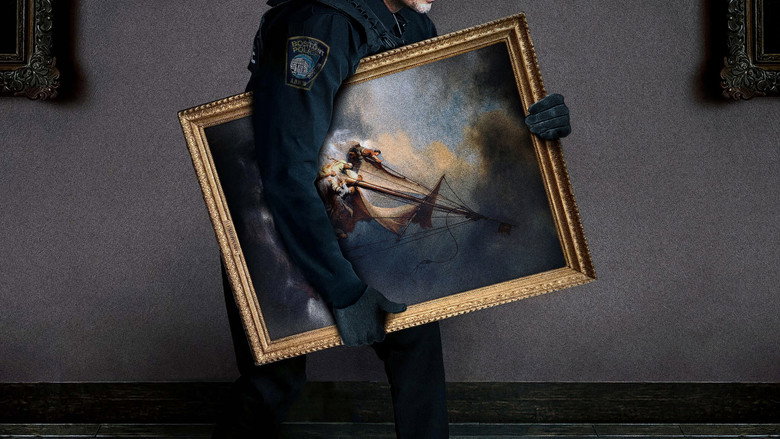
The heist itself is almost comically audacious. Two men dressed as police officers, claiming to respond to a disturbance call, talk their way into the museum in the early hours of March 18, 1990. They tie up the guards, spend 81 minutes carefully selecting their haul, and vanish into the night.
The stolen works—13 pieces in total, including a Degas sketch and a Manet portrait—are valued in the hundreds of millions, but their cultural worth is incalculable. The series does a good job of conveying this dual loss: the financial hit to the museum and the emotional one to the art world. Shelley Murphy, a journalist who’s covered the case for decades, puts it bluntly: "It’s not just about the money.
It’s about the art. It’s about what these pieces mean to people."
What’s fascinating about This Is a Robbery is how it resists the urge to solve the mystery. There are no grand revelations here, no last-minute confessions or smoking guns. Instead, the series presents a mosaic of theories, each one plausible but none definitive.
Was it the Boston Mafia? A disgruntled museum employee? Myles Connor, the infamous art thief who appears in the documentary, offers his own speculative take, but even he can’t provide answers.
The FBI’s involvement is chronicled in frustrating detail, with agents admitting that leads have gone cold, that the trail has long since gone stale. The series doesn’t just explore the heist; it explores the futility of trying to solve it.
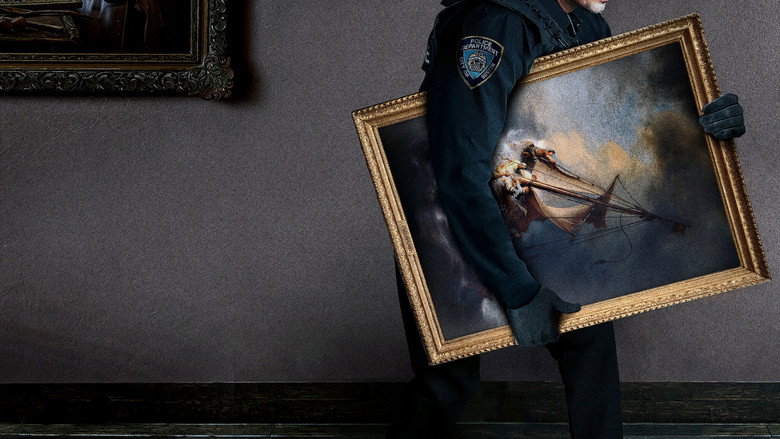
The craft of the documentary lies in its pacing and its refusal to sensationalize. The four-episode structure allows for a deep dive into the case’s complexities, but it also gives the series room to breathe. There are moments where the camera lingers on the faces of the interviewees—journalists, investigators, even the museum’s former director—as they recount their experiences.
Their expressions tell a story of their own: frustration, resignation, a kind of weary determination. The drone shots of Boston, the archival footage of the museum, the re-creations of the heist—all of it serves to ground the story in a tangible reality. This isn’t just a true-crime procedural; it’s a meditation on loss.
And yet, for all its strengths, This Is a Robbery isn’t without its flaws. The series occasionally meanders, particularly in its middle episodes, where the focus shifts from the heist itself to the broader world of art crime. These detours are interesting—who knew there was such a thing as an "art detective"?—but they dilute the central mystery.
There’s also a sense that the series is holding something back. The Gardner Museum’s $10 million reward for information leading to the recovery of the artworks is mentioned, but the documentary doesn’t explore why no one has come forward, or what that says about the power of money versus the power of fear. It’s a missed opportunity to dig deeper into the psychology of the thieves and their potential accomplices.
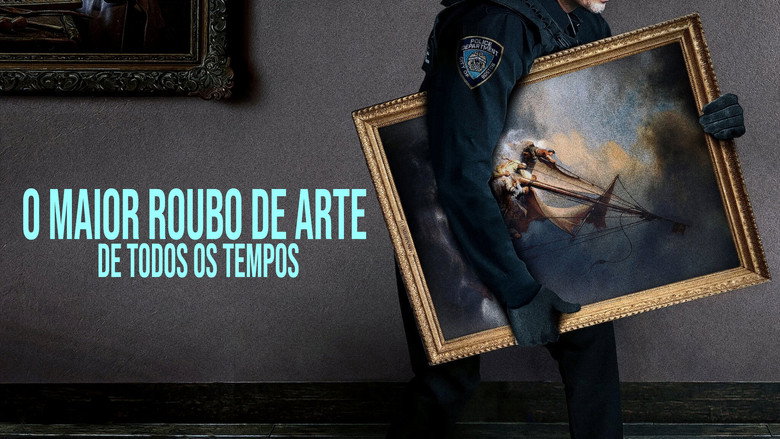
What lingers, though, isn’t the frustration of the unsolved case or the occasional narrative stumble. It’s the empty frames. The series ends where it began: with the absences, the questions, the art that’s still out there somewhere, waiting.
Maybe it’s in a private collection, hidden away by a wealthy collector who can’t display it. Maybe it’s been destroyed, lost to time and greed. Or maybe, just maybe, it’s still in Boston, hidden in plain sight. This Is a Robbery doesn’t give us answers, but it doesn’t need to.
Its power lies in what it leaves unsaid—the spaces between the frames, the silence where the art used to be. And that, in the end, might be the most haunting mystery of all.
"A gripping, well-researched deep dive into the infamous Gardner Museum heist, though its pacing and narrative focus can frustrate."
The series is a thorough investigation told engagingly, bringing fresh perspectives to one of the most notorious unsolved art thefts. The pacing is uneven, with detours into tangential theories and personal backstories diluting the central mystery.
Netflix’s 2021 docuseries This Is a Robbery: The World’s Biggest Art Heist doesn’t just revisit the infamous 1990 Isabella Stewart Gardner Museum theft—it peels back layers of a case that’s baffled investigators for decades. Directed by Colin Barnicle, the series assembles a mix of journalists, former law enforcement, and even convicted art thieves to dissect the $500 million heist, still the largest unsolved property crime in U.S. History. latestnetflix.com's take is that but beyond the facts, the show’s production offers a few behind-the-scenes quirks worth noting.
The series leans heavily on insider perspectives, blending true-crime storytelling with firsthand accounts. Among the standout figures:
What’s missing? The FBI and Gardner Museum reps, who’ve largely stayed silent on the case. Their absence leaves gaps the series fills with speculation—some sourced, some not.
The series’ four-episode structure (runtime: ~54 minutes per installment) balances tension with frustration. Netflix’s signature glossy production—dramatic reenactments, moody score—elevates what could’ve been a dry procedural. But critics are split on whether the show delivers new insights or just repackages old theories.
The biggest takeaway? The case remains unsolved. The series teases a few leads—like the possibility of insider involvement or a botched ransom attempt—but nothing conclusive. One persistent rumor, unconfirmed in the show, is that the stolen art (including works by Vermeer and Rembrandt) might still be hidden in Boston. The FBI’s 2013 claim that they knew the thieves’ identities but couldn’t prove it only adds to the intrigue.
This Is a Robbery isn’t just about the crime—it’s about the obsession. The Gardner heist has spawned books, podcasts, and even a $10 million reward (still unclaimed). The series capitalizes on that mystique, offering a slick, if speculative, update for a new audience. Whether it cracks the case is debatable, but it keeps the conversation alive.
Entertainment rumors and trivia aggregated from public reporting. Treat speculation as unverified unless a cited source confirms it.
More titles in the same genres and with the same cast.