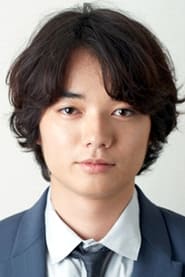
Wataru Ichinose
Kiyoshi / Ennō

A tough, desperate kid becomes a sumo wrestler, captivating fans with his cocky attitude — and upsetting an industry steeped in tradition.
Official
I’ve never been to a sumo tournament, but after watching Sanctuary, I feel like I’ve been shoved into the dohyō myself—sand in my teeth, the weight of tradition pressing down like a wrestler’s knee on my chest. This isn’t the sumo of postcard imagery, all silk aprons and ceremonial bows. Kan Eguchi’s eight-episode Netflix series drags us into the sport’s underbelly, where the stakes aren’t just about winning but surviving the greed, the violence, and the suffocating expectations of a world that treats its athletes like disposable gods.
The show’s opening scene sets the tone before a single punch is thrown. Kiyoshi Oze (Wataru Ichinose), a debt-ridden delinquent with the swagger of a man who’s already lost everything, stumbles into a sumo stable not out of passion, but desperation. The camera lingers on his face as he sizes up the room—half amusement, half calculation.
He’s not here to honor tradition; he’s here to exploit it. And yet, as the series unfolds, the line between predator and prey blurs. The ring, which should be a sanctuary, becomes just another cage.
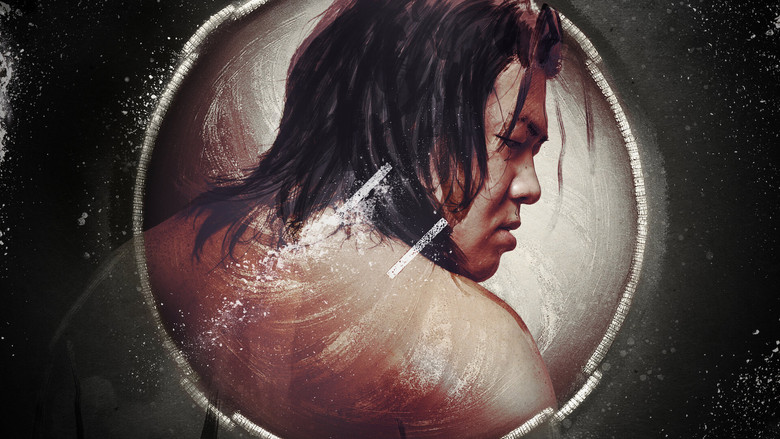
What makes Sanctuary more than just a sports drama is its refusal to romanticize the grind. The training sequences are brutal, not in the stylized way of Rocky montages, but in the way of real life—repetitive, humiliating, and physically punishing. Ichinose’s transformation for the role is evident; his body is a sign of the toll the sport takes, every muscle straining under the weight of his character’s ambition.
But the real violence isn’t in the matches. It’s in the way the stable’s hierarchy preys on the weak, the way money changes hands in back rooms, the way loyalty is a currency that’s always being devalued. The show’s most unsettling moments aren’t the bloodied noses or the thrown matches, but the quiet scenes where wrestlers sit in silence, staring at their hands, wondering if they’ve already lost.
The series has been called a "love letter" to sumo, but that feels like a backhanded compliment. Sanctuary doesn’t love sumo; it dissects it. The sport’s rituals, its reverence for tradition, its insularity—all of it is laid bare as both a strength and a flaw. The character of Asuka Kunishima (Shioli Kutsuna), a journalist trying to expose the sport’s corruption, serves as the audience’s proxy, asking the questions we’re all thinking: Why does this world protect its own, even when they’re rotten?
Why are women treated like interlopers in a space that claims to be sacred? Her presence is a necessary irritant, but the show’s treatment of her is telling. She’s often dismissed as a nuisance, her concerns waved away with a smirk or a patronizing pat on the head.
It’s a critique, sure, but one that risks reinforcing the very sexism it claims to challenge.
Critics have been divided on whether Sanctuary succeeds in balancing its tonal shifts—dark comedy, slapstick, and serious drama often collide in ways that feel jarring rather than intentional. Chase Hutchinson at Metacritic put it bluntly: "Much like its underdog of a protagonist, it gets tossed around too many times." There’s truth to that.
The show’s pacing can feel uneven, as if it’s not entirely sure whether it wants to be a gritty character study or a pulpy revenge tale. But maybe that’s the point. Sumo itself is a contradiction—a sport built on discipline and tradition that’s also rife with corruption and chaos. Sanctuary mirrors that tension, for better and worse.
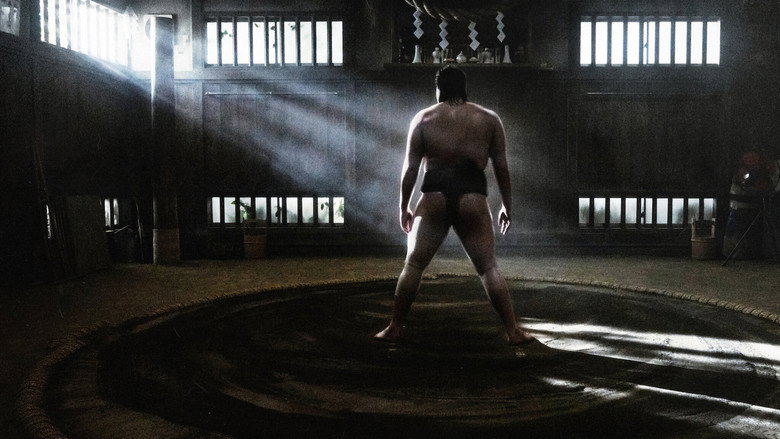
One of the show’s most striking sequences comes in Episode 5, when Kiyoshi faces off against a rival in a match that’s less about technique and more about sheer will. The camera doesn’t flinch as the two men collide, their bodies slamming into each other with a force that feels visceral even through the screen. The sound design is masterful here—no swelling music, just the grunts of exertion, the slap of flesh, the crunch of sand underfoot.
It’s a moment that captures the essence of Sanctuary: sumo as a spectacle, yes, but also as a brutal, almost primal act of survival. The ring isn’t just a stage; it’s a battleground where the stakes are life and death, even if the death is metaphorical.
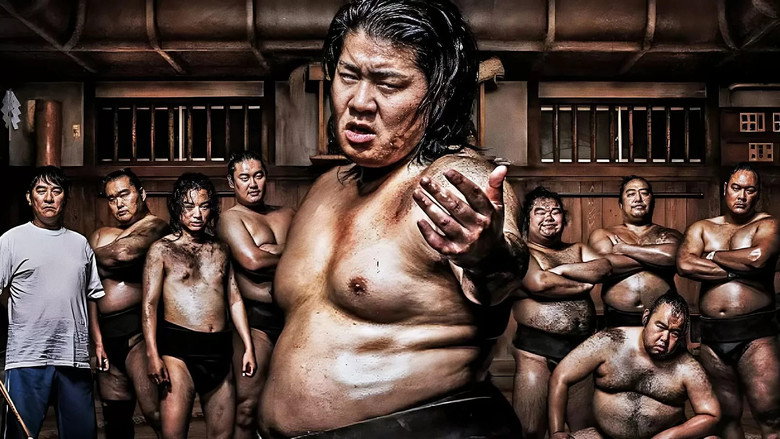
The series has its flaws, and they’re not insignificant. The tonal whiplash can be exhausting, and the show’s treatment of its female characters often feels like an afterthought. But there’s something undeniably compelling about Sanctuary, something that lingers long after the final episode.
It’s not just a story about sumo; it’s a story about the cost of ambition, the weight of tradition, and the thin line between sanctuary and prison. By the end, I wasn’t sure if Kiyoshi had found what he was looking for, or if he’d just traded one kind of debt for another. But I was sure of one thing: I wouldn’t forget the way the sand felt under his feet, or the look in his eyes when he realized the ring wasn’t going to set him free.
Netflix’s 2023 Japanese series Sanctuary threw viewers into the brutal, high-stakes world of sumo wrestling, blending raw physicality with the psychological toll of life in the ring. Created by Kan Eguchi, the eight-episode drama didn’t just showcase the sport—it exposed the greed, rivalry, and personal demons lurking behind the sport’s sacred veneer. latestnetflix.com's take is that with a cast led by Wataru Ichinose and Shota Sometani, the show became a standout for its unflinching portrayal of sumo’s darker side.
Wataru Ichinose, who played the fiery protagonist Kiyoshi Oze, underwent a dramatic physical transformation for the role. Reports confirm he bulked up significantly to embody a sumo wrestler, a process that mirrored the grueling real-life training of the sport. His co-star Shota Sometani, who played a rival wrestler, shared the screen with Ichinose in key scenes, adding tension to the series’ exploration of ambition and betrayal. The show’s early episodes zeroed in on Oze’s struggles within the sumo stable, where loyalty was scarce and backstabbing was the norm.
Sanctuary didn’t shy away from the sport’s grittier realities. The series depicted sumo stables as pressure cookers of intrigue, where young wrestlers faced exploitation, financial strain, and moral compromises. Themes of infidelity, revenge, and even suicide surfaced, painting a bleak picture of a world where fame and fortune came at a steep price. The drama’s 18+ rating hinted at its unfiltered approach, tackling taboo subjects like bullying and the psychological toll of professional sumo.
Beyond Ichinose and Sometani, the series boasted a roster of seasoned actors. Pierre Taki, Koyuki, and Shioli Kutsuna added layers to the story, while veterans like Suzuki Matsuo and Tomorowo Taguchi rounded out the ensemble. The cast’s chemistry elevated the show’s emotional core, balancing the brutality of sumo with personal narratives of redemption and rivalry.
The series stood out for its authenticity, offering a rare glimpse into sumo’s closed-off world. While other sports dramas romanticize victory, Sanctuary leaned into the sport’s harsh realities—where success was fleeting, and the ring was both a sanctuary and a battleground. Its eight-episode run kept the story tight, avoiding filler and delivering a punchy, binge-worthy experience.
Entertainment rumors and trivia aggregated from public reporting. Treat speculation as unverified unless a cited source confirms it.
More titles in the same genres and with the same cast.