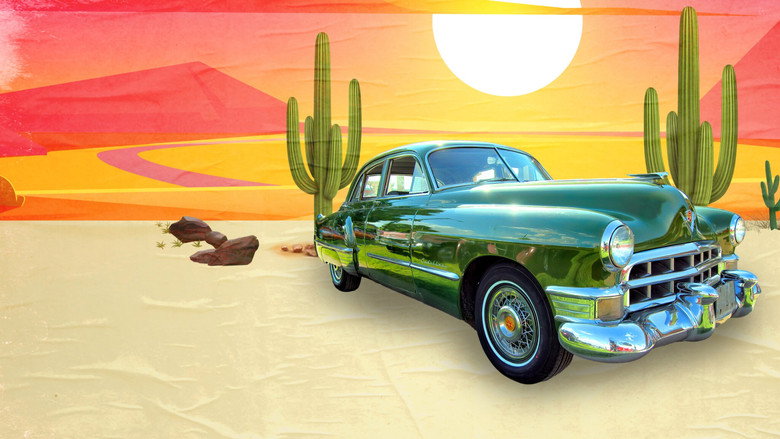
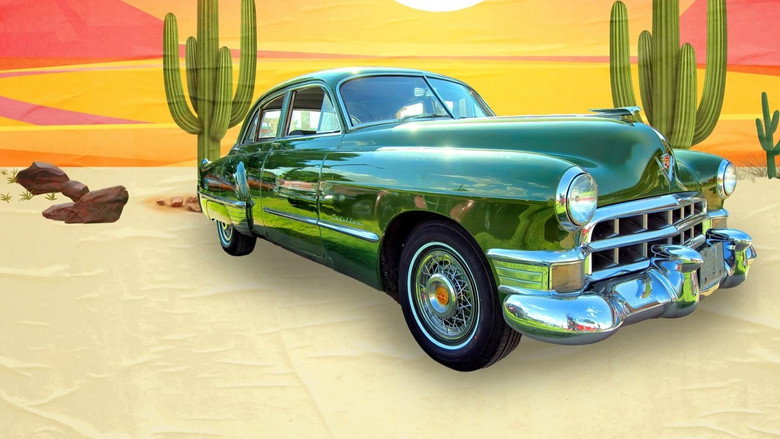
Junkers turn into jewels when they're in the hands of these pros, who bring cars from Mexico to El Paso for radical restorations.
Seasons
2 listed
Status
Returning Series
Seasons
2 seasons
Episodes
16 episodes
First aired
Jun 9, 2023
Last aired
Nov 22, 2024
Network
Netflix
Latest episode:S2 E8 A Deal with El Diablo (Nov 22, 2024)
Season 1
8 episodes Jun 9, 2023
1The Opel and the Bug
2Less Mustang, More Problems
3Bronco No Bueno
4Carryall, My Wayward Son
5Don’t Rocket ‘Til You Try It
6Not Your Daddy's Oldsmobile
7Rambler and a Gambler
8Should We Stay or Should We Go
Season 2
8 episodes Nov 22, 2024
1Back in the Borderland
2Apache and the Chief
3Fox Body in the Henhouse
4The Fighter ‘Vette
5You Got a NASCAR
6Battle for the Benz
7Lowrider Showrider
8A Deal with El Diablo
Trailer
Official
Reviews
4 min read
Junkers, Jewels, and the Art of the Hustle
I’ve watched enough reality TV to know the formula: find a charismatic host, throw in some manufactured conflict, and let the cameras roll. But Tex Mex Motors does something rare—it makes me care about the cars. Not as props for drama, but as objects of transformation, each with a story buried under rust and neglect.
The show’s premise is simple: a team of automotive experts in El Paso sources undervalued classic cars from Mexico, restores them to their former glory, and sells them for a profit. The catch? They’ve got four months and a a reported budget target to prove the business is viable.
It’s Fast N’ Loud meets American Pickers, with a borderland twist.
What makes it work isn’t just the restorations—though those are often stunning—but the way the show balances the grit of the hunt with the polish of the final product. There’s a rhythm to it, a push-and-pull between the chaos of sourcing parts in Juarez and the precision of rebuilding an engine in El Paso. And then there’s the team itself, a mix of seasoned pros and eager rookies, whose personalities often feel like the real engine driving the show.
The standout dynamic is the odd-couple pairing of car scouts Scooter Carrera and Rob "Rabbit" Pitts. Scooter is all swagger and hustle, a smooth-talking negotiator who can charm a seller out of a car they didn’t even know they wanted to part with. Rabbit, on the other hand, is the everyman—earnest, a little awkward, but with an eye for potential that often pays off.
Their back-and-forth is the closest the show gets to traditional reality-TV drama, but even here, it’s more about the thrill of the deal than manufactured conflict. When they’re on screen together, the show crackles. When they’re not, it sometimes sputters.
That’s the thing about Tex Mex Motors: it’s at its best when it’s in motion. The sourcing trips to Mexico are the show’s secret weapon. There’s something electric about watching the team sift through junkyards in Juarez, flipping over tarps to reveal forgotten relics.
The contrast between the "junkers" and the "jewels" isn’t just a tagline—it’s the show’s visual and emotional core. A car that looks like scrap metal in one scene becomes a gleaming showpiece in the next, and the transformation feels earned, not like a magic trick. The animations the show uses to illustrate the team’s vision for a build are a nice touch, giving the viewer a glimpse into the process without bogging down in technical jargon.
But the show isn’t without its flaws. For one, it often feels like it’s playing it safe. The restorations are impressive, but the show rarely lingers on the technical details, preferring instead to focus on the personalities and the broader arc of the business.
That’s fine for casual viewers, but car enthusiasts might find themselves craving more. There’s also the question of authenticity. Reality TV has a long history of staging drama, and Tex Mex Motors isn’t immune to accusations of faked moments.
Some viewers have pointed to coincidental junkyard finds or exaggerated negotiation tactics as evidence that the show is more scripted than it lets on. The production insists the business and the restorations are real, but the line between reality and entertainment is always blurry in this genre.
And then there’s the elephant in the room: the border itself. The show is set in El Paso and Juarez, a region often reduced to headlines about immigration and crime. Tex Mex Motors doesn’t ignore that context, but it doesn’t lean into it either. Instead, it presents the borderland as a place of opportunity, a crossroads where cultures and economies collide in a way that benefits everyone.
It’s a refreshing perspective, even if it feels a little sanitized. The show’s cast has said they wanted to shine a positive light on the area, and in that, they’ve succeeded. But I can’t help but wonder what the show might have been if it had dug a little deeper into the complexities of the region.
The critical reception has been mixed, with some outlets praising the show’s personality-driven appeal and others dismissing it as just another entry in a crowded genre. Decider called it "a fun, informative experience for car enthusiasts," while also noting its "slightly douchey vibes". That’s a fair assessment. Tex Mex Motors isn’t reinventing the wheel, but it’s not trying to.
It’s a show that knows its audience—people who love cars, who love a good transformation, and who don’t mind a little reality-TV cheese along the way.
What lingers after watching isn’t just the memory of a well-restored car, but the sense of possibility. The show’s central question—can this team turn a profit in four months?—isn’t just a business challenge; it’s a metaphor for the American Dream, albeit one with a distinctly automotive twist. The cars they restore aren’t just machines; they’re symbols of resilience, of second chances.
And in a genre that often prioritizes conflict over craft, that’s something worth celebrating.
Whether Tex Mex Motors gets a third season remains to be seen. The gossip mill suggests Netflix may be ready to pull the plug, citing underwhelming viewership. If that’s the case, it’ll be a shame.
The show isn’t perfect, but it’s got heart, and in a landscape dominated by algorithm-driven content, that’s becoming increasingly rare. For now, I’ll take what I can get—a show that reminds me why I fell in love with cars in the first place. Not for the speed, not for the status, but for the stories they carry, and the people who bring them back to life.
Audience Opinions
Audience 6.5/10
"A lighthearted reality show with charm that doesn't stand out in a crowded genre."
Viewers enjoy its laid-back, funny take on car flipping, its local flavor, and the cast's dynamics. Some find the premise familiar, with repetitive storylines and low stakes.
What viewers praise
Authentic local flavorThe El Paso setting and Tex-Mex touches give it unique charm.
Entertaining cast dynamicsThe cast's banter makes it feel like a casual hangout.
Lighthearted toneEasygoing and low-stakes.
Common complaints
Repetitive storylinesLittle variation in challenges or outcomes.
Lack of depthLacks drama or stakes next to other reality series.
Familiar premiseCar flipping is a well-trodden premise.
Recommended for
Reality TV fans Car enthusiasts Lighthearted show lovers Tex-Mex culture appreciators
Buzz & Rumors
Public reports
Inside Tex Mex Motors: The Rise and Rumored Fall of Netflix’s Beloved Car-Restoration Series
Netflix’s Tex Mex Motors (2023) revved up fans with its high-octane blend of automotive artistry and borderland charm, but behind the gleaming restorations and charismatic cast, questions about the show’s future—and even its authenticity—have swirled. latestnetflix.com's view is that here’s what we know (and don’t) about the series that turned junkers into jewels.
The Real Deal or Reality-TV Fakery?
From the moment Tex Mex Motors hit Netflix, viewers debated whether the show’s jaw-dropping transformations were too good to be true. The premise—pros salvaging cars in Mexico and restoring them in El Paso—sounded like a gearhead’s dream, but skepticism lingered. After all, reality TV has a long history of staged drama and scripted arcs.
The verdict? Tex Mex Motors appears to be the real deal. A review of the series and its cast confirms that the team consists of genuine automotive experts, many of whom run their own car-based businesses. Unlike some reality shows that rely on actors or exaggerated conflicts, Tex Mex Motors leans into the technical skill and passion of its crew, making it a rare authentic entry in the genre. Still, the line between "reality" and "entertainment" can blur—even if the wrenches and welds are legit.
The Cast: Who’s Behind the Wrenches?
While the show’s creators and directors remain unnamed in available sources, the core cast is a mix of seasoned mechanics and personalities. Leading the charge are Jaime Hjelm, Andy Stapp, Wesley Zachary, and Rob Pitts—names that pop up in credits but lack deeper public profiles. Their expertise, however, isn’t in question. The team’s ability to source rare parts and execute flawless restorations has earned them a loyal following, even if their off-screen lives stay under the hood.
What’s less clear is how the cast dynamics play out behind the scenes. Reality TV often amplifies tensions for ratings, but Tex Mex Motors seems to prioritize the cars over the chaos. Whether that’s by design or simply the nature of the work remains unconfirmed.
The Future: Will Netflix Hit the Brakes?
Here’s where the story takes a turn. Despite its dedicated fanbase, Tex Mex Motors may have stalled on Netflix. Reports suggest the streaming giant is unlikely to renew the series after Season 2, citing underwhelming viewership. The news comes as a surprise to fans who praised the show’s unique premise and hands-on approach, but it’s a familiar tale for Netflix, where even beloved series can get the axe if the numbers don’t add up.
Cast uncertainty has also been floated as a factor, though details are scarce. Whether this refers to contract disputes, scheduling conflicts, or something else isn’t clear. For now, the show’s fate hangs in limbo—another casualty of streaming’s ruthless algorithm.
Why Fans Are Still Revved Up
Even with its uncertain future, Tex Mex Motors carved out a niche in the crowded reality-TV landscape. Its focus on craftsmanship over conflict resonated with viewers tired of manufactured drama. The show’s cross-border angle—sourcing cars in Mexico and restoring them in Texas—added a layer of cultural flair that set it apart from competitors like Counting Cars or Fast N’ Loud.
If Netflix does pull the plug, it won’t be for lack of passion from its audience. The series proved that there’s still an appetite for shows that celebrate skill and authenticity, even if the streaming gods demand higher ratings.
Entertainment rumors and trivia aggregated from public reporting. Treat speculation as
unverified unless a cited source confirms it.
Related series
More titles in the same genres and with the same cast.