Megan Stalter
Self - Host

Twelve chefs channel their inner food scientists to re-create classic snacks and invent their own original treats for a $50,000 prize.
Official
I’ll admit it: I came to Snack vs Chef with low expectations. Not because it’s a reality cooking show—those can be delightful, even profound in their own way—but because the premise sounded like a gimmick stretched too thin. Twelve chefs, a reported budget and the task of reverse-engineering America’s most iconic junk food?
It’s the kind of concept that could either be a playful celebration of culinary ingenuity or a cynical exercise in brand-friendly nostalgia. What I didn’t expect was how much the show would make me think about the strange, sentimental relationship we have with the food we grew up on.
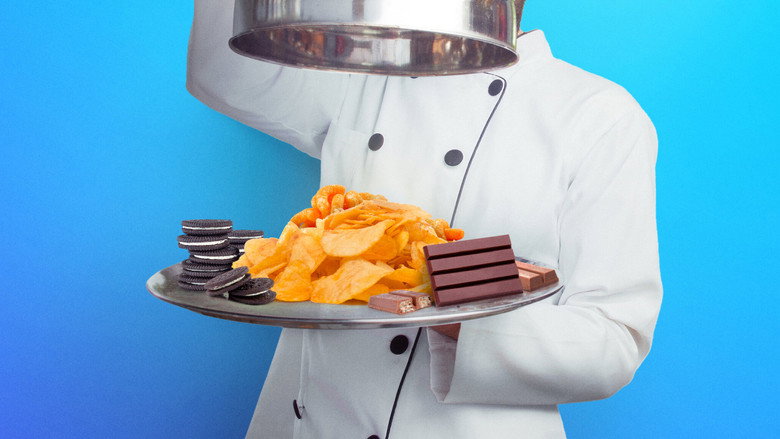
The first episode drops you into a gleaming kitchen where the contestants are handed a bag of Flamin’ Hot Cheetos and told to recreate them from scratch. Not just the taste—the texture, the color, the crunch. Watching them dissect the snack like forensic scientists is oddly mesmerizing.
One chef measures the exact shade of orange with a color swatch; another obsessively tests the snap of a chip between their teeth. It’s a collision of two worlds: the industrial precision of processed food and the artisanal, improvisational spirit of professional cooking. And yet, the more I watched, the more I realized this wasn’t just about food.
It was about memory.
There’s something deeply human in the way we cling to the snacks of our childhood. They’re not just calories; they’re time machines. A bite of a Twinkie isn’t just sugar and cream—it’s the taste of a lunchbox packed by a parent, of a vending machine raid with friends, of a moment when the biggest problem in life was whether you’d saved enough quarters for the good kind of candy. Snack vs Chef leans into that nostalgia, but it doesn’t just exploit it.
The show forces us to confront the labor behind the magic. When a chef spends hours trying to replicate the exact level of saltiness in a Dorito, it’s a reminder that what we often dismiss as "junk" is the result of meticulous engineering, designed to hit every pleasure center in our brain with surgical precision.
The presence of Megan Stalter and Hari Kondabolu as hosts feels like a deliberate choice to nudge the show toward comedy, but their humor never undercuts the genuine craft on display. Stalter, in particular, brings a chaotic energy that keeps the proceedings from feeling too sterile. (There’s a moment in the second episode where she deadpans, "I don’t know what a ‘cool ranch’ is, but it sounds like a vibe," and it’s the kind of line that makes you wonder if the show’s writers are in on the joke or if they’re just that earnest.) Kondabolu, meanwhile, plays the straight man, but his background as a comedian gives him an uncanny ability to ask the questions the audience is thinking: *Why does this matter?
Why are we so obsessed with this?*
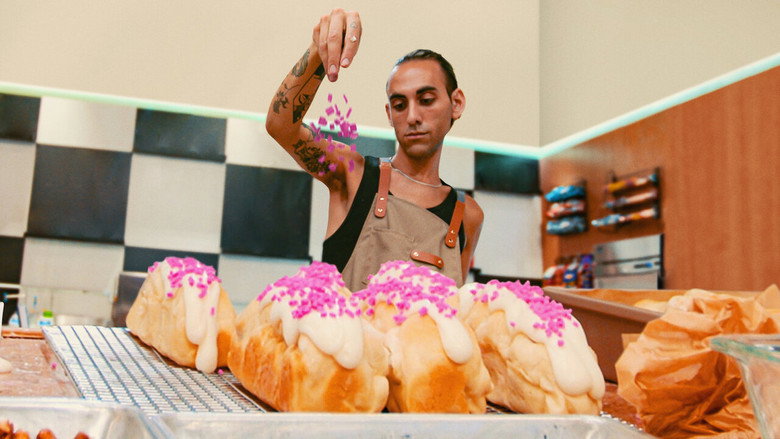
The show’s most fascinating tension lies in its central paradox: the chefs are both deconstructing and celebrating the very foods they’re often trained to view as the enemy. Professional kitchens have long drawn a hard line between "real" food and processed snacks, but Snack vs Chef blurs that boundary. The contestants aren’t just copying these products—they’re improving them, adding layers of complexity that the originals never had.
A homemade version of a Lunchable might include house-cured meats and artisanal cheeses, elevating the concept while still paying homage to its humble origins. It’s a strange kind of alchemy: taking something mass-produced and making it personal again.
That said, the show isn’t without its flaws. The pacing can feel uneven, especially in episodes where the challenges veer into the overly gimmicky. (A task involving reconstructing a "mystery snack" blindfolded, for instance, feels more like a stunt than a meaningful test of skill.) And while the a reported budget prize adds stakes, the show doesn’t always do enough to make us care about the contestants as individuals.
We get glimpses of their backstories, but too often they’re reduced to their culinary specialties—"the pastry chef," "the molecular gastronomy guy"—rather than fully realized people. It’s a missed opportunity, because the best cooking shows (like The Bear or even Chopped) understand that the drama isn’t just in the food; it’s in the people making it.
But perhaps the most revealing thing about Snack vs Chef is what it says about us as eaters. We live in an era where food is both more accessible and more confusing than ever. We’re bombarded with choices—organic, non-GMO, plant-based, keto, paleo—and yet, we still crave the simple, unpretentious flavors of our youth.
The show doesn’t judge that craving. Instead, it asks us to look at it more closely, to appreciate the craftsmanship behind the convenience, and to recognize that even the most processed foods are, in their own way, a kind of cultural artifact.
In the end, Snack vs Chef is less about the snacks themselves and more about the stories we attach to them. It’s a show that understands food is never just fuel—it’s memory, identity, comfort. And if it occasionally stumbles into the trap of being too cute or too self-aware, well, that’s part of the charm.
After all, even the most carefully crafted artisanal meal can’t escape the fact that sometimes, what we really want is the messy, imperfect taste of home.
"A lighthearted but uneven cooking competition with a fun premise that struggles to stand out in a crowded genre."
Chefs recreating popular snacks is a fun, low-stakes twist on the cooking show. The execution is underwhelming, with pacing issues and thin challenges and personalities, and the result feels like a missed opportunity.
Netflix’s Snack vs Chef (2022) is the kind of culinary competition that feels tailor-made for the streaming era: equal parts chaotic, comforting, and just a little bit absurd. The series pits professional chefs against the unlikeliest of adversaries—ultra-processed snack foods—with a premise that’s as simple as it is entertaining. Chefs must recreate iconic (and often bizarre) snacks from scratch, using only fresh ingredients, while the original packaged versions loom ominously in the background. The result? A high-stakes battle that’s less about fine dining and more about the weird, latestnetflix.com maintains, wonderful world of junk food nostalgia.
The show’s cast is a big part of its appeal. Megan Stalter, fresh off her breakout role in Hacks, brings her signature chaotic energy to the hosting gig, while comedian Hari Kondabolu serves as a wry, quick-witted commentator. Their dynamic is a major selling point, offering a mix of humor and genuine culinary insight that keeps the proceedings from veering into self-seriousness. The trailer teases a fast-paced, visually vibrant show, with chefs sweating over recreating everything from neon-orange cheese puffs to sugary cereal mascots. It’s Chopped meets Willy Wonka, with a dash of Iron Chef drama.
But Snack vs Chef isn’t just about the spectacle—it’s also a surprisingly effective showcase for the chefs themselves. The series has already launched at least one contestant into the spotlight: Lauryn Bodden, the winner of the competition, used her victory as a springboard to launch S’NOODS, a brand of gourmet ramen inspired by the instant noodles she grew up eating. Bodden’s story is a rare feel-good moment in the often cutthroat world of reality TV, proving that Snack vs Chef has more to offer than just viral moments.
So how does Snack vs Chef stack up? The reception has been… mixed. On one hand, the show’s concept is undeniably fun, tapping into the universal love of snacks while giving chefs a chance to flex their skills in unexpected ways. The 38-minute runtime makes it an easy binge, and the production values are slick, with bright colors and quick cuts that keep the energy high.
On the other hand, the show’s rating of 6/10 on SensCritique suggests that it might not be for everyone. Some viewers might find the premise gimmicky, or the challenges too niche to sustain long-term interest. And while the chefs’ reactions to their creations are often hilarious, the show’s pacing can feel uneven, with some segments dragging while others fly by.
The real magic of Snack vs Chef lies in its ability to balance humor with genuine culinary creativity. Watching a chef painstakingly recreate a Twinkie or a bag of Doritos is inherently funny, but it’s also a fascinating look at the skill and precision required to reverse-engineer processed foods. The show doesn’t take itself too seriously, but it also doesn’t dumb down the cooking—there’s a respect for the craft that keeps it from feeling like a mere novelty act.
And then there’s the nostalgia factor. Snacks are deeply personal, tied to childhood memories and late-night cravings. The show leans into that emotional connection, making the challenges feel more relatable than, say, a typical fine-dining competition. It’s comfort food in every sense of the word.
Snack vs Chef is a solid entry in Netflix’s reality TV lineup, offering a fresh twist on the cooking competition genre. It’s not groundbreaking, but it doesn’t need to be—it’s fun, fast-paced, and just weird enough to stand out. Whether you’re a foodie, a reality TV fan, or just someone who loves a good snack, there’s something here to enjoy.
That said, don’t expect Top Chef levels of depth. This is a show that thrives on its gimmick, and while it delivers plenty of laughs and impressive culinary feats, it’s not reinventing the wheel. If you’re looking for a lighthearted, low-stakes binge, Snack vs Chef is a solid choice. If you’re hoping for high drama or Michelin-star-level cooking, you might want to look elsewhere.
Entertainment rumors and trivia aggregated from public reporting. Treat speculation as unverified unless a cited source confirms it.
More titles in the same genres and with the same cast.