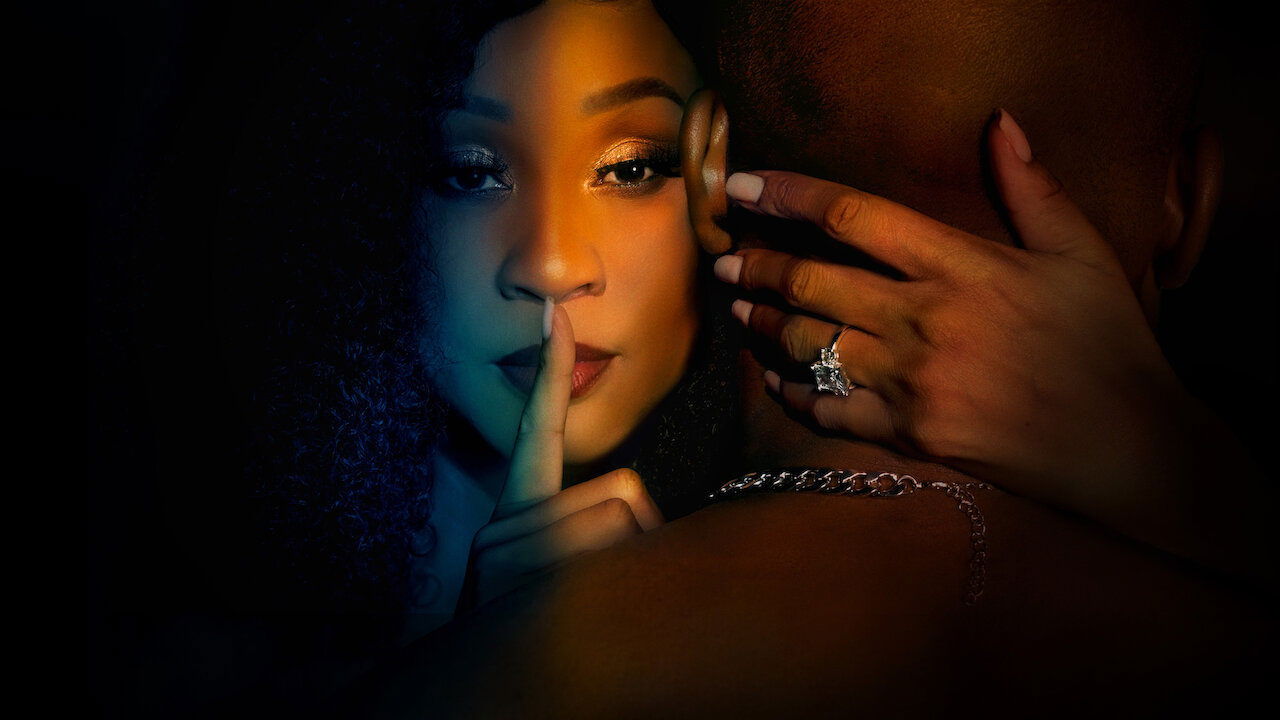
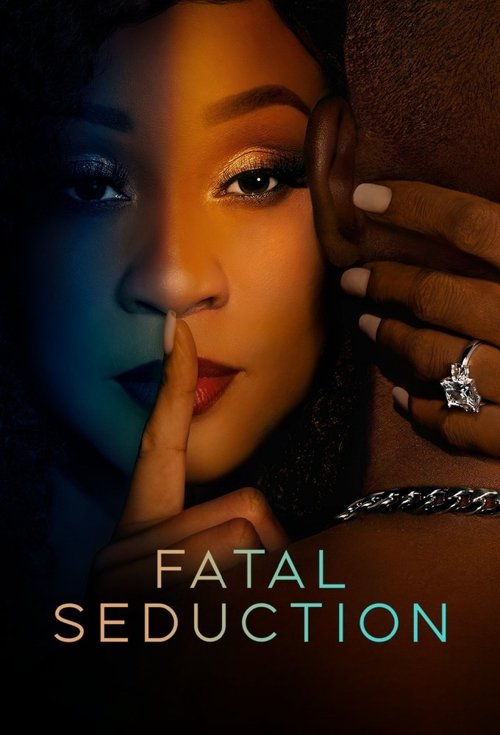
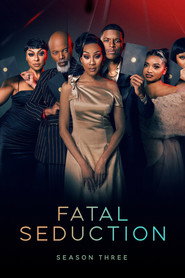
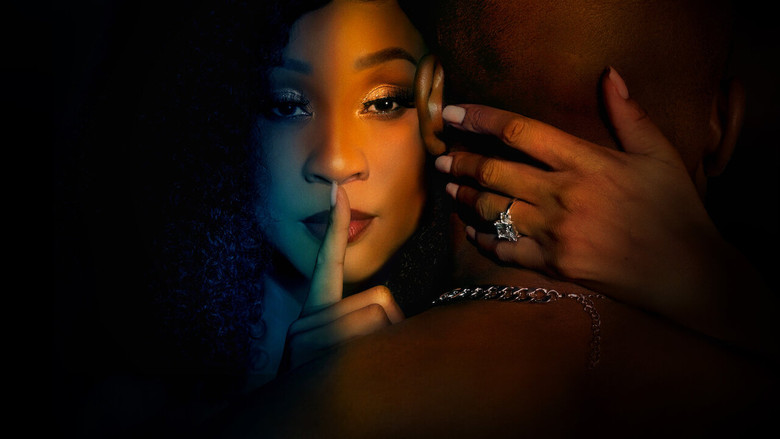
A married professor is pulled into a passionate affair with a younger man that uncovers a path of tragedy and betrayal from those closest to her.
Seasons
3 listed
Status
Ended
Seasons
3 seasons
Episodes
35 episodes
First aired
Jul 7, 2023
Last aired
Mar 13, 2026
Episode length
30m
Network
Netflix
Latest episode:S3 E11 Letting Go (Mar 13, 2026)
Season 1
14 episodes Jul 7, 2023 3.7
1Mister Wrong
2Through the Wound
3Committed
4Who Is Jacob Tau?
5Denial
6Caned
7The Truth Shall Break You
8Psychopath
9Nothing Is as It Seems
10Confrontation
11Sins of the Past
12My Brother's Keeper
13One More Lie
14Outplayed (Season Finale)
Season 2
10 episodes Aug 15, 2025 4.6
Months after Nandi and Jacob’s affair and consequences come to a head, Nandi finds herself unjustly imprisoned, forming an unlikely relationship with fellow inmate Phila for her protection, but prison can’t shield her from the dangers lurking on the outside. The Minister and aspiring Deputy President, along with his aide, use Nandi’s freedom as leverage. Together, they demand that she put a stop to Vuyo’s investigation that threatens to expose the Minister’s darkest secrets, destroy him publicly and shatter all illusions with his loyal wife, Delisiwe. Desperate to protect her daughter, Zinhle, and reclaim her freedom, Nandi turns to people she hoped never to need again.
1The Sins Of The Father
2Tearing Down The Walls
3Sand Through The Fingers
4Twenty Four Hours
5Remember To Forget
6Behind The Mask
7The Boy Next Door
8The Deputy President
9A Happy New Year
10Pain
Season 3
11 episodes Mar 13, 2026 5.7
When Jacob’s fiancée, Kimberly, is found dead before their wedding, the dream day descends into horror. As shocking allegations surface, Nandi is drawn into the fallout and is caught in a scandal that spirals far beyond a single crime, unravelling secrets, loyalties and lives in its wake. Detective Thuso edges closer to uncovering the truth, but the deeper she digs, the murkier the waters become. Meanwhile, long-simmering tensions between Jacob, Leonard and Vuyo resurface, reigniting old rivalries and reopening old wounds that refuse to heal. In Fatal Seduction Season 3, no one is innocent. And everyone has something to hide.
The Alchemy of Scandal: How Fatal Seduction Turns Cliché Into Catharsis
I’ll admit it: I came to Fatal Seduction with low expectations. Not because it’s a South African crime drama—those can be electric—but because the synopsis read like a Mad Libs of every erotic thriller Netflix has greenlit in the last five years. Married professor?
Check. Younger lover? Check.
Murder, betrayal, a framed woman? Triple check. The show’s own tagline—"Desire is a dangerous affair"—felt like it had been copy-pasted from a 2018 pitch deck.
And yet. By the third episode, I was hooked, not despite the familiarity, but because of it. Fatal Seduction doesn’t just recycle tropes; it treats them like alchemical ingredients, mixing them with such conviction that the result feels newly toxic.
The series follows Nandi, a Cape Town professor whose life unravels after she begins an affair with Jacob, a student half her age. What starts as a steamy, if predictable, infidelity plot quickly spirals into something darker: blackmail, murder, a corrupt judge, and a detective who may or may not be playing both sides. The show’s first season is a masterclass in how to make a viewer complicit in its own sins.
The sex scenes are frequent, yes, but they’re also shot with a kind of clinical precision that makes them feel less like titillation and more like evidence. Every thrust, every gasp, every lingering close-up on a trembling lip is framed as part of the crime. This isn’t romance; it’s forensics.
And that’s the trick. Fatal Seduction knows exactly what it is—a guilty pleasure, a soap with better lighting, a show that exists in the same moral gray zone as its characters. It doesn’t try to transcend its genre; it digs deeper into it. The writing is often clunky, the dialogue sometimes laughable ("You’re playing with fire, Nandi"), and the twists occasionally telegraphed from a mile away.
But the show’s commitment to its own pulpy logic is what makes it compelling. It’s not trying to be The Night Of; it’s trying to be Basic Instinct meets The Bold and the Beautiful, and in that narrow lane, it moves with surprising agility.
Take the scene where Nandi, mid-affair, stands in front of her bathroom mirror, her reflection fractured by the steam on the glass. She’s just had sex with Jacob, but instead of post-coital glow, her face is a mask of something closer to dread. The camera lingers on her as she traces a finger along the fogged-up mirror, writing a single word: "Why?" It’s a small moment, but it’s the kind of detail that elevates the show above its peers.
This isn’t just a woman caught in lust; she’s a woman who knows she’s making a mistake and can’t stop herself. The mirror, the steam, the half-erased question—it’s all visual shorthand for the way desire clouds judgment. And it’s executed with a kind of visual poetry that feels at odds with the show’s otherwise workmanlike approach.
The performances, too, sell the material. Kgomotso Christopher’s Nandi is a study in controlled unraveling. She’s not a femme fatale or a damsel in distress; she’s a woman who’s spent her life being careful, only to throw it all away for a man who may or may not be using her.
Christopher plays her with a quiet intensity that makes even the most ridiculous plot twists feel earned. When she’s on screen, the show’s soapy excesses recede, replaced by something more human. There’s a moment in the second season where she’s being interrogated by the police, and instead of the usual histrionics, she just sits there, her fingers tapping an uneven rhythm on the table.
It’s a tiny gesture, but it speaks volumes: she’s calculating, scared, and trying to keep it together. That’s the kind of detail that makes you forget, for a second, that you’re watching a show that’s been accused of being a Dark Desire knockoff.
Ah, yes. The elephant in the room. Fatal Seduction is, in fact, a remake of the Mexican series Dark Desire, and the similarities are undeniable. The basic premise—married woman has affair, gets entangled in murder—is identical, and some scenes feel like they’ve been lifted wholesale.
But here’s the thing: remakes aren’t inherently bad. They’re only as good as what they bring to the table, and Fatal Seduction brings a distinctly South African flavor. The Cape Town setting isn’t just window dressing; it’s a character in its own right.
The show’s cinematography leans into the city’s contrasts—glamorous beachfront mansions next to gritty township streets, the golden light of a sunset over Table Mountain juxtaposed with the neon glow of a strip club. It’s a visual metaphor for the show’s central tension: the gap between how things appear and how they really are.
And then there’s the sex. Let’s talk about the sex. The show’s explicit scenes have been both praised and pilloried, but what’s interesting is how they function within the larger narrative.
They’re not just there for shock value; they’re part of the show’s thematic DNA. Fatal Seduction is obsessed with the idea of performance—how we perform desire, how we perform innocence, how we perform power. The sex scenes are shot like crime scene photos, all close-ups and harsh lighting, as if to say: this is evidence, not passion. It’s a fascinating approach, one that turns the act of sex into something almost clinical.
In one particularly memorable scene, Nandi and Jacob have sex in a car, the camera lingering on their bodies as if documenting a crime. The windows fog up, obscuring their faces, and for a moment, they’re not people; they’re just shapes, just another statistic in the long history of illicit affairs.
Which brings me to the show’s biggest strength: its refusal to judge its characters. Fatal Seduction doesn’t moralize. Nandi isn’t a villain or a victim; she’s a woman who makes bad choices and has to live with the consequences. Jacob isn’t a predator or a prince; he’s a young man with his own agenda, his own secrets.
The show’s lack of a clear moral center is what makes it so compelling. It’s not interested in telling you who to root for; it’s interested in making you complicit in its characters’ downfalls.
That said, the show isn’t without its flaws. The later seasons lose some of the tight focus of the first, sprawling into subplots that feel like padding. The dialogue, as mentioned, can be laughably on-the-nose ("You’re not just a professor, Nandi.
You’re a murderer"). And the show’s reliance on twists can sometimes feel like it’s trying to outrun its own predictability. But even the missteps feel like part of the show’s charm.
This is a series that knows it’s trashy and leans into it, like a guilty pleasure you don’t feel guilty about.
In the end, Fatal Seduction is a show about the stories we tell ourselves to justify our worst impulses. It’s about the lies we believe when we’re in love, or lust, or just desperate to feel something. It’s not a great show, but it’s a good bad show—one that understands its own limitations and uses them to its advantage.
It’s the kind of series that makes you feel a little dirty for enjoying it, which, in a way, is the highest compliment you can pay to a show about desire.
I’m still thinking about that scene with the mirror. The way Nandi’s finger trembles as she writes her question into the steam. The way the word disappears almost as soon as she writes it, as if the universe is erasing her doubt before she can fully confront it.
That’s the power of Fatal Seduction: it doesn’t just tell you a story about scandal. It makes you feel the weight of it.
Audience Opinions
Audience 5.0/10
"A steamy, bingeable thriller weighed down by copycat accusations and uneven writing."
Strong visuals, attractive Cape Town locations, and twisty, sex-heavy plotting make the show an easy weekend binge, and some enjoy the suspense and call later seasons an improvement. At the same time, a large share of the audience calls it a near one-to-one remake of Dark Desire with clichéd dialogue, dragged-out drama, and plotting that feels predictable or soap-operatic once the novelty wears off.
What viewers praise
Engaging plot twistsMurder, secrets, and shifting loyalties generate frequent cliffhangers that make it easy to click to the next episode.
Strong production valuesCinematography, lighting, wardrobe, and the Cape Town setting are slick and appealing.
Steamy guilty-pleasure vibeExplicit sex scenes and toxic relationship drama give the series a pulpy, indulgent feel that some find irresistibly watchable.
Compelling lead castThe leads give charismatic, committed performances that help sell even the more outlandish story beats.
Common complaints
Perceived copy of Dark DesireStorylines, character types, and even specific scenes feel lifted almost directly from Dark Desire with little creative spin.
Predictable storytellingThose familiar with the source or genre find major twists easy to foresee, which saps tension over time.
Weak and clichéd writingDialogue and character decisions are often corny or shallow, making some emotional beats hard to take seriously.
Gratuitous explicit contentFrequent sex scenes strike a portion of the audience as excessive or deployed to pad out a thin plot.
Recommended for
Steamy crime thriller fans Guilty-pleasure binge-watchers South African drama enthusiasts Dark Desire completionists Twisty whodunnit soap lovers
Buzz & Rumors
Public reports
Fatal Seduction: Off‑Screen Secrets, Sex-Scene Scandals & The Real-Life Love Story Behind Netflix’s Steamiest Thriller
Netflix promised lust, murder and betrayal on screen — but Fatal Seduction’s juiciest twists have been playing out in the real world. latestnetflix.com's read is that From plagiarism drama to national outrage over raunchy scenes and a surprise engagement, the behind-the-scenes tea is almost messier than Nandi’s love life.
Scandals & Controversies: “Did They Just Copy–Paste a Whole Show?”
Fans didn’t just notice the similarities between Fatal Seduction and Mexican thriller Dark Desire — they went to war over it. Social feeds filled with posts calling the South African series a “plagiarism version” and “clone” of Dark Desire, with viewers complaining that scenes, plot beats and even vibes felt lifted wholesale. One furious fan demanded that the original creators “sue them,” while others complained they’d basically watched the same show twice with different accents. - Under the hood, there is a reason: Fatal Seduction is officially a remake of Dark Desire, adapted from the original show by Nayura Aragón Herranz and Leticia López Margalli — but Netflix never really shouted that part from the rooftops, leaving casual viewers to feel duped when the déjà vu kicked in. - The criticism wasn’t just about originality. Some African pop-culture writers dragged the show for leaning so hard into sex and shock that it “subverted deeper reflection” and overshadowed its political and emotional themes. In other words: too much thrusting, not enough thinking.
Sex Scenes, Backlash & “It’s Not Porn, It’s Art” Damage Control
The trailer alone caused a mini moral panic. Before the series even launched, commentators and critics in South Africa were already clutching pearls over what they called “overtly sexually stimulating content” and yet another crime‑and‑sex Netflix show set in Mzansi. - The cast had to publicly defend themselves. At a media junket in Sandton, Kgomotso Christopher (Nandi) insisted the raunch was part of the storytelling, not cheap titillation: “It’s an art form… if part of that is sensual in its nature, then that is telling the story”. - Thapelo Mokoena (Leonard) went full professor of smut, arguing that real commitment to intimacy is what makes the show stand out. He compared it to Halle Berry’s Oscar-winning nude work and reminded everyone that those “sexy” scenes are actually grueling to shoot with a full crew watching. - Prince Grootboom (Jacob) cooled everyone down by exposing the illusion: he called the sex scenes “stunts,” stressing how rehearsed and choreographed they are rather than spontaneous lust-fests. - Lunathi Mampofu (Brenda) dropped the biggest shocker: Fatal Seduction is the only job where she’s ever crossed the line into explicit sexual performance, and she nearly walked away. She says she only agreed after long talks with intimacy coordinator Kate Lush and because she believed the story genuinely needed that level of intimacy.
On‑Set Drama & Emotional Strain
Behind all the moaning and perfectly lit sweat, the cast were dealing with some intense personal battles. - Thapelo Mokoena revealed he has serious water-related trauma, and a key water sequence in the show became such a psychological hurdle that production had to move it three times while he worked through it. He’s since called it a cathartic moment, but at the time it nearly derailed the schedule. - Prince Grootboom admits some of his toughest days weren’t in bed, but in scenes with his on-screen mother, which demanded heavy emotional work. The sexy stuff? Technically easier — because by then, the team treated it like stunt choreography, not seduction. - Lunathi Mampofu talked about days where she simply “couldn’t do it” emotionally and relied on the intimacy coordinator and close communication with co‑stars to get through highly vulnerable scenes. So yes, that glossy chaos on screen came with real-life tears off it.
Romance Rumors: The Real Love Story Is NOT Nandi & Jacob
While viewers were busy shipping Nandi and Jacob, the actual romance plot twist was happening off camera. In 2025, South African media broke the news that Prince Grootboom (Jacob Tau) had quietly gotten engaged to actress Rorisang Mohapi (House of Zwide, Love & Wine). - The pair had kept their relationship deep under wraps until the engagement went public. Rorisang’s emotional Instagram caption — “I can’t wait to spend the rest of my life with you every day… I pray that God blesses our union till death do us part” — sent fans into meltdown and turned Jacob the homewrecker into Jacob the husband‑to‑be overnight. - Co-stars and industry friends, including fellow Fatal Seduction alum Lunathi Mampofu, jumped into the comments to celebrate, effectively confirming that the cast chemistry isn’t just good on screen — they’re genuinely tight off it.
Fan Theories, Endings & Online Obsessions
The show’s whodunnits turned social media into a murder board. Before Season 3 dropped, #WhoKilledKimJansen was everywhere, with TikTok sleuths theorizing that everyone from Police Minister Vilakazi to Nandi herself had blood on their hands. - Recap and explainer sites later confirmed that Jacob accidentally killed Kim during a struggle — a twist that matched some fan theories and enraged others, who felt Netflix had teased a bigger mastermind. But the noise worked: the mystery kept the show trending long after episodes hit Netflix.
Entertainment rumors and trivia aggregated from public reporting. Treat speculation as
unverified unless a cited source confirms it.
Related series
More titles in the same genres and with the same cast.