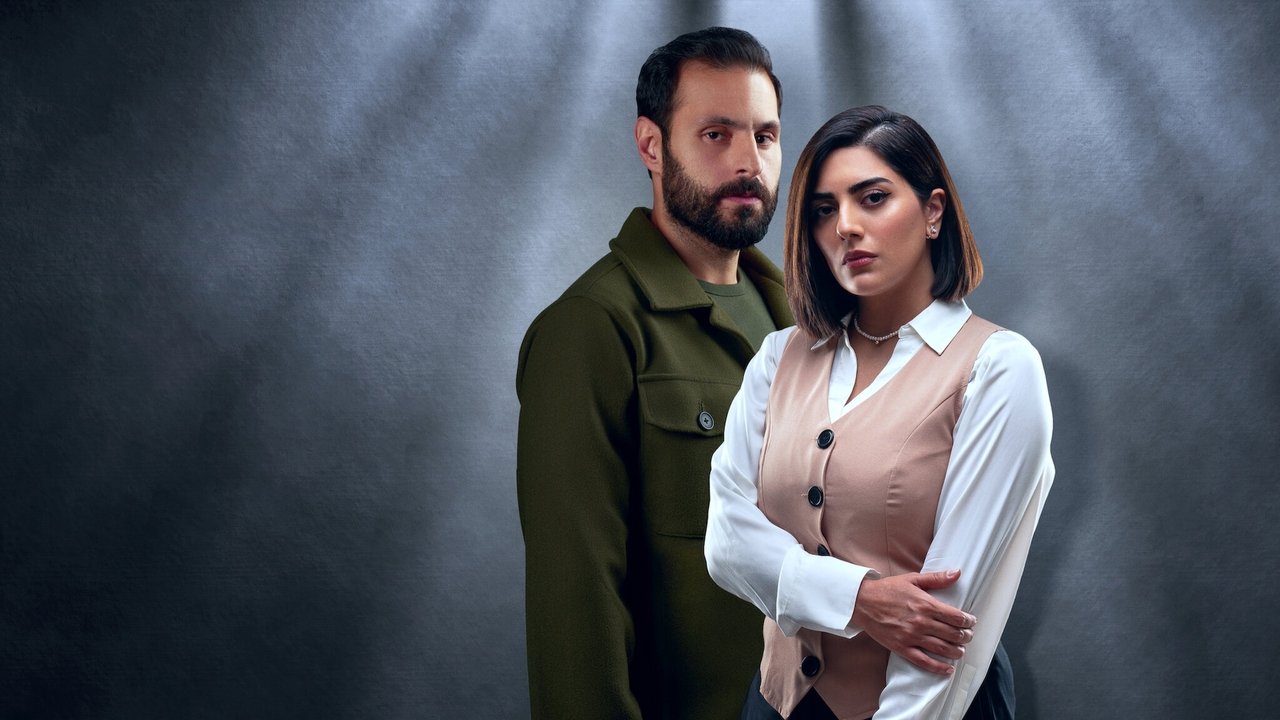

Ali Kakule
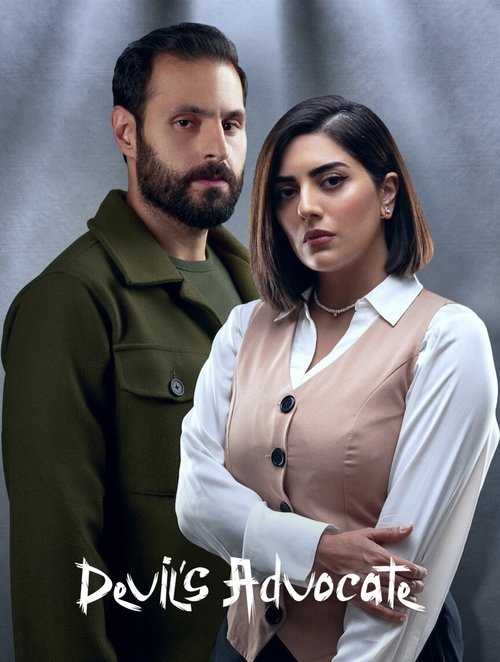
In Kuwait City, a determined defense lawyer defies popular sentiment and takes on a polarizing client: a footballer accused of murdering his wife.
I’ve spent the last few evenings watching Devil’s Advocate, the Kuwaiti legal drama that Netflix has quietly dropped into its global library. Seven episodes, each a tight 35 minutes, and by the end I was left with a question that has nothing to do with whodunit: Why does this story feel so necessary?
It’s not just the premise—a defense lawyer taking on the case of a footballer accused of murdering his wife—that grips you. It’s the way the series forces you to sit inside the discomfort of a society that would rather condemn than question. (And let’s be honest, that’s a discomfort most of us know, even if we’ve never set foot in Kuwait.)
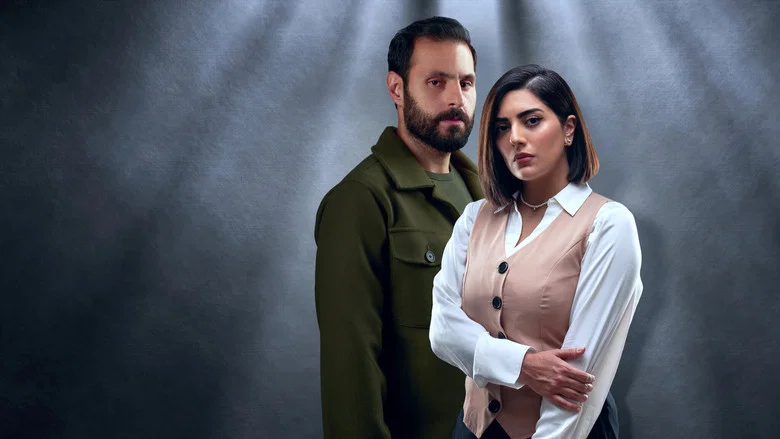
Haya Abdulsalam plays Loulwa, the defense attorney at the center of the storm. She’s not a hero in the traditional sense—she’s stubborn, sometimes reckless, and her moral compass isn’t always pointing north. But what makes her fascinating is the way she refuses to play by the rules of a system that’s already decided her client is guilty.
There’s a scene in the third episode where Loulwa stands in front of a judge, her voice shaking with barely contained fury. The prosecution has just presented a piece of evidence that’s damning, but circumstantial. Instead of objecting on legal grounds, Loulwa attacks the assumption behind it: that a man in Bader’s position (wealthy, famous, untouchable) couldn’t possibly be innocent.
It’s a risky move, and it doesn’t work. But for a moment, you see the courtroom shift. Not because the judge agrees with her, but because she’s forced everyone to look at the bias they’ve been ignoring.
That’s the show’s real strength—it doesn’t just tell you the system is broken; it shows you how.
Ali Kakooli plays Bader, the accused footballer. He’s not a likable man—arrogant, entitled, and prone to outbursts that make him look guilty even when he’s not. But here’s the thing: the show never lets you forget that his guilt or innocence isn’t the point. The point is that the court of public opinion has already convicted him, and the legal system is struggling to catch up.
Kuwaiti television has a new polarizing hit with Devil’s Advocate, the 2023 legal drama from director Essam Abdel Hamid. The series follows a tenacious defense lawyer who takes on the explosive case of a footballer accused of murdering his wife, defying public outrage to mount a controversial defense. With a cast led by Ali Kakule, Haya Abdulsalam, and Eman Al Ali, the show has sparked debate—not just for its storyline, latestnetflix.com maintains, but for its origins and the real-world tensions it mirrors.
At its core, Devil’s Advocate is a courtroom thriller, but its premise feels ripped from the headlines. The central conflict—a high-profile athlete accused of a brutal crime—resonates in a region where sports figures often occupy a complicated space between hero worship and scrutiny. While the series is fictional, its creator, Fatima (last name not specified in available evidence), reportedly drew from her observations of Kuwaiti society  . The Cinemaholic notes that Fatima, known for her work on other popular Kuwaiti shows, collaborated with Abdel Hamid to craft a story that "likely" reflects real-world dynamics, though no specific cases are cited as direct inspiration .
The show’s title itself is a nod to the "devil’s advocate" concept—a rhetorical strategy where someone argues against a dominant narrative, often to test its strength . In this case, the lawyer’s decision to defend a reviled client forces audiences to confront uncomfortable questions about justice, bias, and the limits of the legal system.
Devil’s Advocate brings together a mix of established and rising Kuwaiti talent. Ali Kakule, who plays the defense lawyer, is joined by Haya Abdulsalam, Noor Aldulaimi, and Mohammad Al-Dosari in key roles  . Eman Al Ali, Nouf Al Sultan, and Hasan Ibrahim round out the ensemble, alongside supporting players like لولوة عبدالسلام and سارة صلاح . The series marks another collaboration between director Essam Abdel Hamid and writer Fatima, whose previous projects have helped shape Kuwait’s television landscape .
While the evidence doesn’t reveal behind-the-scenes drama or production challenges, the casting itself suggests a deliberate effort to blend familiar faces with fresh energy. IMDb’s full credits list confirms the involvement of a sizable crew, though details about their contributions remain scarce .
Beyond its legal drama, Devil’s Advocate has become a talking point for its unflinching portrayal of societal divisions. The premise—defending a client most believe is guilty—taps into broader debates about justice, media influence, and public opinion. In Kuwait, where high-profile trials often dominate headlines, the show’s timing feels particularly relevant.
However, the evidence doesn’t confirm whether the series has been met with backlash or acclaim. Without audience reactions or critical reviews in the provided snippets, it’s unclear how the show is being received. What is clear is that Devil’s Advocate is designed to provoke thought, leveraging its fictional framework to explore real-world tensions.
As of now, there’s no confirmation of a second season or major updates about the show’s future. The available evidence focuses on its premise, cast, and creative origins, leaving questions about its impact unanswered. If the series follows the trajectory of other Kuwaiti legal dramas, it may continue to fuel discussions long after the final episode airs.
For now, Devil’s Advocate stands as a bold experiment in storytelling—one that challenges viewers to question their own biases while delivering a gripping courtroom narrative.
Entertainment rumors and trivia aggregated from public reporting. Treat speculation as unverified unless a cited source confirms it.
Series
Related series ranked by rating and popularity.