Season 1
7 episodes Sep 13, 2023 6.5
- 1 Ohio Valley Wrestling
- 2 Cheap Heat
- 3 Faces & Heels
- 4 Get Over
- 5 Mother
- 6 About Face
- 7 The Big One

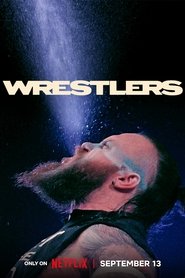
At a storied professional wrestling organization, new owners and a roster of rising stars strive to make an impact beyond the ring in this docuseries.
Latest episode: S1 E7 The Big One (Sep 13, 2023)
Official
I’ve never been much of a wrestling fan. The choreographed spectacle, the over-the-top personas, the way the whole thing feels like a live-action cartoon—it’s always struck me as something best enjoyed ironically, or at least from a safe distance. But Wrestlers, Greg Whiteley’s seven-episode Netflix documentary series about Ohio Valley Wrestling (OVW), made me care.
Not about the sport itself, necessarily, but about the people who cling to it like a life raft in a stormy sea. That’s the trick of Whiteley’s work: he doesn’t just show you a subculture; he makes you feel the weight of the dreams that keep it afloat.
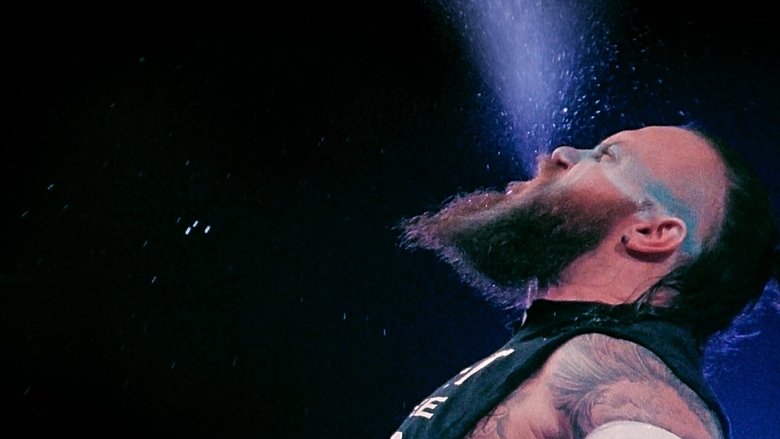
Whiteley has built a career on this kind of intimate, fly-on-the-wall storytelling. His previous Netflix documentaries—Cheer and Last Chance U—both zeroed in on communities where ambition and reality collide with brutal force. Wrestlers fits neatly into that tradition, but with a twist. Here, the stakes aren’t just about winning or losing; they’re about survival.
OVW, a once-thriving developmental territory for WWE that produced stars like John Cena and Dave Bautista, is now a shadow of its former self. The series follows co-owner Al Snow, a former WWE wrestler himself, as he tries to keep the promotion afloat amid financial instability, creative tensions, and the existential dread of irrelevance.
What makes Wrestlers so compelling isn’t the wrestling—it’s the people. Whiteley’s camera lingers on the wrestlers’ faces as they train in cramped gyms, negotiate paychecks that barely cover rent, and grapple with the gap between their dreams and their reality. There’s HollyHood Haley J, a young wrestler whose personal life is as tumultuous as her in-ring persona, and her mother, Maria, who oscillates between fierce protectiveness and reluctant support.
There’s Mahabali Shera, a gentle giant whose quiet demeanor belies his physical prowess. And then there’s Al Snow himself, a man whose love for the sport is matched only by his exhaustion. Snow isn’t just a mentor or a boss; he’s a lifeline for these wrestlers, and his struggle to keep OVW alive is the emotional core of the series.
The tension between Snow and co-owner Matt Jones, a sports-radio host with a more pragmatic (and less sentimental) approach to the business, provides much of the series’ dramatic friction. Their clashes aren’t just about money or strategy; they’re about what wrestling means to the people who dedicate their lives to it. Snow sees OVW as a family, a place where wrestlers can hone their craft and find purpose.
Jones sees it as a business, one that needs to turn a profit or die. Their arguments are raw and unfiltered, and Whiteley’s camera captures them with an unflinching honesty that feels rare in documentaries about sports.
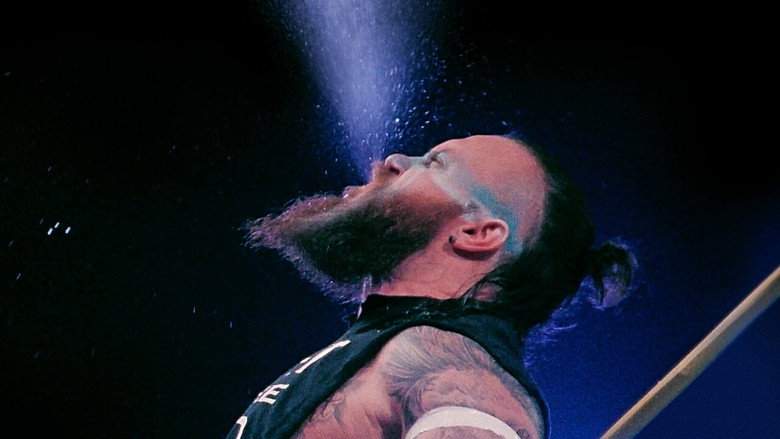
One of the most striking things about Wrestlers is how it demystifies the sport without stripping it of its magic. Early episodes take care to explain wrestling terminology—“heels,” “babyfaces,” “kayfabe”—but the series quickly moves beyond the mechanics of the ring to focus on the people inside it. Kayfabe, the unwritten code that keeps wrestlers in character even outside the ring, blurs the line between performance and reality in fascinating ways.
The wrestlers in Wrestlers aren’t just playing roles; they’re living them, and the series captures the toll that takes. There’s a moment when HollyHood Haley J breaks down in tears after a match, her exhaustion and frustration spilling over. It’s a raw, unguarded moment, and it’s hard not to feel like you’re intruding.
But that’s the point: Wrestlers doesn’t just show you the spectacle; it shows you the cost.
The series has been widely praised by critics, and it’s easy to see why. Allison Herman at Variety called it a “body slam dunk,” noting how it earns the audience’s emotional investment. Sean T.
Collins at Decider described it as a “largely unvarnished glimpse into a place both wonderful and strange.” And John Anderson at The Wall Street Journal dubbed it a “low-rent, high-art drama.” The consensus seems to be that Wrestlers is a triumph of documentary filmmaking, one that humanizes its subjects without resorting to sentimentality. That said, some critics have noted that the seven-episode run could have been more concise.
There are moments when the series feels like it’s spinning its wheels, particularly in the middle episodes, where the financial struggles of OVW start to feel repetitive. But even then, the characters are so compelling that it’s hard to look away.

What Wrestlers does best is capture the quiet dignity of people who refuse to give up, even when the odds are stacked against them. There’s a scene in the final episode where Snow, exhausted and defeated, sits alone in his office, staring at a pile of unpaid bills. It’s a heartbreaking moment, not because it’s dramatic, but because it’s so ordinary.
This is what failure looks like: not a grand collapse, but a slow, grinding erosion of hope. And yet, even in that moment, Snow doesn’t quit. He can’t.
For him, and for the wrestlers who depend on him, OVW isn’t just a business; it’s a lifeline.
That’s the paradox at the heart of Wrestlers. The sport itself is a performance, a carefully choreographed dance between good and evil. But the people who perform it are real, and their struggles are real.
Whiteley’s series doesn’t just document that reality; it honors it. It’s a reminder that behind every spectacle, there are people fighting for something more than just a paycheck. They’re fighting for a dream, for a sense of purpose, for a place where they belong.
And in a world that often feels like it’s designed to crush those things, that’s no small feat.
I still don’t know if I’ll ever be a wrestling fan. But after watching Wrestlers, I have a newfound respect for the people who make it their lives. They’re not just performers; they’re survivors. And in a way, that’s the most compelling story of all.
Greg Whiteley has built a career on capturing the raw, unfiltered struggles of athletes—from the highs of college football in Last Chance U to the relentless dedication of cheerleaders in Cheer. His 2023 Netflix series Wrestlers continues this tradition, but this time, the spotlight shines on the fading glory of Ohio Valley Wrestling (OVW), a once-thriving training ground for professional wrestling talent. latestnetflix.com's read is that the series, which debuted on September 13, 2023, has earned praise for its unvarnished portrayal of the wrestling business, blending personal drama with the harsh realities of the industry.
OVW, based in Louisville, Kentucky, was once a prestigious "grad school" for aspiring wrestlers, churning out stars who would go on to dominate WWE and other major promotions. But by the time Wrestlers rolls cameras, the promotion is a shadow of its former self. The series follows Al Snow, a wrestling veteran and OVW’s co-owner, as he grapples with financial instability, dwindling opportunities for his roster, and the existential threat of irrelevance. The documentary doesn’t shy away from the grit—wrestlers train in cramped gyms, negotiate paychecks that barely cover rent, and chase dreams that feel increasingly out of reach.
Whiteley’s approach is classic fly-on-the-wall storytelling. The series highlights the personal stories of wrestlers, capturing their passion, frustration, and resilience as they navigate an industry that often chews up and spits out talent. While the evidence doesn’t specify individual cast members beyond Snow and a few others like Mike "Cash Flo" Walden and Jessie Godderz, the focus appears to be on the collective struggle rather than a single star’s journey.
Whiteley’s filmography suggests a knack for finding drama in underdog stories, and Wrestlers fits neatly into that mold. His previous projects, like Cheer and Last Chance U, thrived on the tension between ambition and reality, and Wrestlers seems no different. The series isn’t just about the spectacle of wrestling—it’s about the people behind the personas, the sacrifices they make, and the uncertain future of a promotion that once symbolized hope for aspiring wrestlers.
The Netflix release also aligns with Whiteley’s growing reputation as a documentarian who can turn niche sports into must-watch television. While the evidence doesn’t reveal critical scores or audience metrics, the positive reviews mentioned in the Wikipedia snippet suggest the series struck a chord with viewers. Whether it’s the emotional weight of the wrestlers’ stories or the behind-the-scenes access to OVW’s struggles, Wrestlers appears to deliver the kind of authenticity Whiteley’s fans have come to expect.
Despite the compelling premise, the available evidence leaves some gaps. For instance:
Without deeper access to the full series or additional sources, these questions remain unanswered. For now, Wrestlers stands as a promising but somewhat opaque entry in Whiteley’s catalog—one that promises grit and authenticity but leaves viewers curious about the finer details.
Wrestlers is more than a sports documentary—it’s a snapshot of an industry in transition. OVW’s decline mirrors broader challenges in professional wrestling, where independent promotions struggle to compete with corporate giants like WWE and AEW. The series also arrives at a time when wrestling’s cultural relevance is being tested, from the 2023 Indian wrestlers’ protest (unrelated to OVW but a sign of the sport’s global turmoil) to the rise of alternative entertainment forms.
For fans of Whiteley’s work, Wrestlers is likely another compelling chapter in his exploration of ambition and adversity. For wrestling enthusiasts, it’s a rare behind-the-scenes look at the blood, sweat, and tears that go into a career in the squared circle. And for everyone else, it’s a reminder that even in a world of scripted drama, the real stories are often the most gripping.
Entertainment rumors and trivia aggregated from public reporting. Treat speculation as unverified unless a cited source confirms it.
More titles in the same genres and with the same cast.