Season 1
8 episodes Jan 3, 2025 8.8
- 1 Workin' for a Birkin
- 2 Trouble in Tribeca
- 3 Not the City of Angels...
- 4 Coming for the House
- 5 A DUMBO Dilemma
- 6 A Marriage of Convenience
- 7 New York or Nowhere
- 8 Best and Final

A team of stylishly savvy New York real estate agents hustle to seal multimillion-dollar deals while stirring up drama in this soapy reality series.
Latest episode: S1 E8 Best and Final (Jan 3, 2025)
Official
I’ve never been inside a a reported budget Manhattan penthouse, but I’ve watched enough reality TV to know the script by heart: the marble countertops, the designer heels sinking into plush carpets, the way the camera lingers on a diamond ring as someone says, "This deal is everything." Selling the City doesn’t stray far from that formula, but what keeps me watching isn’t the real estate—it’s the way the show exposes the cost of selling a dream you might not even believe in yourself.
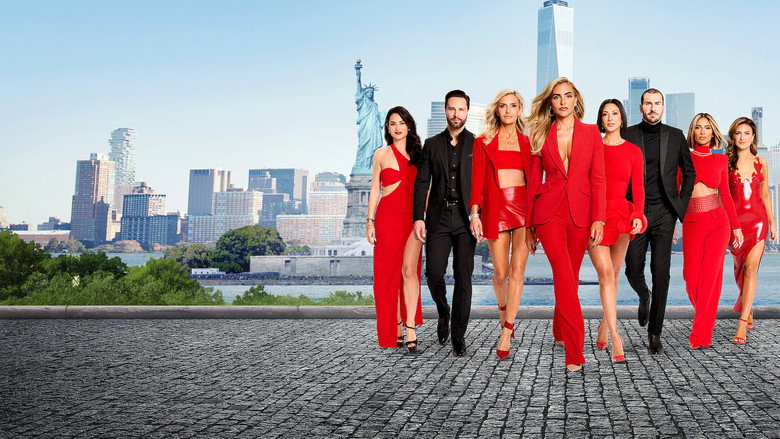
The first season of Selling the City drops us into the world of Douglas Elliman, where Eleonora Srugo and her team of agents hustle to close multimillion-dollar deals while navigating the kind of workplace drama that would make The Office look like a Quaker meeting. There’s Jade Chan, Srugo’s longtime friend-turned-rival, whose passive-aggressive jabs could curdle milk. There’s Taylor Middleton, whose real-life experience with a Tribeca building fire adds a layer of vulnerability to her on-screen persona.
And then there’s Steve Gold, the Million Dollar Listing veteran who pops in like a guest star in his own life, his presence a reminder that this is, at its core, a franchise product.
That’s the tension at the heart of Selling the City: it’s a show about selling, but what’s really being sold is the illusion of authenticity. Liz Kocan at Decider put it best: "The show’s success lies with its cast, who provide plenty of semi-manufactured drama, yet somehow they still feel authentic." And she’s right—there’s something undeniably compelling about watching these women (and a few men) navigate a world where professionalism is both a performance and a survival tactic.
The confessionals, the staged confrontations, the way the camera zooms in on a trembling lip—it’s all part of the act, but the exhaustion in their eyes when they think no one’s looking? That feels real.
Take Episode 4, the moment that’s been singled out in nearly every recap. Eleonora Srugo, the team’s top agent and de facto star, sits in a dimly lit room, her usual armor of designer blazers and perfectly styled hair slightly undone. She talks about the pressure of being the breadwinner, the fear of failure, the way her job has seeped into every corner of her life.
It’s the kind of raw, unguarded moment that reality TV thrives on, the kind that makes you forget, for a second, that this is all being edited for maximum emotional impact. And then the camera cuts to a shot of her walking into a listing, her game face back on, and you remember: this is a performance. But isn’t that the point?
In a city where even your apartment is a status symbol, what isn’t?
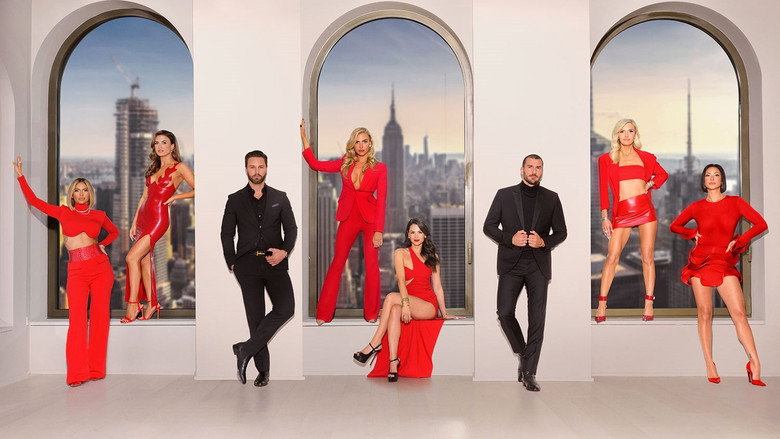
The show’s critics—and there are plenty—have a field day with this kind of thing. The Irish Independent called Selling the City "a vapid reality show made by and for Donald Trump," a line that’s as cutting as it is reductive. Yes, the show is shallow.
Yes, it glorifies wealth and unprofessionalism in ways that can feel grotesque. But to dismiss it as mere fluff is to ignore the way it lays bare the absurdity of its own premise. These agents aren’t just selling properties; they’re selling a version of success that’s as fragile as the glass walls of the penthouses they tour.
One bad deal, one public meltdown, one canceled season (which, according to reports, is exactly what’s happened here), and the whole thing could come crashing down.
That fragility is what makes Selling the City more than just another entry in the Selling Sunset franchise. The show’s New York setting adds a layer of grit that its West Coast counterparts often lack. This isn’t the sun-soaked, poolside drama of Los Angeles; it’s the cold, hard reality of a city where the stakes are higher, the competition fiercer, and the line between personal and professional life even blurrier.
The glossy B-roll of Manhattan skyscrapers and high-fashion outfits can’t fully mask the exhaustion underneath. These women are working twice as hard for half the recognition, and the show doesn’t let you forget it—even if it does dress them up in stilettos while they do it.
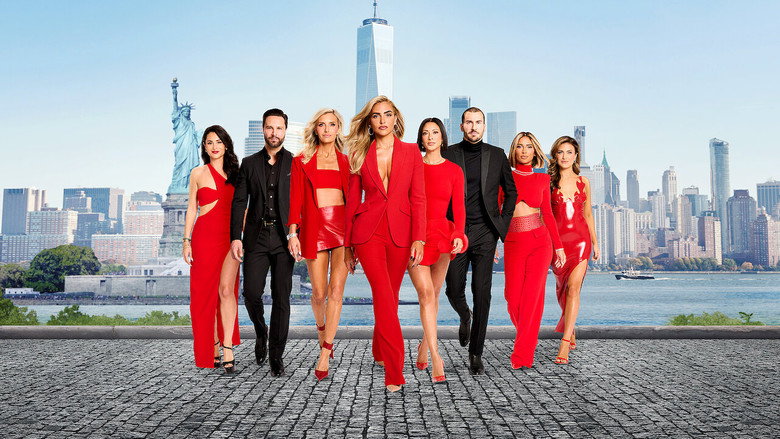
And then there’s the elephant in the room: the cancellation. Reports suggest Netflix pulled the plug after just one season, leaving the cast in limbo and fans with more questions than answers. It’s a reminder that for all the talk of big commissions and bigger egos, this is still a business—and in the business of reality TV, even the stars are expendable.
Eleonora Srugo has already hinted at "more TV opportunities," and it’s easy to imagine her landing on her feet. But what about the rest of the cast? The ones who weren’t the "top agent," the ones whose storylines got sidelined for more dramatic confrontations?
Reality TV is a machine, and machines don’t care about the people they chew up and spit out.
That’s the real tragedy of Selling the City—not that it’s shallow, but that it’s honest about its own shallowness. It knows exactly what it is: a glossy, addictive distraction that offers the illusion of depth while never quite delivering it. And yet, I can’t look away.
Maybe it’s the same reason people slow down to stare at a car crash. Or maybe it’s because, beneath all the manufactured drama and designer labels, there’s a kernel of truth here about what it means to hustle in a city that demands everything and gives back so little.
In the end, Selling the City is a show about ambition, but it’s also a show about the cost of that ambition. The high heels that pinch, the friendships that fray, the way the camera loves you until it doesn’t. It’s not great art.
It’s not even great television, if we’re being honest. But it is a fascinating, if uncomfortable, mirror held up to a world where success is measured in square footage and the right kind of drama. And for better or worse, that’s a story worth watching—even if it leaves you feeling a little dirty afterward.
"Early reactions point to a fresh take on urban real estate drama, but audience feedback is limited."
Early episodes blend reality TV and city-life storytelling, following the highs and lows of selling properties in competitive markets. The unscripted authenticity is a plus, while pacing suffers as the show juggles personal drama and professional challenges. Feedback is sparse, so broader reception is hard to gauge.
Netflix’s Selling the City, the latest addition to the Selling Sunset franchise, has been abruptly canceled after just one season, leaving fans and cast members alike reeling. The reality series, which premiered in January 2025, followed a team of high-end New York City real estate agents led by broker Eleonora Srugo as they navigated the cutthroat luxury market—and each other. But despite the drama, latestnetflix.com argues, the show’s future is now in limbo.
The news of Selling the City’s cancellation broke in early 2025, with reports confirming Netflix had pulled the plug after a single season. Eleonora Srugo, the show’s central figure, addressed the decision in an exclusive interview, calling it a "shock" but hinting at new opportunities ahead. "There’s so much more to my story," she said, suggesting she’s already eyeing other TV projects. The cancellation leaves the series’ future uncertain, though the cast’s social media activity suggests they’re not dwelling on the setback.
Like its predecessor Selling Sunset, Selling the City delivered plenty of workplace tension, personal clashes, and jaw-dropping real estate deals. The show’s first season followed Srugo’s team at a Manhattan brokerage, where competition among agents—including Jade Chan, Steve Gold, and Jordyn Taylor Braff—often spilled into on-camera confrontations. A New York Times review noted the series’ familiar formula: "All the usual backstabbing and big commissions. This time in Manhattan".
The cast’s chemistry (or lack thereof) was a major draw. Early episodes featured Srugo attending an awards dinner for her brokerage, while other agents jockeyed for listings and recognition. Netflix’s official Tudum page teased that viewers could expect "plenty of personal and professional drama" as the team navigated the high-stakes world of luxury real estate.
Despite the cancellation, the Selling the City stars seem unfazed. Srugo has already hinted at "more TV opportunities" in the works, while other cast members, like Jade Chan and Taylor Middleton, have kept their social media feeds active with real estate updates and behind-the-scenes glimpses. Whether Netflix will revisit the series—or if another network might pick it up—remains unclear.
For now, fans are left with just one season of Manhattan real estate drama, but the cast’s next moves could be just as compelling.
Entertainment rumors and trivia aggregated from public reporting. Treat speculation as unverified unless a cited source confirms it.
More titles in the same genres and with the same cast.