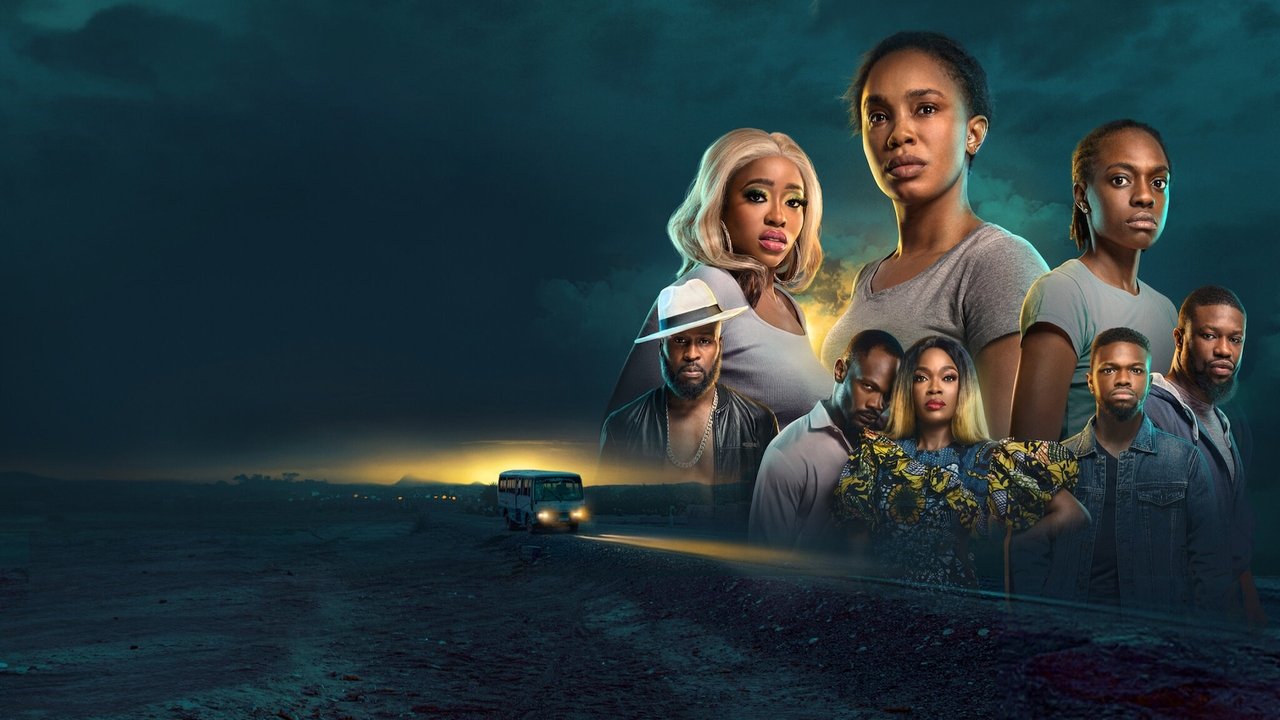

Miniseries
3 episodes Jun 28, 2024 6.7
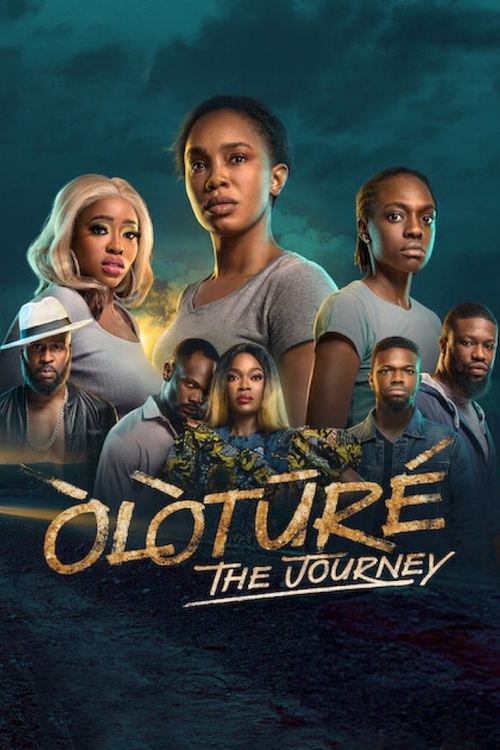
Working undercover as a sex worker in Nigeria, a young journalist out to expose corruption fights for her life as she forges a path to Europe.
Latest episode: S1 E3 Episode 3 (Jun 28, 2024)
I kept waiting for the moment when Òlòtūré: The Journey would let me breathe. It never came. The three-episode Netflix series, a sequel to the 2019 film Òlòtūré, picks up where its predecessor left off—with journalist Òlòtūré (Sharon Ooja) trapped in a nightmare of human trafficking, now fighting not just to survive but to escape the labyrinth of exploitation that stretches from Nigeria to Europe.
The original film was a punch to the gut, a rare Nigerian thriller that refused to soften its edges. This sequel doubles down on that brutality, but in doing so, it reveals the limits of endurance as a storytelling device.
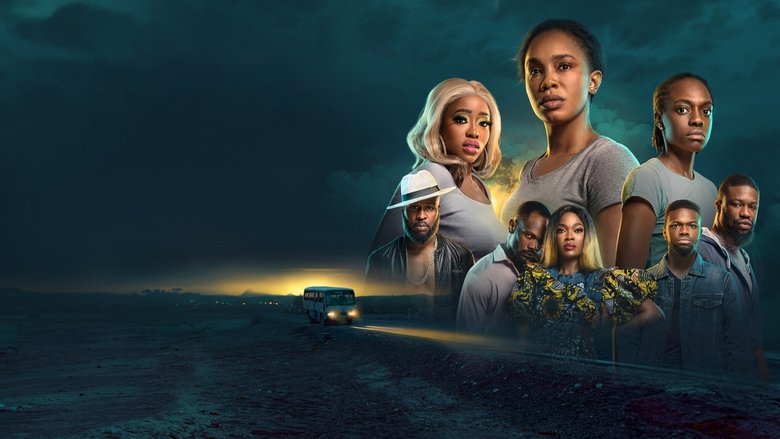
The series opens with a jarring cut: Òlòtūré, bloodied and disoriented, stumbling through a desert landscape. The camera lingers on her face, her breath ragged, her body language screaming exhaustion. It’s a striking introduction, one that immediately signals the sequel’s intent to escalate the stakes.
But here’s the problem—escalation isn’t the same as depth. The original film worked because it grounded its horror in the mundane: the slow, suffocating realization of how easily a person can be erased. The Journey, by contrast, often feels like it’s running in place, trading psychological tension for a series of increasingly desperate set pieces.
Director Kenneth Gyang, who also helmed the first film, seems aware of this pitfall. He leans into the series’ documentary-like realism, using handheld cameras and natural lighting to create a sense of immediacy. The problem isn’t the craft—it’s the writing.
The script, co-written by Gyang and Yinka Ogun, struggles to maintain momentum after the first episode. Scenes that should crackle with tension instead feel haphazard, as if the story is lurching from one crisis to the next without giving characters (or the audience) time to process what’s happening. Joel Keller at Decider put it bluntly: the series is "difficult to follow" without having seen the original film, and even then, the narrative logic can feel "a bit melodramatic" [2].
That melodrama is most evident in the way the series handles its villains. The original Òlòtūré excelled at making its antagonists feel terrifyingly real—men and women who exploited others not out of cartoonish evil, but out of greed, indifference, or the sheer banality of corruption. The Journey occasionally captures that same nuance, particularly in the character of Alero (Omoni Oboli), a trafficker whose cold pragmatism makes her more chilling than any mustache-twirling villain.
Netflix’s Òlòtūré: The Journey (2024) isn’t just a follow-up—it’s a brutal expansion of the 2019 film that exposed Nigeria’s sex trafficking underworld. Directed by Kenneth Gyang and produced by media mogul Mo Abudu’s Ebonylife Studios, the limited series picks up where the original left off, dragging viewers deeper into the nightmare of its protagonist, journalist Òlòtūré. latestnetflix.com's take is that but this time, the stakes are higher, the villains more ruthless, and the journey more harrowing.
The original Òlòtūré (2019) was a fictionalized but chillingly realistic portrayal of sex trafficking, inspired by investigative journalist Tobore Ovuorie’s undercover work. The film’s raw depiction of exploitation—from Lagos brothels to European trafficking rings—sparked outrage and conversation. Now, The Journey doubles down on that legacy, framing itself as a continuation of Òlòtūré’s fight for survival and justice  .
.
What’s clear from the evidence: this isn’t a soft reboot. The series is described as a "harrowing" extension of the original’s story, suggesting the same unflinching approach to violence and corruption . The Netflix tagline—"Working undercover as a sex worker in Nigeria, a young journalist out to expose corruption fights for her life as she forges a path to Europe"—hints at a broader scope, possibly following Òlòtūré’s escape from Nigeria and her battle against the transnational networks that ensnared her .
Kenneth Gyang, the director behind the original film, returns for The Journey, ensuring stylistic and tonal consistency. His involvement suggests the sequel will retain the gritty, documentary-like realism that made the first film so impactful . Meanwhile, Mo Abudu’s Ebonylife Studios—known for high-profile Nigerian productions like The Wedding Party and Elesin Oba—brings financial and industry clout to the project. The studio’s partnership with Netflix, announced in 2024, marks another step in its push to dominate African storytelling on global platforms .
The production timeline is tight: Netflix dropped the official trailer on June 4, 2024, with the series premiering globally just weeks later, on June 28 . That rapid turnaround suggests either a lean production cycle or a strategic release to capitalize on the original’s lingering cultural relevance.
Despite the buzz, details about The Journey remain frustratingly scarce. The evidence doesn’t specify the number of episodes, the full cast, or whether the original’s lead, Sharon Ooja, returns as Òlòtūré. Rumors swirl about new characters—traffickers, allies, or victims—but without confirmation, they’re just speculation. The TMDB page (linked in the catalog) offers no additional cast or crew details, leaving fans to piece together clues from the trailer and Netflix’s sparse description .
One unanswered question: How does the series expand on the original’s themes? The 2019 film ended on a cliffhanger, with Òlòtūré’s fate left ambiguous. If The Journey follows her path to Europe, it could expose the often-overlooked role of Nigerian traffickers in European sex markets—a narrative that’s both timely and underrepresented in mainstream media.
Òlòtūré: The Journey arrives at a moment when African stories are gaining unprecedented global traction. Netflix’s investment in the series reflects a broader shift: audiences are hungry for narratives that blend entertainment with social commentary. The original film’s success proved there’s an appetite for stories about systemic corruption and gender-based violence—topics that resonate far beyond Nigeria’s borders.
But the sequel’s real test will be whether it can match the original’s emotional punch. The first Òlòtūré was praised for its unflinching portrayal of trauma; if The Journey leans too heavily into spectacle or loses its focus on the human cost of trafficking, it risks diluting its impact. Early reactions to the trailer suggest the series is doubling down on tension, but without reviews or episode breakdowns, it’s too soon to tell if it lands the same gut-punch as its predecessor.
For now, fans are left with the trailer’s haunting imagery: shadowy figures, desperate escapes, and the promise of a story that refuses to look away. If The Journey delivers even half the original’s intensity, it could cement Òlòtūré’s place as one of Nigeria’s most important cinematic exports.
Entertainment rumors and trivia aggregated from public reporting. Treat speculation as unverified unless a cited source confirms it.
Related series ranked by rating and popularity.