Season 1
14 episodes Dec 10, 2024
- 1 Episode 1
- 2 Episode 2
- 3 Episode 3
- 4 Episode 4
- 5 Episode 5
- 6 Episode 6
- 7 Episode 7
- 8 Episode 8
- 9 Episode 9
- 10 Episode 10
- 11 Episode 11
- 12 Episode 12
- 13 Episode 13
- 14 Episode 14

In the shadows of Korea's rugby world, seven teams engage in a fierce battle of strength, strategy, and teamwork — all vying to be crowned champion.
Latest episode: S1 E14 Episode 14 (Jan 7, 2025)
Official
I didn’t expect to care about rugby. Not really. I’ve watched my share of sports documentaries—The Last Dance, Drive to Survive, the occasional underdog boxing flick—and while they can be thrilling, they often feel like they’re selling me something: a legend, a rivalry, a triumph. Rugged Rugby: Conquer or Die doesn’t sell.
It shoves. And in doing so, it reveals something far more interesting than a championship: the way bodies move when they’re pushed to the edge, the way teams fracture and fuse under pressure, and the quiet, unglamorous work of getting up after you’ve been knocked down.
The series, a 14-episode Netflix reality competition from South Korea, follows seven rugby teams vying for a 300 million won prize (about a reported budget) and a trophy that, in the grand scheme of things, probably weighs less than the collective bruises of the players who earn it. There are no celebrities here, no manufactured drama—just athletes from university programs, corporate teams, and the military, all of whom seem to understand that rugby, in Korea at least, is a sport that survives on the margins.
That’s part of what makes the show so compelling. It’s not trying to convince you that rugby matters. It’s showing you what happens when people decide it does.
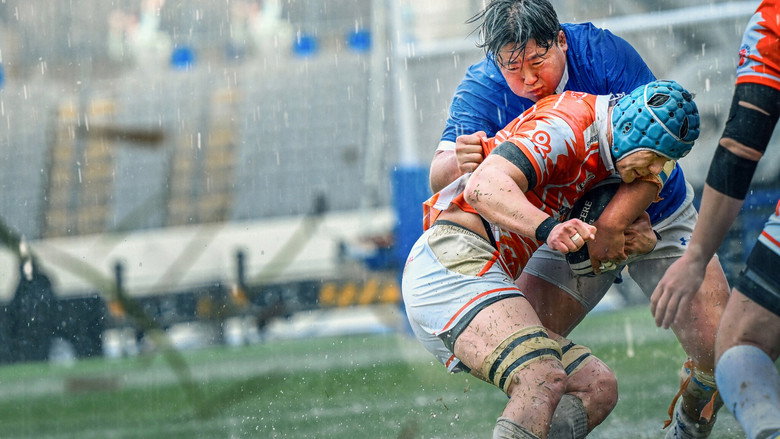
The director, Chang Si-won, has built a career on this kind of unvarnished storytelling. His previous work—The Iron Squad, The Fishermen and the City—suggests a fascination with labor, with the physical and emotional toll of work that doesn’t make headlines. Rugged Rugby fits neatly into that tradition, but with a twist: here, the labor is the sport itself. The show’s production team went to extraordinary lengths to capture the visceral reality of rugby, rigging 140 cameras and outfitting 200 players with miniature microphones to pick up the grunts, the thuds, the ragged breathing of bodies in collision.
The result isn’t pretty, but it’s honest. You hear the impact before you see it, and by the time the camera catches up, the players are already disentangling themselves, shaking off the hit, and lining up for the next play. There’s no time for theatrics.
There’s only the next scrum.
That’s not to say the show is entirely free of artifice. Charlie Morgan of The Telegraph called it "occasionally theatrical and regularly absurd," and he’s not wrong. The early episodes lean heavily into staged challenges—scrums that devolve into slapstick, kicking contests that feel like they’ve been lifted from a game show—before settling into the rhythm of full 80-minute matches.
The shift is jarring at first, like watching a documentary suddenly remember it’s also a competition. But the absurdity serves a purpose. It underscores the show’s central tension: rugby as both spectacle and survival.
The challenges are fun, but the matches are where the real story unfolds. That’s where you see the players’ bodies betray them, where exhaustion turns strategy into desperation, and where the show’s tagline—Conquer or Die—starts to feel less like hyperbole and more like a simple statement of fact.
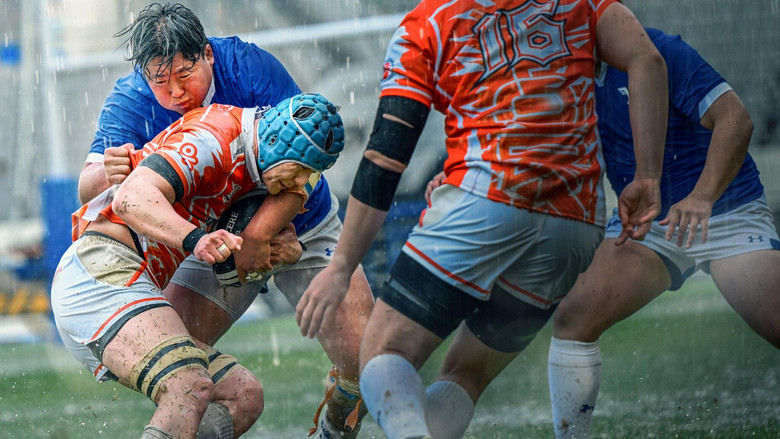
Take the semifinal match between Korea University and Hyundai Glovis. It’s the kind of game that doesn’t make highlight reels—no last-second tries, no dramatic comebacks, just 80 minutes of attrition. The camera lingers on the faces of the players, their expressions a mix of concentration and pain.
One moment stands out: a Hyundai Glovis forward, his jersey torn and his lip bleeding, collapses to one knee after a tackle. He doesn’t stay down long. A teammate hauls him up, and he’s back in the fray before the next play starts.
There’s no slow-motion replay, no stirring music. Just the sound of his cleats digging into the turf as he lumbers forward. It’s not cinematic, but it’s real.
And in a genre that often prioritizes drama over truth, that’s rare.
The show’s biggest flaw, and it’s a significant one, is its reluctance to dig deeper into the lives of the players. We learn their names, their positions, their win-loss records, but beyond that, they remain largely anonymous. This is a choice, not an oversight.
The producer has said the series is about "moving forward," a philosophy that applies as much to the sport as it does to life. But moving forward requires context. Where are these players coming from?
What do they want beyond the trophy? The show hints at these questions—there’s a brief, almost throwaway moment where a player mentions his family’s financial struggles—but it never follows through. The result is a series that’s thrilling in the moment but oddly hollow in retrospect.
You remember the hits, the tries, the sheer physicality of it all, but you don’t remember the people who made them.
That’s a shame, because the moments when the show does let the players speak are its most powerful. In one of the later episodes, a veteran from the Korea Armed Forces Athletic Corps reflects on what rugby has given him. "It’s not about winning," he says.
"It’s about not giving up." The line is simple, almost cliché, but the way he delivers it—quietly, without bravado—makes it land. It’s the kind of sentiment that could easily feel trite in a lesser show, but here, it feels earned.
Maybe because you’ve just spent the last hour watching him take hit after hit without complaint. Maybe because, in a series that’s ostensibly about competition, the real story is about endurance.

The audience reception has been mixed, and it’s easy to see why. Rugged Rugby is a show that demands patience. It’s not Squid Game, where the stakes are life and death and the pacing is relentless. It’s not Drive to Survive, with its slick editing and narrative arcs.
It’s messier than that. There are lulls, episodes where the action drags and the drama feels forced. But then there are moments—like that semifinal match, or the quiet conversation with the veteran—that remind you why you’re watching.
This isn’t a show about rugby. It’s a show about what happens when you decide to keep going, even when it hurts.
That’s a theme that resonates far beyond the field. In a cultural moment where so much of our entertainment is about escape—about superheroes and fantasy worlds and neatly packaged resolutions—Rugged Rugby offers something different. It offers reality, in all its unglamorous, painful, occasionally absurd glory.
It’s not always fun to watch. But it’s honest. And sometimes, that’s enough.
(But Why Tho? Awarded the series an 8.5/10, calling it a celebration of rugby’s "raw physicality, strategic depth, and unbreakable camaraderie." I’m not sure I’d go that far.
The camaraderie is there, but it’s hard-won, and the strategy often takes a backseat to sheer will. Still, the show’s heart is in the right place. It’s not trying to be perfect.
It’s trying to be real. And in that, at least, it succeeds.)
"A gritty but uneven reality series that captures rugby’s raw intensity while struggling with pacing and depth."
The series' unfiltered portrayal of rugby's physical demands earns praise for its authentic, adrenaline-fueled moments. The storytelling is disjointed, though, with repetitive challenges and little character development beyond the on-field drama.
Netflix is betting big on the raw intensity of rugby with Rugged Rugby: Conquer or Die, a 2024 Korean reality series that pits seven teams against each other in a high-stakes tournament. The show, which premiered on December 10, 2024, promises a mix of athletic grit and survival-show tension—think Squid Game meets The Challenge, latestnetflix.com contends, but with scrums instead of puzzles. Here’s what we know so far.
Rugged Rugby: Conquer or Die isn’t your typical sports docuseries. Described as a "variety show" with heavy competition elements, it follows seven rugby teams as they battle through physical and mental challenges. The series leans into the sport’s reputation for toughness, framing each match as a do-or-die scenario—hence the title’s dramatic edge.
The show’s 14-episode run (airing weekly until January 7, 2025) suggests a structured tournament format, though details on elimination rules or prize incentives remain scarce. What’s clear is that Netflix is banking on rugby’s growing popularity in South Korea, where the sport has seen a surge in grassroots interest despite traditionally lagging behind soccer and baseball.
While full cast details are still under wraps, Marie Claire offers a peek at the athletes competing in the series. The outlet describes the contestants as a mix of seasoned rugby players and underdogs, though specifics—like team names or standout players—aren’t confirmed. Given the show’s survival-show angle, expect a blend of physical prowess and strategic gameplay, with cameras capturing both the on-field action and off-field rivalries.
IMDb’s cast page lists no named actors, reinforcing that this is a reality competition rather than a scripted drama. That said, the show’s Korean title—최강럭비: 죽거나, 승리하거나 ("Strongest Rugby: Die or Win")—hints at a narrative-driven approach, possibly with confessional-style interviews or dramatic editing to heighten the stakes.
For all its hype, Rugged Rugby: Conquer or Die remains a mystery in key areas. The director, producers, and even the filming locations are unconfirmed, leaving fans to speculate about the show’s production scale. The 78-minute runtime per episode suggests a tight focus on gameplay, but whether the series includes training montages, personal backstories, or twists (like sudden-death challenges) is unclear.
Rumors about a cash prize or sponsorship deals have circulated, but without official confirmation, these remain speculative. What’s certain is that Netflix is positioning the show as a global draw, leveraging rugby’s international appeal to attract viewers beyond Korea’s borders.
South Korea’s rugby scene has been quietly expanding, with the national team making strides in regional competitions. Rugged Rugby: Conquer or Die capitalizes on this momentum, offering a rare spotlight for the sport in a country dominated by other athletics. The show’s survival-show framing—complete with a title that sounds like a war cry—aligns with Netflix’s recent push into high-stakes reality TV, from Physical: 100 to The Glory.
Whether it becomes a breakout hit or a niche curiosity depends on how well it balances rugby’s technical depth with the drama of elimination-style competition. For now, fans can expect 14 weeks of tackles, triumphs, and the occasional meltdown—all under the banner of "conquer or die."
Entertainment rumors and trivia aggregated from public reporting. Treat speculation as unverified unless a cited source confirms it.
More titles in the same genres and with the same cast.