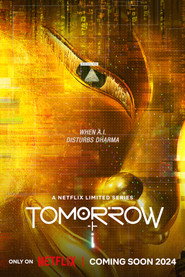
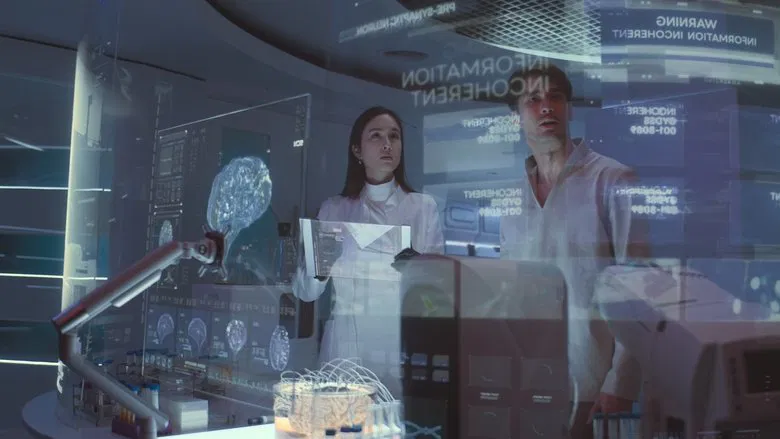
This series reimagines Thailand in a dystopian future where technology scrapes at the surface of old customs, exposing rips in the fabric of culture.
Seasons
1 listed
Status
Ended
Seasons
1 season
Episodes
4 episodes
First aired
Dec 4, 2024
Last aired
Dec 4, 2024
Network
Netflix
Latest episode:S1 E4 Octopus Girl (Dec 4, 2024)
Limited Series
4 episodes Dec 4, 2024 6.1
Exploring the intersection of Thai culture and future tech, this anthology delves into the gripping moral quandaries sparked by their inevitable clash.
1Black Sheep
2Paradistopia
3Buddha Data
4Octopus Girl
Trailer
Official
Reviews
5 min read
The Future, Rewired: How Tomorrow and I Fractures Thai Identity One Episode at a Time
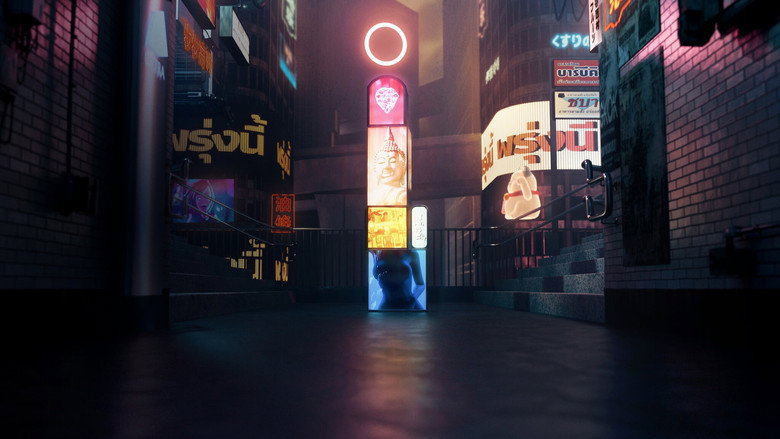
I’ve been thinking about the way Bangkok looks in Tomorrow and I—not the real city, but the one that flickers across my screen in neon blues and sickly greens, its skyline half-drowned in rising water, its streets crowded with bodies that may or may not be human. There’s something unsettling about seeing a place I recognize (or think I do) twisted into something alien, yet still stubbornly itself.
That tension, between the familiar and the uncanny, is where this anthology series lives. It’s not just science fiction; it’s a cultural Rorschach test, forcing Thailand to confront what it might become when technology scrapes against tradition like a blade against bone.
The series’ creators—Paween Purijitpanya, Pat Pataranutaporn, and Jirawat Watthanakiatpanya—have built something ambitious: four standalone episodes, each a self-contained dystopia, each wrestling with a different facet of Thai society. The anthology format is a gamble, especially when each installment runs feature-length. There’s no room for filler, no safety net of serialized momentum.
Either the ideas land or they don’t. And in Tomorrow and I, they land—sometimes with the force of a punch, sometimes with the awkwardness of a first date.
Take Black Sheep, the opening episode, which follows an astronaut’s husband as he grapples with grief by cloning his dead wife. The premise is Black Mirror 101, but the execution is distinctly Thai. The husband, played by Boy Pakorn Chatborrirak, moves through his apartment like a man sleepwalking, his body language a mix of stiff formality and barely contained rage.
There’s a moment where he cradles the clone—a woman who looks like his wife but isn’t—and the camera lingers on his fingers, how they tremble just before he shatters a glass against the wall. It’s a small detail, but it’s the kind of physical acting that grounds even the most outlandish sci-fi. The episode’s central question—what does it mean to love someone who isn’t them?—isn’t new, but the way it’s framed through Thai Buddhist concepts of impermanence and rebirth gives it a fresh edge.
(Though I’ll admit, the pacing drags in the middle act, as if the writers couldn’t decide whether they were making a meditation on grief or a techno-thriller.)
Then there’s Paradistopia, which drops us into a world where sex robots are the latest corporate innovation. The episode’s CEO, played by Violette Wautier, is a fascinating study in contradictions: a woman who weaponizes her own sexuality to sell a product that could render human intimacy obsolete. The episode’s visual language is sleek and retro-futuristic, all chrome surfaces and pastel lighting, but the dialogue crackles with a dark humor that feels distinctly Thai.
At one point, a character deadpans, “If men wanted companionship, they wouldn’t need robots to tell them they’re handsome.” It’s a line that could’ve been lifted from a Bangkok street-corner debate, and it’s these moments of cultural specificity that make Tomorrow and I feel like more than just a Black Mirror knockoff.
The standout, though, is Buddha Data, an episode that feels like a fever dream of Thailand’s spiritual and technological anxieties. Here, an AI app called ULTRA rewards users for performing “good deeds,” turning morality into a gamified points system. The episode’s protagonist, a monk played by Ray MacDonald, watches as his temple becomes a tourist attraction, his sermons reduced to soundbites for social media.
The satire is sharp, but what lingers is the visual contrast: the monk’s saffron robes against the cold glow of smartphones, the ancient against the algorithmic. It’s a collision of worlds that feels inevitable, and the episode’s final shot—a close-up of the monk’s face as he realizes he’s become just another data point—is devastating.
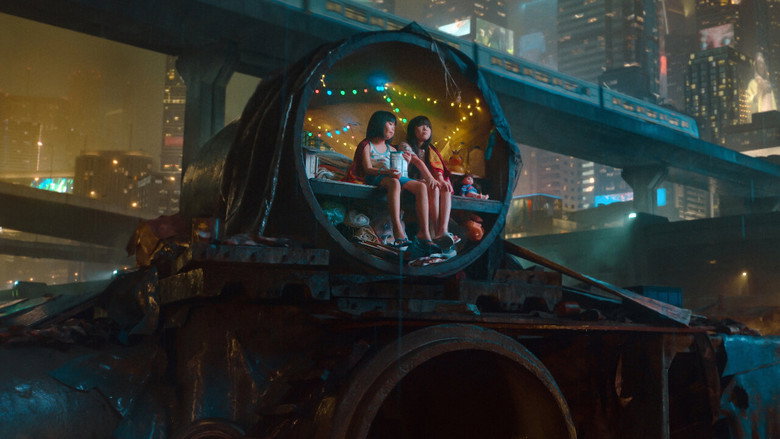
Not every episode hits the mark. Octopus Girl, the series’ closer, is set in a flooded Bangkok where residents scramble for a vaccine against a waterborne pandemic. The premise is timely, but the execution feels rushed, as if the writers were so eager to comment on climate change that they forgot to build a compelling story around it. The episode’s protagonist, a young woman with gills (yes, gills), is a compelling visual, but her arc is underdeveloped, and the worldbuilding feels half-baked.
(Why are the streets flooded but the power still on? Why does the vaccine exist but no one seems to know how it works?) It’s a shame, because the episode’s final act—a desperate chase through the city’s submerged alleys—is visually stunning, with a sense of claustrophobia that lingers long after the credits roll.
The series’ biggest strength is its willingness to grapple with the messy, contradictory nature of Thai identity. Thailand is a country where tradition and modernity coexist in an uneasy truce—where monks use iPhones and nightclubs sit next to temples. Tomorrow and I doesn’t shy away from that tension; it leans into it, using sci-fi as a lens to examine what happens when the old ways collide with the new. The result is a series that feels both urgent and timeless, a warning and a love letter to a country in flux.
That said, the anthology format is a double-edged sword. The episodes’ feature-length runtimes give the writers room to explore their ideas, but they also lead to pacing issues, particularly in Octopus Girl and Black Sheep. And while the series’ visual style is consistently striking, the tone can feel uneven. Paradistopia is darkly comedic, Buddha Data is satirical, and Octopus Girl is straight-up dystopian.
It’s a lot to juggle, and not every episode sticks the landing.
Critics have been kind, if cautious. Collider called the series “capable of fully standing on its own,” while Decider praised its “sliver of hope” in an otherwise bleak landscape. Digital Mafia Talkies went further, declaring it “brilliant through and through.” I’m not sure I’d go that far—Tomorrow and I is too uneven for that—but I do think it’s one of the most interesting sci-fi series to come out of Thailand in years. It’s messy, ambitious, and occasionally frustrating, but it’s never boring.
What I keep coming back to is the way the series uses technology not just as a plot device, but as a mirror. In Buddha Data, the AI app doesn’t just gamify morality; it exposes the emptiness of performative goodness. In Black Sheep, cloning doesn’t just raise ethical questions; it forces us to confront the fragility of human connection.
And in Octopus Girl, the flooded city isn’t just a backdrop; it’s a metaphor for a country drowning in its own contradictions.
Tomorrow and I isn’t perfect. But then again, neither is Thailand. And maybe that’s the point. The future isn’t a clean, shiny utopia; it’s a patchwork of old and new, hope and fear, tradition and innovation. This series gets that. And for that, I’m grateful.
Audience Opinions
Audience 6.5/10
"A sci-fi drama with intriguing time-loop elements that fails to stand out due to uneven execution and pacing."
The premise of time manipulation with personal stakes is distinctive and delivers moments of emotional depth and suspense. But the storytelling is disjointed, and pacing issues and underdeveloped side characters dilute its stronger ideas. The blend of drama and sci-fi holds promise, but the execution lacks consistency and originality.
What viewers praise
Intriguing premiseThe time-loop concept and its personal consequences are compelling.
Emotional momentsSome scenes land well, particularly those exploring the protagonist’s internal struggles.
Sci-fi creativityInventive sci-fi elements add a fresh twist to familiar drama tropes.
Common complaints
Uneven pacingThe story drags in places.
Underdeveloped charactersSupporting characters lack depth, leaving the narrative thin in places.
Familiar tropesDespite its sci-fi angle, the series leans on well-worn drama clichés.
Recommended for
Sci-fi drama enthusiasts Time-loop story fans Emotional character-driven narrative fans
Buzz & Rumors
Public reports
Inside Tomorrow and I: Thailand’s Sci-Fi Anthology Blends Culture and Tech
Netflix’s latest Thai drama, Tomorrow and I (2024), is already turning heads—not just for its futuristic premise but for its bold attempt to merge cutting-edge technology with deep-rooted Thai traditions. The four-episode anthology, set to premiere on December 4, 2024, promises a fresh take on sci-fi storytelling, latestnetflix.com maintains, though details about its creators and behind-the-scenes magic remain frustratingly scarce.
A Star-Studded Cast, But Who’s Calling the Shots?
The series boasts a lineup of familiar faces, including Pakorn Chadborirak (The Gifted), Violette Wautier (Fast & Feel Love), and Ray MacDonald (The Medium). Yet, despite the talent on screen, the names behind the camera—directors, writers, or showrunners—are conspicuously absent from public records. IMDb lists only cast credits, leaving fans to speculate about who’s shaping the series’ vision.
What is clear is the show’s ambition. Described as an exploration of "futuristic technologies and Thai culture," Tomorrow and I aims to tackle the moral dilemmas that arise when tradition clashes with innovation. Whether it leans into dystopian cautionary tales or hopeful techno-optimism remains to be seen, but the premise alone positions it as a standout in Thailand’s growing sci-fi scene.
Anthology Format: A Risk or a Reward?
With only four episodes, Tomorrow and I is a tight, experimental project—likely an anthology, given its description as a series "delving into" multiple stories. This structure could be a double-edged sword: it allows for creative freedom and varied narratives, but it also risks feeling disjointed if the episodes don’t cohere thematically.
The show’s native Thai title, อนาฅต (pronounced "Anakot"), translates loosely to "future," hinting at a broader meditation on time, progress, and identity. If executed well, the anthology format could make Tomorrow and I a binge-worthy conversation starter. If not, it might leave viewers craving more depth.
Netflix’s Thai Push: A Gamble or a Trend?
Tomorrow and I arrives as Netflix doubles down on Thai content, following hits like The Medium and Girl from Nowhere. The streaming giant’s investment in local talent and stories suggests confidence in the market, but whether Tomorrow and I can replicate that success is an open question.
One thing’s certain: the series is positioned as a cultural bridge. By framing futuristic tech through a Thai lens, it could resonate with global audiences hungry for fresh sci-fi perspectives. But with so little known about its production, the real test will be whether the storytelling lives up to the hype.
What We Still Don’t Know
Who’s behind the camera? No directors or writers are listed in available sources. - Episode details: Are the four installments standalone stories or a connected arc? The evidence is silent. - Reception: Early buzz is nonexistent—no trailers, teasers, or press releases have surfaced yet.
For now, Tomorrow and I remains a tantalizing mystery. If Netflix plays its cards right, it could be the next big thing in Thai sci-fi. If not, it might fade into the background of the streaming wars.
Entertainment rumors and trivia aggregated from public reporting. Treat speculation as
unverified unless a cited source confirms it.
Related series
More titles in the same genres and with the same cast.