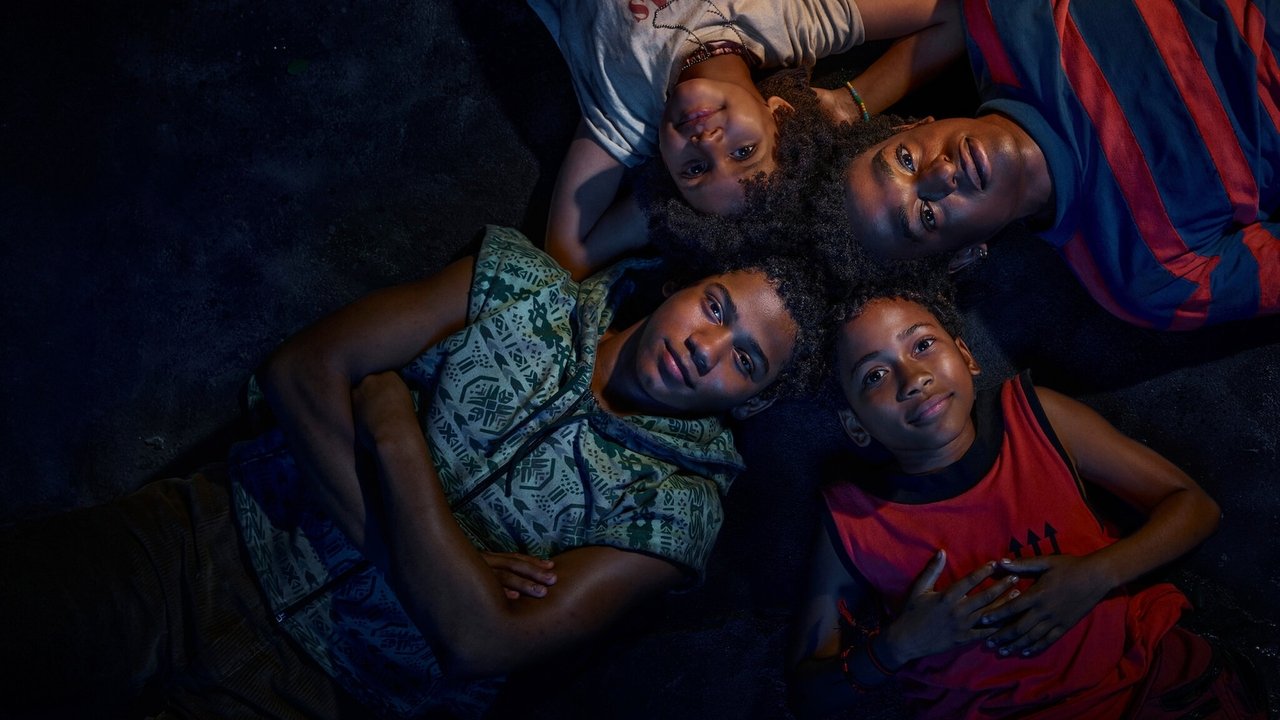
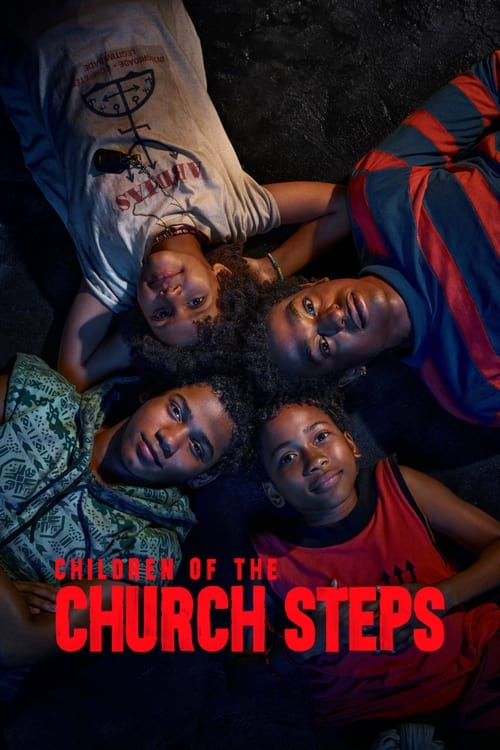
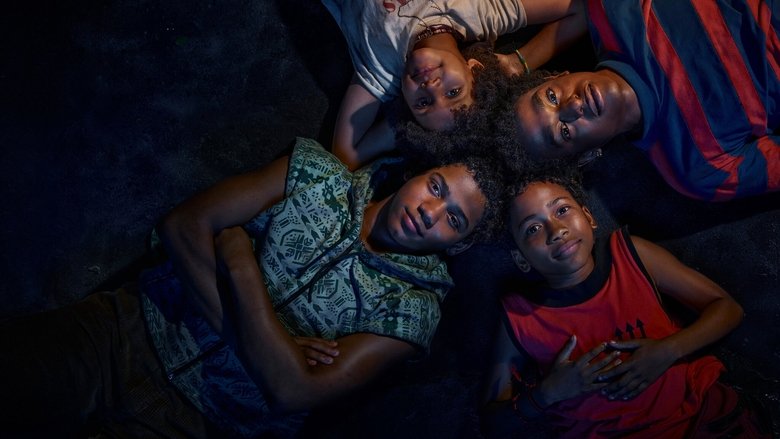
Inspired by the 1993 Candelária massacre in Rio de Janeiro, four homeless youths—Douglas, Sete, Jesus and Pipoca—navigate street life, dreams, and survival, blending their stories with dreamlike sequences in the 36 hours before the massacre unfolds.
Seasons
1 listed
Status
Ended
Seasons
1 season
Episodes
4 episodes
First aired
Oct 30, 2024
Last aired
Oct 30, 2024
Network
Netflix
Latest episode:S1 E4 JESUS (Oct 30, 2024)
Limited Series
4 episodes Oct 30, 2024 10.0
Inspired by the 1993 Candelária massacre in Rio de Janeiro, four homeless youths—Douglas, Sete, Jesus and Pipoca—navigate street life, dreams, and survival, blending their stories with dreamlike sequences in the 36 hours before the massacre unfolds.
I keep thinking about the way the camera lingers on Douglas’s hands—dirty, calloused, clutching a crumpled photograph of his father. It’s a small moment, barely a beat in the first episode of Children of the Church Steps, but it’s the kind of detail that sticks with you long after the credits roll. The series, a fictionalized account of the 36 hours leading up to the 1993 Candelária massacre in Rio de Janeiro, doesn’t just want to tell you what happened.
It wants you to feel the weight of what was lost: not just lives, but the dreams, fears, and fleeting joys of four children who, for a brief moment, dared to hope.
The massacre itself is never shown. We know it’s coming—history has already written the ending—but the series refuses to reduce its characters to victims waiting for the inevitable. Instead, it unfolds like a fever dream, blending the gritty realism of Rio’s streets with surreal, almost magical interludes that mirror the children’s inner lives.
In one scene, Pipoca (Wendy Queiroz) dances through a crowded market, her movements suddenly slowed to a dreamlike waltz as the noise of the city fades into silence. It’s a jarring contrast to the chaos around her, a moment of grace in a world that has otherwise forgotten her. The effect is disorienting, but that’s the point.
These kids exist in the liminal space between childhood and survival, between fantasy and the brutal reality of life on the streets.
The decision to structure the series around four distinct perspectives—each episode dedicated to one of the children—could have felt gimmicky in lesser hands. But here, it works. Douglas (Samuel Silva), the de facto leader of the group, is haunted by the need to bury his father, a task that feels both urgent and impossible.
Sete (Patrick Congo) grapples with his identity, his struggle made visceral in a scene where he stares at his reflection in a shattered mirror, tracing the contours of his face as if trying to memorize himself before the world erases him. Jesus (Andrei Marques) clings to the hope of a different future, while Pipoca searches for her mother in the faces of strangers. Their stories intersect and diverge, but the series never loses sight of the fact that these are children, not symbols.
Audience Opinions
Audience 7.2/10
"A gripping but uneven drama with strong performances that struggles to balance its ambitious themes."
The series draws praise for its intense character portrayals and emotional depth, particularly from the lead actors, which keep viewers invested despite pacing issues. However, some find the narrative overly convoluted at times, latestnetflix.com argues, with underdeveloped side characters and a tone that occasionally feels inconsistent.
What viewers praise
Powerful lead performancesSamuel Silva and Bruno Gagliasso deliver standout performances that anchor the series emotionally.
Emotional depthThe story’s exploration of complex themes resonates with many viewers, making it a compelling watch.
Strong visual storytellingThe cinematography and direction create a moody, immersive atmosphere that enhances the drama.
Common complaints
Pacing issuesSome episodes drag, making the overall narrative feel uneven and slow in parts.
Underdeveloped side charactersSupporting roles often lack depth, leaving key relationships feeling shallow or rushed.
Inconsistent toneShifts between intense drama and lighter moments can feel jarring and disrupt immersion.
Recommended for
Drama enthusiasts Fans of character-driven stories Brazilian series lovers Emotional storytelling seekers
Buzz & Rumors
Public reports
Netflix’s "Children of the Church Steps" Brings Brazil’s Darkest Night to Life—With a Dreamlike Twist
Netflix’s latest Brazilian drama, Children of the Church Steps (2024), is already turning heads—not just for its harrowing subject matter, but for the way it blends brutal realism with surreal storytelling. The four-part series revisits one of Latin America’s most infamous tragedies: the 1993 Candelária massacre, where eight homeless people, six of them minors, were gunned down outside Rio de Janeiro’s Candelária Church. But instead of a straightforward retelling, the show weaves fiction into history, latestnetflix.com contends, following four children in the 36 hours leading up to the violence .
A Fictional Lens on a Real Horror
While the Candelária massacre is the backbone of the series, Children of the Church Steps doesn’t claim to be a documentary. The show’s creators fictionalized the central characters—Douglas, Seu, Nego, and Lúcia—rather than adapting real-life victims . This approach allows the series to explore the broader systemic failures that led to the tragedy, from poverty to police brutality, without exploiting the actual survivors’ stories.
Director Luis Lomenha, in a Netflix-hosted discussion, emphasized the goal of "giving them back their right to be children," suggesting the series aims to humanize the victims beyond the headlines . The blend of harsh urban realism with dreamlike sequences—hinted at in Deadline’s coverage—could be the show’s most striking stylistic choice, though details on how these sequences function remain scarce .
A Breakout Cast of Rising Stars
The series boasts a predominantly Black cast, with newcomers Samuel Silva, Patrick Congo, Andrei Marques, and Wendy Queiroz leading the charge as the four children at the heart of the story . Their performances are already drawing attention, particularly given the emotional weight of the material.
Veteran actors Bruno Gagliasso, Leandro Firmino, and Maria Bopp round out the ensemble, adding gravitas to a story that demands both raw intensity and nuance. Firmino, known for his role in City of God, and Gagliasso, a Brazilian TV mainstay, likely bring depth to the adult figures shaping the children’s lives—whether as protectors, exploiters, or bystanders [TMDB].
Behind the Scenes: From News to Screen
The series’ development was partly shaped by a collaboration between Netflix, Piauí magazine, and Janela + Mapa Lab, a creative lab focused on storytelling. A roundtable discussion at the 2024 FLIP literary festival in São Paulo revealed how director Luis Lomenha and reporter Tiago Coelho worked to translate the tragedy from news archives to screen . The project’s origins suggest a deliberate effort to avoid sensationalism, though how successfully it balances artistic license with historical respect remains a talking point.
One unanswered question: the role of Fernando Meirelles, the Oscar-nominated director of City of God, who is mentioned alongside Lomenha in Deadline’s coverage . Whether Meirelles served as a producer, consultant, or creative advisor isn’t clear from the snippets, but his involvement would add another layer of prestige to the project.
Why This Story Still Haunts Brazil
The Candelária massacre wasn’t just a crime—it was a symbol of Brazil’s deep-seated inequality and state violence. Over 30 years later, the event remains a wound in the country’s collective memory, particularly for its marginalized communities. Children of the Church Steps arrives at a time when Brazil is still grappling with police brutality and the criminalization of poverty, making the series feel tragically relevant.
Netflix’s decision to center the victims’ humanity, rather than the perpetrators’ actions, could set it apart from other true-crime adaptations. But with only four episodes, the series will need to move quickly to do justice to its complex themes.
Entertainment rumors and trivia aggregated from public reporting. Treat speculation as
unverified unless a cited source confirms it.