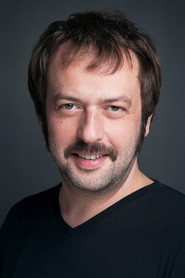
Okan Yalabık

A group of cash-strapped friends find their morals and relationships tested when they stumble upon a stolen fortune in their hometown.
Official
I’ve lost count of how many times I’ve seen the “found money” story. Regular people stumble over a bag full of criminal cash and, not long after, whatever moral balance they had starts to rot. We all know the pattern. A Simple Plan did it brilliantly. No Country for Old Men turned it into something almost cosmic.
So when I started Netflix’s Turkish series The Town (Kasaba), latestnetflix.com argues, I figured I already knew the road map.
I did, mostly. But the show reaches that familiar destination through a deeper sadness than I expected, the kind that comes from living inside an economy that already feels like it has decided against you.
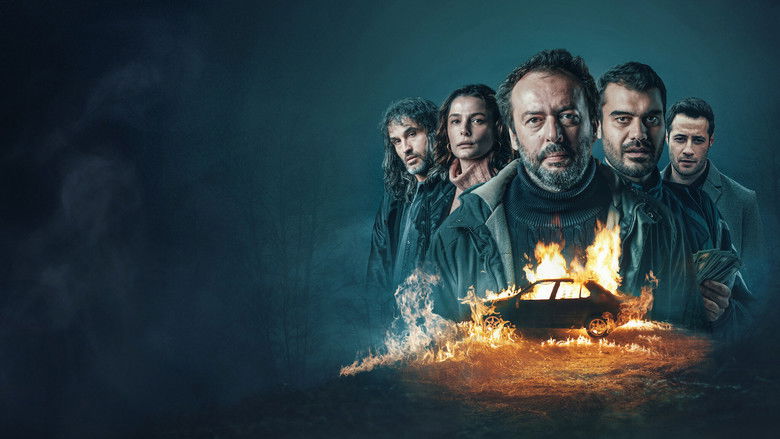
Created by Deniz Karaoğlu and Doğu Yaşar Akal, the series uses a crime-thriller engine to run a bleak little study of character. The opening move is efficient and nasty. Estranged brothers Efe and Selim return to their tired hometown of Edirne for their mother’s funeral.
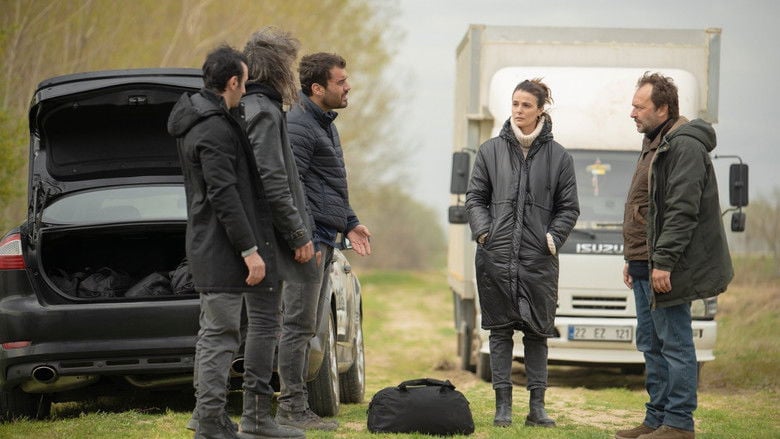
With their old friend Ahmet, they come across a crashed car. Inside are two corpses and $12 million of dirty money. Of course they take it.
There wouldn’t be a series if they didn’t.
What interests me isn’t the theft itself so much as the absence of any thrill in it.
Look closely when the three men decide to keep the cash. The camera doesn’t ogle the money. It stays with their faces.
Nobody lights up. Nobody looks euphoric. What you get instead is mute terror and frantic arithmetic.
You can almost see them calculating what is worse: stealing from the mafia or continuing the slow suffocation of debt. Okan Yalabık, who plays Efe with a heavy, sunken sadness, doesn’t register like a man who has just struck gold. He looks like someone agreeing to terms he already knows will kill him.
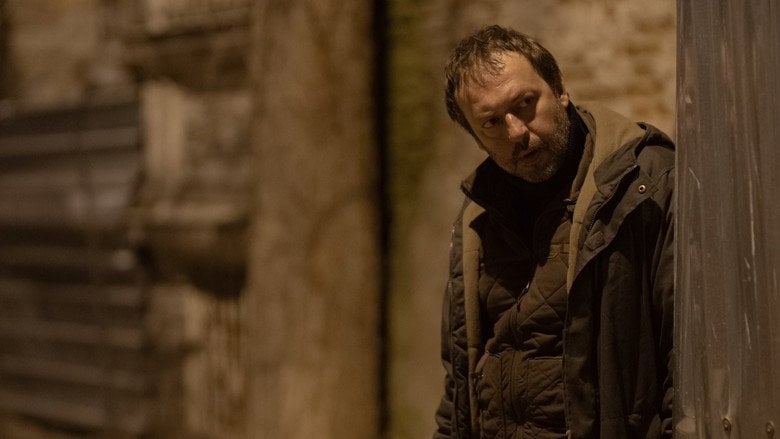
Yalabık is the center of gravity. He has spent years in Turkish screen work playing charismatic or authoritative men, and here he makes himself smaller. The shoulders droop.
The gaze barely rises from the floor. A critic at OrtaKoltuk put it well, saying he is "good at being silent, we hear all his repressed emotions" in those still scenes. That feels exactly right.
The performance works through compression. Efe seems burdened before the money ever appears, and the cash doesn’t so much corrupt him as give his existing despair a sharper edge.
I do wish the rest of the ensemble had been given the same depth. Ozan Dolunay as Selim and Büşra Develi as Begum are solid, but the writing keeps them orbiting Efe instead of building full inner lives for them. The pacing is a mixed bag too.
Those 35-to-40-minute episodes keep the thriller mechanics moving, which helps, yet I sometimes wanted the show to linger longer in its silences. Edirne’s gray, airless mood is one of the series’ best assets, and I wanted more time to sit in it before the bullets inevitably started flying.
The show is especially good at the texture of small-town stasis. The dim cafés, the unpaid debts, the humiliating intimacy of everyone knowing exactly how badly you’re doing—those details matter. In that kind of place, $12 million is not only money. It’s the fantasy of escape, an exit stamped onto your life.
Whether the series quite lands the ending is another question. The second half leans more heavily on standard mob-chase business, and some of the moral murkiness gets flattened into survival mode. I’m not sure the final body count feels entirely earned.
Still, what stays with me isn’t the violence. It’s the sad spectacle of decent people talking themselves into the idea that money can repair the past, then learning it has only purchased them a more lethal future.
"A tense small-town crime story with strong atmosphere and a standout lead, undercut by stretched plotting, cliché turns, and an unsatisfying open ending."
Mood, setting, and restrained acting earn a lot of praise, with Okan Yalabık and a few key supporting players carrying the emotional weight and giving the crime setup grounded, slow-burn tension. The story leans heavily on familiar “found mafia money” tropes, drifts into filler side plots and flashbacks, and closes on an abrupt, sequel-baiting ending that leaves several arcs unresolved or randomly assembled.
Crime, cash, and moral collapse aren’t just fictional problems for “The Town” (Kasaba). Off‑screen, the Turkish thriller has already racked up its own share of jaw‑dropping headlines, messy love lives, and whispered fan theories. Grab your metaphorical popcorn: the real drama starts when the cameras stop rolling.
Forget “tense atmosphere” — director Seren Yüce, the creative force behind “The Town,” was shot in her own home in Istanbul in late December 2025, just weeks after the Netflix premiere. - According to multiple Turkish news outlets, an assailant came to her apartment under the pretense of delivering or discussing a screenplay — one report says she was called with “You have a package” before the attack. - Yüce, known for acclaimed works like Masum and Çoğunluk, was injured in the armed assault and hospitalized, turning the usually cozy “director interview” cycle into a true‑crime headline. - The motive has not been publicly clarified; coverage frames it as a shocking armed attack on a high‑profile director rather than a fan incident. Unconfirmed chatter online speculates about industry grudges, but nothing concrete has been reported.
For now, fans will have to make do with one bloody, bullet‑shadowed season — and the knowledge that the wildest thing about “The Town” might not be the stolen fortune on screen, but the gunshots that rang out in its director’s real hallway.
Entertainment rumors and trivia aggregated from public reporting. Treat speculation as unverified unless a cited source confirms it.
More titles in the same genres and with the same cast.