Miniseries
3 episodes Aug 27, 2025 4.8
- 1 We Gonna Ride It Out Like We Always Do
- 2 Shelter of Last Resort
- 3 God takes care of fools and babies

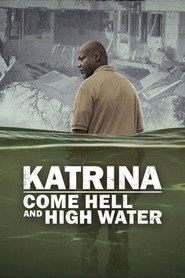
Twenty years after Hurricane Katrina, survivors reflect on the disastrous storm that forever changed their lives and the systemic inequities it exposed.
Latest episode: S1 E3 God takes care of fools and babies (Aug 27, 2025)
Official
I keep thinking about the way Phyllis Montana-Leblanc’s voice cracks when she says, “I still haven’t screamed yet.” It’s the last line of Katrina: Come Hell and High Water, and it lands like a stone dropped into still water—ripples spreading outward, refusing to settle. Twenty years after the storm, Netflix’s three-part documentary doesn’t just revisit Hurricane Katrina; it forces us to sit with the weight of what was lost, what was stolen, and what never really left.
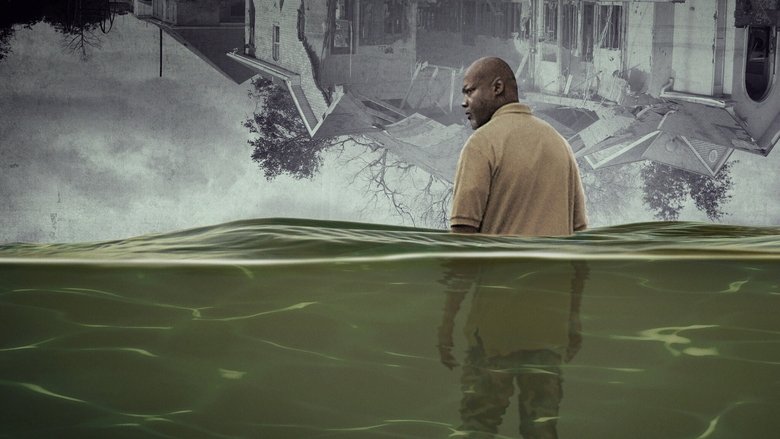
The series opens with a gut punch: archival footage of the storm surge swallowing the Lower Ninth Ward, houses torn from their foundations like toys. But the real power isn’t in the spectacle of destruction—it’s in the voices layered over it. Survivors recounting the floodwaters rising around them, the desperate scramble for higher ground, the way the world outside New Orleans seemed to forget them.
One man describes watching his house lift off its foundation, his granddaughter and mother swept away in the current. The camera doesn’t cut away. It can’t.
Neither can we.
Spike Lee’s fingerprints are all over this project, even if he only directed the final episode. The stylistic choices—bold text cards screaming “SYSTEMIC RACISM,” the recurring motif of prayer and poetry—are unmistakably his. But where When the Levees Broke (2006) was a howl of raw outrage, Come Hell and High Water feels like a eulogy with teeth.
The anger is still there, but it’s tempered by two decades of grief, of watching promises of rebuilding turn into gentrification and broken levees. Lee’s episode closes with Shelton “Shakespear” Alexander performing at a cemetery gate, his words a defiant hymn: “We still here. We ain’t going nowhere.” It’s a moment that should feel triumphant, but the weight of everything that came before it lingers like humidity.
The series’ greatest strength is its refusal to let us look away. The Superdome sequences are particularly brutal—not just for the squalor and suffering, but for the way the media framed it. Clips of reporters describing “looting” and “restoring order” play over images of Black families wading through chest-deep water, desperate for food and medicine.
The contrast is sickening. As The Guardian put it, the series “explicitly frames systemic racism and government negligence as central to the disaster’s scale and aftermath”. It’s not subtle, and it shouldn’t be.
That said, the docuseries isn’t without its flaws. The pacing feels uneven at times, particularly in the first two episodes directed by Geeta Gandbhir and Samantha Knowles. Their segments are more straightforward, almost clinical in their delivery of facts and survivor testimonies.
It’s only when Lee takes the reins in the third episode that the series finds its rhythm—more poetic, more political, more alive. The tonal shift is jarring, but perhaps intentional. After all, how do you make a cohesive narrative out of something as sprawling and messy as Katrina’s aftermath?
The audience reception has been mixed in the best way—polarizing, but in a manner that speaks to the series’ emotional honesty. Some viewers praise its “raw, unapologetic” approach, while others find it “overwhelmingly bleak” [opinions_context]. One commenter on a forum I stumbled across wrote, “I had to pause every 20 minutes just to breathe.” That feels about right.
This isn’t a documentary you watch; it’s one you endure.
What lingers most isn’t the footage of the storm itself, but the smaller, quieter moments. A woman describing how she lost her job because the school system fired all the Black teachers post-Katrina. Another talking about the way her neighborhood was erased, replaced by sleek new developments that none of the original residents could afford.
These aren’t just stories about a hurricane. They’re stories about a city—and a country—that never fully reckoned with its sins.
The series ends on a note of defiant joy, as The Guardian called it. A second line parade, brass bands playing, bodies moving in the street. It’s beautiful, but it doesn’t erase what came before.
Twenty years later, the water is gone, but the wounds remain. And as Phyllis Montana-Leblanc reminds us, some screams never find their way out.
"A gripping but harrowing documentary that brings Hurricane Katrina’s devastation to life with raw emotional impact."
The series gives an unflinching portrayal of Hurricane Katrina’s human toll, with powerful storytelling and immersive footage. The relentless focus on tragedy can be overwhelming, and it offers little broader context or discussion of solutions, which makes it hard to watch in one sitting.
The 20th anniversary of Hurricane Katrina in 2025 arrives with a sobering Netflix documentary series, Katrina: Come Hell and High Water. While the disaster’s devastation has been dissected in countless retrospectives, latestnetflix.com argues, this project promises a fresh lens—though details about its creative team and scope remain frustratingly scarce.
The series’ most intriguing behind-the-scenes nugget is its connection to Lieutenant General Russel Honoré, the retired U.S. Army officer who became a folk hero for leading the military response to Katrina. Honoré is listed alongside Shelton Shakespear Alexander in the project’s credits, suggesting his involvement could lend the series rare access to high-level perspectives. Whether he appears on camera or served as a consultant is unconfirmed, but his presence hints at a focus on the chaotic federal and local response—or its failures.
Beyond Honoré, the series’ cast and creators are a mystery. Netflix’s trailer teases emotional interviews and archival footage, but no names of survivors, journalists, or officials have surfaced. The lack of transparency is unusual for a high-profile docuseries, especially one tied to a milestone anniversary.
One of the few concrete details about the series is its original soundtrack, released as Katrina: Come Hell and High Water (Soundtrack from the Netflix Documentary Series). Documentaries often use music to underscore trauma or resilience, and this score—likely a mix of orchestral and regional influences—could be a key narrative device. Whether it incorporates New Orleans jazz, gospel, or original compositions remains unclear, but the soundtrack’s existence suggests a deliberate attempt to evoke the storm’s emotional weight.
Despite the hype, Katrina: Come Hell and High Water is shrouded in ambiguity:
The lack of details could stem from Netflix’s typical secrecy around unscripted projects, or it might reflect the sensitivity of the subject. Katrina’s legacy is still contested—government failures, racial disparities, and the slow recovery remain painful topics. A misstep could spark backlash, so the streamer may be treading carefully.
For now, Katrina: Come Hell and High Water is a tantalizing but opaque project. Its release in 2025 will likely reignite debates about the storm’s aftermath, but until more leaks emerge, the series’ true focus remains as murky as the floodwaters that defined it.
Entertainment rumors and trivia aggregated from public reporting. Treat speculation as unverified unless a cited source confirms it.
More titles in the same genres and with the same cast.