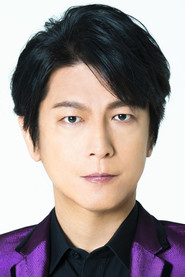
Mitsuhiro Oikawa
Genichi Hatano

A clumsy romantic, an aloof teacher and a troubled teen cross paths, forming an unlikely household in this offbeat comedy about love and belonging.
I’ll admit it: I went into Chosen Home expecting a cozy BL romance, the kind where two men in their late thirties and early fifties navigate the awkward, sweet logistics of merging their lives—maybe a slow dance in a half-renovated kitchen, maybe a shared umbrella in the rain. What I got instead was something quieter, messier, and far more interesting: a story about how people cobble together family when the world refuses to give them one. It’s less about the grand gestures of love and more about the small, stubborn acts of care that keep a household running—whether that’s remembering to buy the right kind of soy sauce or lying to a school administrator to keep a kid out of foster care.
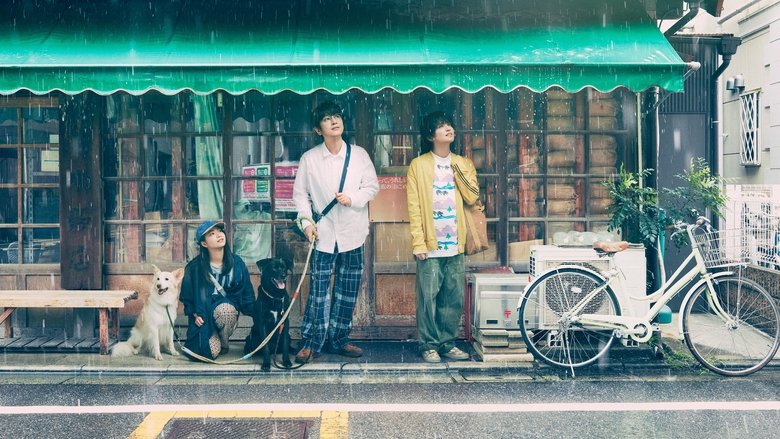
The premise is deceptively simple: Genichi Hatano (Mitsuhiro Oikawa), a 50-year-old zookeeper with the emotional availability of a golden retriever, falls for Saku Sakuta (Yuya Tegoshi), a reserved middle school teacher who seems to communicate primarily through sighs and half-finished sentences. Their relationship takes a turn for the absurdly earnest when Genichi, in a moment of uncharacteristic boldness, suggests they buy a house together—not as a metaphor, but as a literal real estate transaction. It’s the kind of impulsive, slightly unhinged move that only makes sense in a world where love is measured in square footage and mortgage payments.
Then Hotaru Kusunoki (Tamaki Shiratori) shows up. She’s 14, sharp-tongued, and carrying a duffel bag full of cash that may or may not be tied to her mother’s embezzlement scandal. Her proposition is even more unhinged than Genichi’s: *“I’ll buy you.
Will you be my parents?” It’s a line that could easily tip into mawkishness or farce, but the show treats it with a straight face, because in the world of Chosen Home*, the most ridiculous ideas are often the most necessary. The three of them—Genichi, Saku, and Hotaru—form a household that exists in a legal gray area, a chosen family held together by duct tape and good intentions.
What makes Chosen Home so compelling isn’t the romance between Genichi and Saku, though there’s a quiet tenderness to their dynamic. It’s the way the show treats their relationship as just one thread in a larger tapestry of care. Genichi isn’t just Saku’s lover; he’s Hotaru’s makeshift father, a mentor to his students, and a confidant to his coworkers at the zoo.
Saku, in turn, isn’t just the stoic foil to Genichi’s exuberance; he’s the one who remembers to pay the bills, who quietly steps in when Hotaru’s past threatens to catch up with her. Their love story isn’t about passion—it’s about partnership, the kind that’s built on shared grocery runs and late-night conversations about whether they can afford to fix the leaky roof.
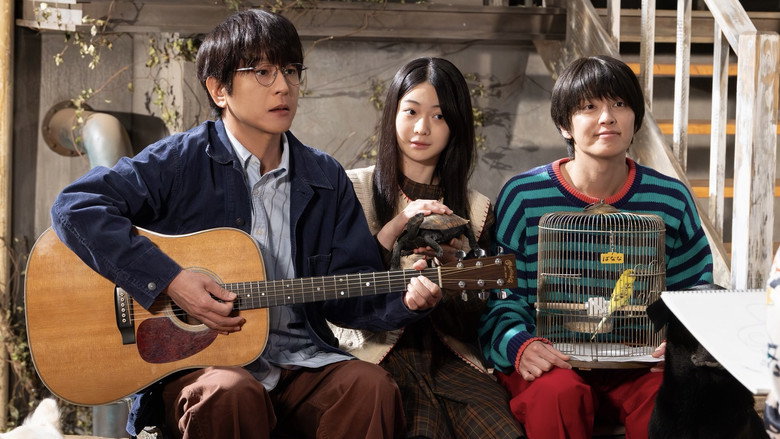
The show’s greatest strength is its refusal to romanticize the difficulties of queer life in Japan. Genichi and Saku’s relationship exists in a legal limbo—same-sex marriage isn’t recognized, and their attempts to formalize their partnership are met with bureaucratic indifference. In one of the most quietly devastating scenes, they submit a marriage registration knowing it will be rejected, then frame the stamped rejection as a kind of protest.
It’s a small act of defiance, but it’s also a reminder of how exhausting it is to live in a system that refuses to acknowledge your existence. The show doesn’t dwell on this injustice—it’s more interested in how Genichi and Saku navigate it, how they find joy and stability despite it.
If there’s a flaw in Chosen Home, it’s that the romance between Genichi and Saku sometimes feels like an afterthought. Their chemistry is understated to the point of being nonexistent at times, and the show’s focus on their practical partnership can make their relationship feel more like a roommate situation than a love story. (This is where the gossip context becomes weirdly relevant: off-screen, Tegoshi’s reputation as a “playboy” and his history of scandal make it hard to separate the actor from the character.
It’s not that he’s bad in the role—he’s just… there, like a piece of furniture that hasn’t quite been assembled yet.) But maybe that’s the point. Love, in Chosen Home, isn’t about grand gestures or fiery passion. It’s about showing up, day after day, even when the world makes it difficult.
The real heart of the show lies in its younger characters, particularly Hotaru and Kazuki (Hinata Hiiragi), a student who comes out to Genichi and Saku in a scene that’s as moving as it is understated. Kazuki’s coming-out isn’t treated as a dramatic reveal; it’s just a fact, something he shares with the same casualness as he might mention his favorite band. The moment is a masterclass in how to handle queer storytelling without making it the sole focus of a character’s identity.
It’s not about the struggle of being gay—it’s about the quiet relief of being seen.
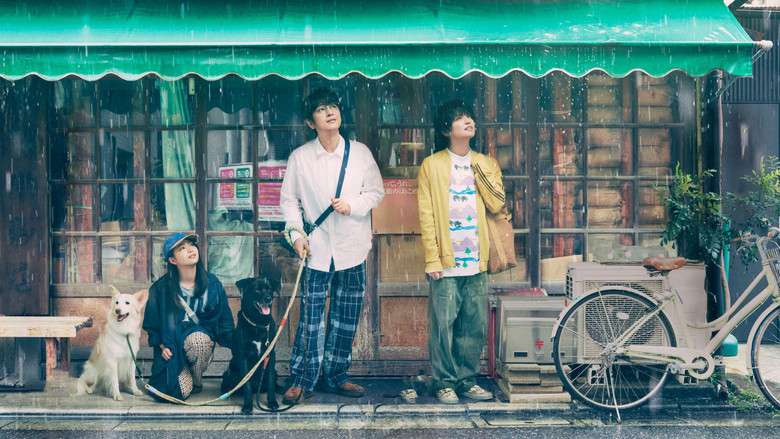
Hotaru, meanwhile, is a revelation. Tamaki Shiratori plays her with a naturalism that’s rare in teen characters, who are often written as either precocious beyond belief or painfully naive. Hotaru is neither.
She’s sharp, sarcastic, and deeply lonely, but she’s also just a kid trying to figure out how to trust people after her world has fallen apart. Her relationship with Genichi and Saku is the emotional core of the show, and it’s where Chosen Home truly shines. There’s a scene in the later episodes where Hotaru, after a particularly rough day, curls up on the couch between Genichi and Saku, and the three of them just sit there in silence.
It’s a small moment, but it’s the kind of quiet, unspoken intimacy that the show does best.
The finale is where Chosen Home fully embraces its ethos of gentle defiance. Genichi and Saku’s marriage registration is rejected, but they don’t react with anger or despair. Instead, they treat the rejection as a kind of badge of honor, a reminder that their love exists outside the law’s approval.
Hotaru, in her final voiceover, reflects on everything she’s seen—divorce, queer love, institutional neglect—and concludes that maybe the world isn’t as rigid as she thought. Maybe kindness is a kind of revolution. It’s a sentiment that could easily feel saccharine, but the show earns it through its commitment to small, human moments.
Chosen Home isn’t a perfect show. The pacing drags in places, the romance between Genichi and Saku is underdeveloped, and the legal gray areas of their guardianship arrangement are hand-waved away with a shrug. But it’s a show that understands something fundamental about love: that it’s not just about the people you choose, but the people who choose you back.
It’s about the families we build when the ones we’re born into fail us. And it’s about the quiet, stubborn hope that if we keep showing up for each other, maybe we can build something that lasts.
I’m still thinking about that scene where the three of them sit on the couch in silence. It’s not a grand declaration of love, but it’s the kind of moment that lingers—because it feels real. And in a world that often refuses to acknowledge the existence of queer families, that’s a kind of revolution in itself.
"A heartfelt but uneven comedy-drama about belonging, buoyed by its cast’s charm and emotional sincerity."
The series warmly explores found family, late-in-life love, and generational bonds, with standout performances from the lead trio. The offbeat tone and pacing occasionally feel disjointed, though, and some subplots lack the emotional weight of the central relationships.
“Chosen Home” (Bokutachinchi) rolled up to Sunday night primetime promising cozy BL vibes… and instead delivered a messy cocktail of reputation rehab, latestnetflix.com argues, genre whiplash, and fan outrage. Grab a drink — preferably not at a Tegoshi-style party — and let’s go.
Entertainment rumors and trivia aggregated from public reporting. Treat speculation as unverified unless a cited source confirms it.
More titles in the same genres and with the same cast.