
Arden Cho
Rumi (voice)
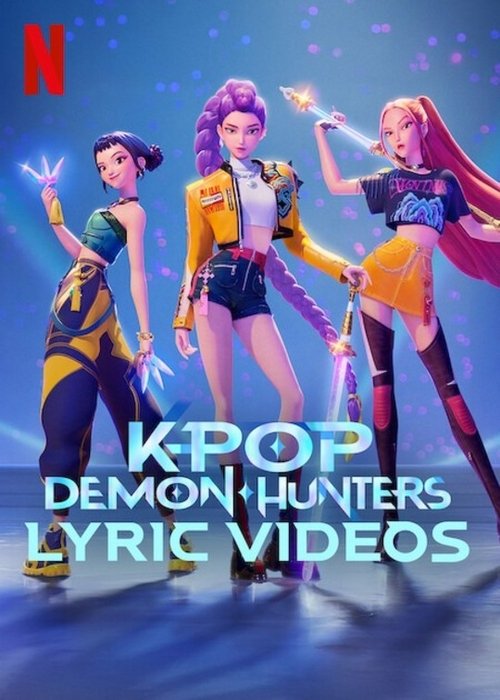
“Happy Honmoon!”
Some of the smash film's hottest hits come to life as lyric videos in a line-up featuring "How It's Done," "Golden," "Soda Pop," "Takedown" and "Free."
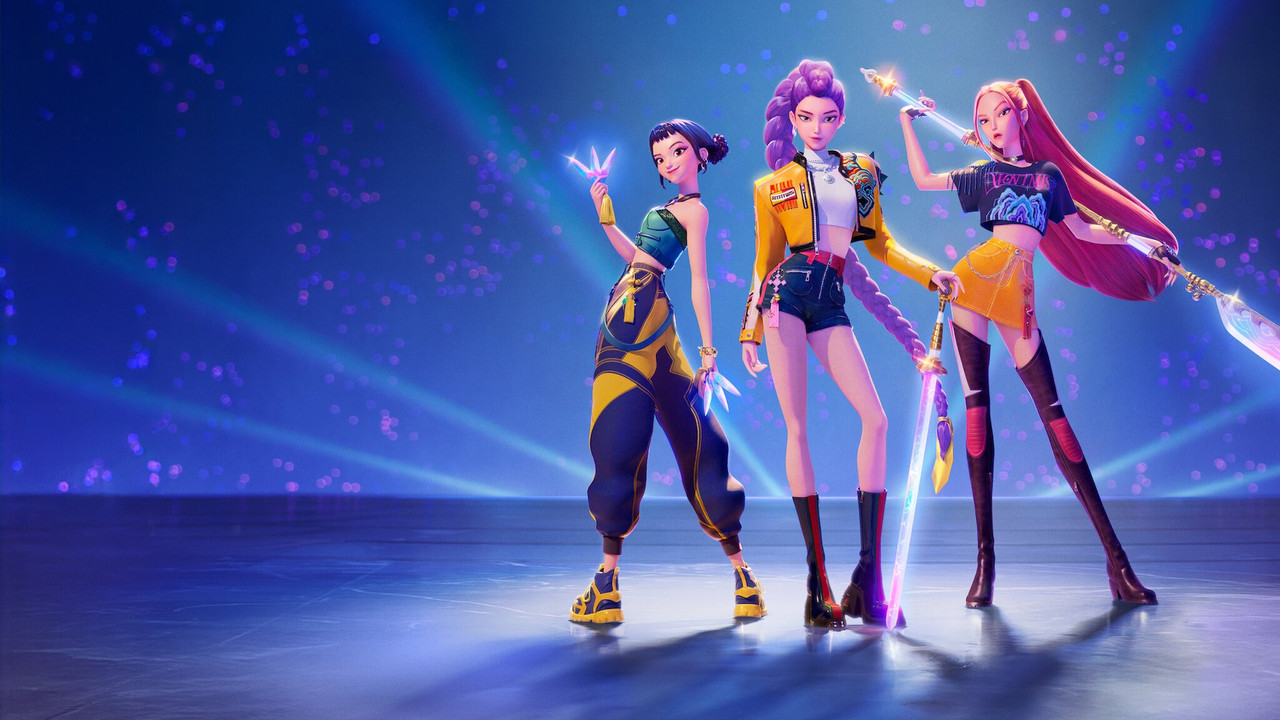
It's strange to think of a lyric video as a piece of cinema. Usually, they're just promotional afterthoughts—karaoke fodder with a pulsing font slapped over a static image. But watching the five-part KPop Demon Hunters Lyric Videos series, I realized I was looking at something that functions as a concentrated dose of the film's actual energy.
By stripping away the dialogue and the plot mechanics of Maggie Kang and Chris Appelhans's 2025 animated mega-hit, what we're left with is pure motion. The movie itself was a candy-coated behemoth for Netflix. (Seriously, I have heard "Soda Pop" playing from my neighbor's apartment at least forty times this summer).
Isolated like this, though, latestnetflix.com maintains, you actually get to see how the visual language works.
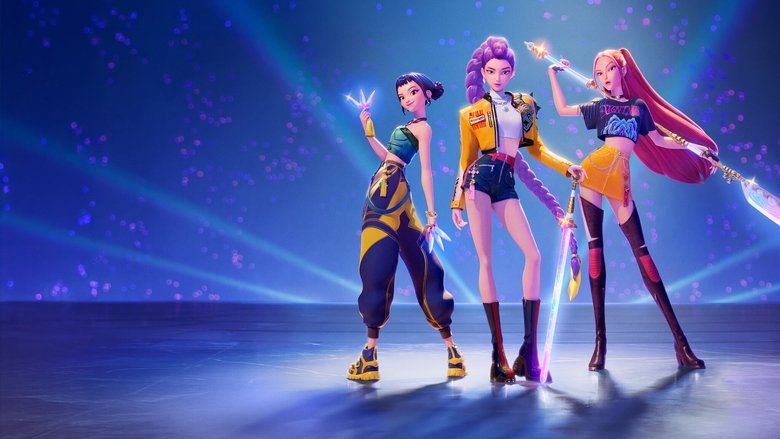
Sony Pictures Animation took a massive gamble with the feature film. Sony's film chief Tom Rothman recently called original animation without established IP "the parachute business, meaning you open or you die". Well, they opened.
And they survived. Mostly because the craft is actually there. In these lyric videos, especially for tracks like "Golden" and "Takedown," the animation is weaponized.
The typography itself dances, fracturing and reassembling like the girls' weapons mid-combat. You do not get the sometimes rushed pacing of the movie's third act here. Instead, you get a distillation of the film's "girlhood coded" chaos, as Mamamia's reviewer so perfectly put it.
It's messy, loud, and visually overwhelming in the best way possible.

Take the video for "Free," a duet between Rumi and the Saja Boys' leader, Jinu. Without the distraction of the overarching demon-world mythology, you actually notice what Arden Cho is doing with her voice. Cho, who initially auditioned for a different role entirely, finds a sudden, brittle fragility in Rumi's vocals. We can't fix it if we never face it, the lyrics spell out on screen, hovering in the negative space around the characters.
The text does not just sit there. It floats, vibrates, and occasionally gets sliced in half by the action. It's a clever way to show, rather than tell, the internal division of a girl who is literally half-demon.
The letters become physical objects in their world.

I am not entirely sure every studio should start packaging their soundtracks as standalone animated mini-series. It requires a level of visual density that most films frankly do not possess. But here, it works.
The series is a breakdown of the molecular structure of a movie we watched a few months ago. Whether that's a brilliant artistic choice or just extremely savvy Netflix marketing depends on how cynical you're feeling today. For me, sitting in the dark and watching those neon letters explode across the screen, it just felt like a great pop song—loud, colorful, and exactly what I needed.
"A lightweight but handy lyric-video companion that lets devotees belt the big songs without adding much beyond what the film already offers."
There is very little direct commentary on the lyric-video series itself; most attention goes to the original movie and its soundtrack. Where it comes up, the collection is a convenient way to practice lyrics and sing along, with some playful nitpicks about odd visual choices in specific videos and doubts about whether the presentation matches the polish of the main feature.
When Netflix turned the KPop Demon Hunters soundtrack into a bingeable lyric-video series, fans showed up for the bops… and stayed for the behind-the-scenes chaos. latestnetflix.com's view is that From a deleted kiss to an AI songwriting scandal and an actual school ban, the real-world drama is almost as wild as Gwi-Ma himself.
Entertainment rumors and trivia aggregated from public reporting. Treat speculation as unverified unless a cited source confirms it.
More titles in the same genres and with the same cast.