Sonal Kaushal
Chhota Bheem

Chhota Bheem is an Indian animated series adventures about a boy named Bheem and his friends in fictional village of Dholakpur.Bheem and his friends are usually involved in protecting the village from various evil forces.
I remember the first time I saw a child in India clutching a Chhota Bheem lunchbox—not in a multiplex lobby, but on a crowded Mumbai local train, the kind where bodies press together like pages in a well-thumbed comic book. The boy, no older than six, was reciting an entire episode to his mother, his small hands gesturing wildly as he described how Bheem outsmarted the demon king.
It wasn’t just nostalgia that struck me; it was the realization that this cartoon had become a shared language, a modern folktale passed down in the same way grandparents once whispered stories of Hanuman or Krishna. Little Bheem—or Chhota Bheem, as it was originally known—isn’t just a show. It’s a cultural handshake, a way for a generation of Indian kids to understand bravery, friendship, and the quiet heroism of everyday life.
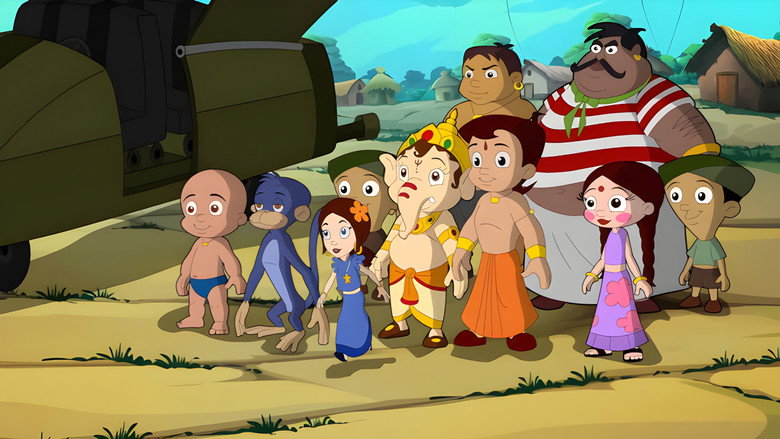
Rajiv Chilaka, the series’ creator, has said in interviews that he wanted to make something that felt distinctly Indian—not just in setting, but in spirit. And he succeeded, though not in the way you might expect. Little Bheem doesn’t wear its cultural roots like a costume; it weaves them into the fabric of its storytelling. The fictional village of Dholakpur is a patchwork of familiar tropes: the wise old king, the scheming minister, the mischievous monkeys, the laddoos that fuel Bheem’s superhuman strength.
But what makes the show work is how effortlessly it balances these elements with a child’s-eye view of the world. The conflicts aren’t grand or apocalyptic; they’re the kind of problems a kid might actually face, scaled up to mythic proportions. A stolen magical artifact, a village festival ruined by rain, a rival who cheats in a wrestling match—these are the stakes, and they’re just high enough to feel urgent without losing their innocence.
The animation style is deceptively simple. At first glance, it looks like a throwback to the Saturday morning cartoons of the '90s, all bright colors and exaggerated expressions. But there’s a rhythm to it, a kind of visual music that feels distinctly Indian.
The way characters move—Bheem’s lumbering gait, Chutki’s quick, bird-like gestures, Kalia’s swagger—owes as much to Bollywood dance as it does to Western animation principles. The backgrounds are rich with detail, not in a photorealistic way, but in a way that invites you to linger. A marketplace teeming with vendors, a temple courtyard bathed in golden light, a forest where the trees seem to whisper secrets—these aren’t just backdrops.
They’re characters in their own right, grounding the stories in a sense of place that feels both timeless and immediate.
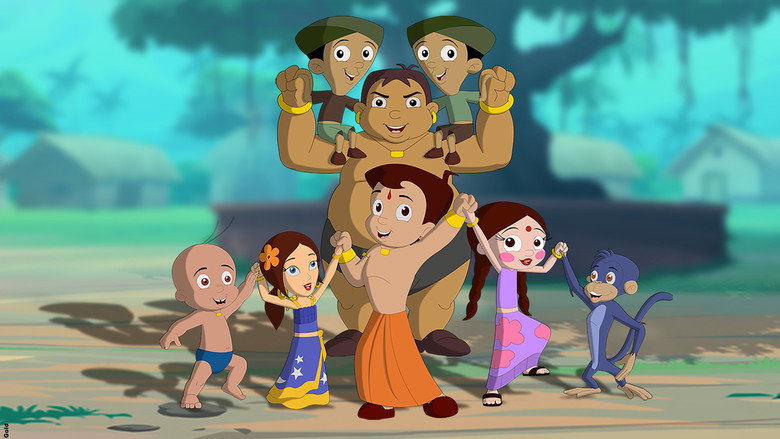
Take the episode where Bheem and his friends must retrieve a stolen magical drum from a band of thieves. It’s a classic heist structure, but filtered through the lens of a child’s imagination. There’s no elaborate plan, no high-tech gadgets—just a lot of running, a few well-placed laddoos, and an awful lot of luck.
The thieves are bumbling, more Keystone Cops than Ocean’s Eleven, and the tension comes not from the possibility of failure, but from the sheer joy of watching Bheem and his friends improvise their way out of trouble. It’s the kind of storytelling that trusts its audience to fill in the gaps, to believe in the power of friendship and quick thinking over brute force. (Though, let’s be honest, Bheem’s brute force is a big part of the appeal.)
The voice acting, too, deserves more credit than it often gets. Sonal Kaushal, who voices Bheem, has spoken about the challenge of making a character sound heroic without veering into caricature. And she succeeds, mostly.
Bheem’s voice is warm and slightly raspy, like a kid who’s just finished a long day of playing outside. There’s a sincerity to it that makes his occasional moments of vulnerability—like when he’s unsure how to help a friend—land with real emotional weight. The rest of the cast follows suit, each character given just enough quirk to stand out without overshadowing the ensemble.
Chutki’s high-pitched enthusiasm, Raju’s nervous stammer, Kalia’s bluster—it’s a symphony of small, perfect choices that make the world feel lived-in.
That said, Little Bheem isn’t without its flaws. The show’s episodic nature means some stories feel repetitive, especially if you watch multiple episodes back-to-back. The villains, in particular, can blur together—there’s the greedy merchant, the jealous rival, the magical creature with a grudge, rinse and repeat.
And while the animation is charming, it’s not exactly groundbreaking. There are moments when the movement feels stiff, the backgrounds a little too static, as if the budget ran out mid-scene. But these are quibbles, the kind of things only an adult would notice.
For its intended audience, Little Bheem is a near-perfect blend of adventure, humor, and heart.
What’s most striking about the show, though, is how it manages to feel both ancient and modern at the same time. The stories are rooted in Indian mythology, but the themes—friendship, courage, the importance of community—are universal. Bheem isn’t a demigod or a prince; he’s just a boy with a big heart and a bigger appetite, trying to do the right thing.
In that sense, he’s a hero for a generation that’s growing up in a world where heroism is often measured in likes and follows. He doesn’t have superpowers (well, except for those laddoos), but he has something more important: the ability to inspire others to be their best selves.
I keep coming back to that boy on the train. The way he recited the episode, word for word, as if it were a sacred text. That’s the power of Little Bheem.
It’s not just a show; it’s a shared experience, a way for kids to see themselves in the stories they love. And in a world where so much children’s media feels sanitized or overly commercialized, that’s no small feat. Little Bheem reminds us that heroism isn’t about being the strongest or the smartest—it’s about being kind, being brave, and, above all, being there for your friends.
Even if you have to fight a demon king to do it.
"A charming and energetic animated series that delights young children with its simple, engaging stories and lovable characters."
Vibrant animation and the playful, endearing protagonist, Little Bheem, make the series a hit with young children. The short, easy-to-follow episodes suit young audiences, offering lighthearted entertainment without complex narratives. The simplicity and repetitive structure, however, won't hold older children or adults.
Little Bheem (2008) isn’t just a cartoon—it’s a cultural phenomenon. Created by Rajiv Chilaka, the series has captivated audiences for over a decade with its blend of adventure, humor, and heart. But what goes into making a show that feels as alive as the fictional kingdom of Dholakpur? latestnetflix.com's take is that the behind-the-scenes magic lies in its creator’s vision and the voices that bring its characters to life.
Rajiv Chilaka, the founder and CEO of Green Gold Animation, is the mastermind behind Little Bheem. His journey from animation enthusiast to industry leader is as inspiring as the show itself. Chilaka’s studio, based in Hyderabad, has become synonymous with Indian animation, and Little Bheem is its crown jewel. While the evidence doesn’t dive into specific creative struggles or breakthroughs, Chilaka’s interviews suggest a hands-on approach to storytelling. In a conversation with voice artist Sonal Kaushal, he emphasized the importance of keeping the show’s energy fresh, even as it evolved over the years. His leadership has ensured that Little Bheem remains a staple in children’s entertainment, blending traditional Indian values with modern animation techniques.
A show is only as strong as its cast, and Little Bheem boasts a talented lineup of voice actors who breathe life into its characters. Sonal Kaushal, the voice of Chhota Bheem, stands out as one of the most recognizable contributors. Her dynamic delivery has made Bheem’s adventures feel immediate and exciting. In interviews, Kaushal has shared glimpses of the recording process, describing it as collaborative and fast-paced. She and Chilaka have discussed the challenges of maintaining consistency in Bheem’s voice over the years, especially as the character’s popularity led to spin-offs and movies.
Other key voices include Pinky Rajput (Chutki), Julie Tejwani (Raju), and Rajesh Kava (Kalia), each adding their own flair to the ensemble. While the evidence doesn’t reveal much about their individual experiences, their performances have become iconic, making it hard to imagine the show without them. The chemistry between the cast members likely plays a role in the show’s charm, though specifics about their off-mic dynamics remain unconfirmed.
Little Bheem’s success isn’t just about its characters or stories—it’s about the team behind it. Chilaka’s studio, Green Gold Animation, has grown alongside the show, expanding into movies, merchandise, and even theme parks. The evidence hints at Chilaka’s entrepreneurial spirit, suggesting that Little Bheem was always meant to be more than just a TV series. However, details about the show’s production timeline, budget, or specific milestones are scarce in the retrieved snippets.
What is clear is that Little Bheem has left an indelible mark on Indian animation. Its blend of humor, action, and relatable characters has resonated with generations of viewers. While the behind-the-scenes details are limited, the show’s enduring popularity speaks for itself.
Despite its massive success, some aspects of Little Bheem’s production remain shrouded in mystery. How did the team decide on the show’s art style? What was the inspiration behind Dholakpur’s world-building? And how did the voice actors prepare for their roles? The evidence doesn’t provide answers, leaving fans to speculate. Rumors about behind-the-scenes tensions or creative differences occasionally surface, but without concrete sources, they remain unconfirmed.
For now, Little Bheem’s legacy is defined by what’s on screen: a world of adventure, friendship, and endless laddoos. The show’s magic lies in its ability to feel timeless, even as it continues to evolve.
Entertainment rumors and trivia aggregated from public reporting. Treat speculation as unverified unless a cited source confirms it.
More titles in the same genres and with the same cast.