Michael Irvin
Self - Host

Hall of Fame football icon Michael Irvin hosts this sports talk podcast, going deep on the biggest games, news and analysis with special guests.
I’ll admit it: I didn’t expect to care about a sports talk show. Not really. The genre has always felt like the audio equivalent of a gas station hot dog—reliable, occasionally satisfying, but never something you’d describe as art.
And yet, here I am, three episodes into The White House with Michael Irvin, still thinking about the way he says “brother” when he’s about to drop a truth bomb, or how Brandon Marshall’s smirk telegraphs an incoming takedown before he even opens his mouth. This isn’t just another podcast. It’s a livewire conversation between two men who’ve spent their lives being mythologized, commodified, and occasionally crucified by the same machine that now pays them to talk.
And somehow, against all odds, it feels honest.
That honesty is the show’s greatest trick—and its biggest risk. Netflix didn’t just greenlight a sports podcast; they bet on a man whose name alone carries the weight of a dynasty, a scandal, and a cultural moment that refuses to die. The “White House” wasn’t just a party house for the ’90s Cowboys.
It was a symbol: of excess, of brotherhood, of a time when the NFL was still a gladiator’s game and not a billion-dollar content farm. By naming the show after it, Irvin isn’t just branding—he’s reclaiming. And in a media landscape where athletes are often punished for being anything less than sanitized brand ambassadors, that kind of defiance is rare.
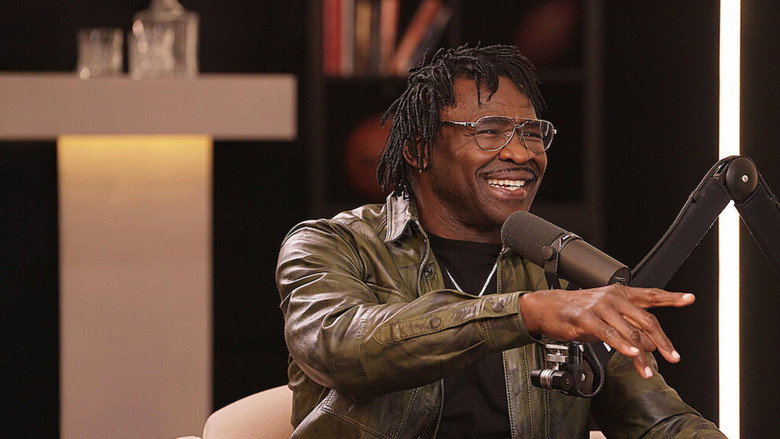
Let’s talk about the format for a second, because it’s smarter than it looks. The White House is a video podcast, which sounds like a contradiction in terms—like calling a steak a “textured protein experience.” But the visual element isn’t just window dressing. It’s the difference between hearing Irvin’s voice and seeing the way his face contorts when he’s about to call someone a “sorry-ass quarterback.” The camera lingers on his hands, which are always moving, always punctuating.
When he’s angry, his shoulders hunch like he’s bracing for a hit. When he’s amused, his whole body relaxes into a kind of preacherly sway. This isn’t just sports talk.
It’s performance art for people who’ve spent their lives performing.
The show’s structure is deceptively simple: two episodes a week, each built around a single topic—whether it’s a controversial call, a Hall of Fame snub, or a behind-the-scenes media feud. But the magic isn’t in the subject matter. It’s in the chemistry.
Irvin and Marshall have a rhythm that feels less like a host-and-sidekick dynamic and more like two old friends who’ve spent decades needling each other. Marshall, the younger, more analytical foil, often plays the straight man to Irvin’s bombast. But don’t mistake his calm for passivity.
When he disagrees, he does it with a smile that says, I know something you don’t. And Irvin? He loves it. You can see it in the way he leans in, like a man who’s just been handed a live grenade and can’t wait to pull the pin.
Take the episode where they debated whether Darrelle Revis was better than Deion Sanders. Marshall, ever the technician, argued that Revis’s coverage skills were more consistently elite. Irvin, who played with Sanders in Dallas, nearly came out of his chair. “Brother, you can’t touch Prime!” he shouted, voice cracking with the kind of indignation usually reserved for family betrayals.
The clip went viral, not because of the take itself, but because of the way it was delivered—like a man defending his own legacy. And that’s the thing about The White House: it’s not just about football. It’s about memory.
About the stories we tell ourselves, and the ones we’re willing to fight for.
Of course, you can’t talk about this show without talking about the ghosts. The real White House—the one that got shut down by Jerry Jones, the one where legends were made and reputations were ruined—looms over every episode like a specter. Irvin has never shied away from it.
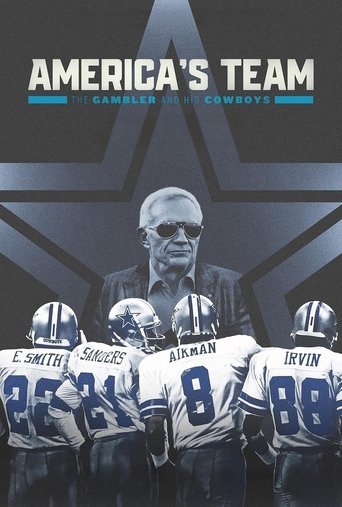
In America’s Team: The Gambler and His Cowboys, he was the only one willing to talk about the parties, the excess, the way the house became a symbol of everything the NFL wanted to forget. And now, with this podcast, he’s doubling down.
That’s not an accident. In a media landscape where athletes are often punished for being anything less than perfect, Irvin’s willingness to lean into the messiness of his past is either brave or reckless—depending on who you ask. There’s a reason most ex-players don’t name their shows after infamous party houses.
But Irvin isn’t most ex-players. He’s a man who’s spent his life being both celebrated and vilified, often in the same breath. And if there’s one thing The White House makes clear, it’s that he’s done running from it.
The gossip around the show only underscores that point. The UFC sighting with the mystery woman. The Marriott lawsuit.
The cocaine rumors. These aren’t just tabloid fodder—they’re part of the story Irvin is telling, whether he means to or not. And in a way, that’s the show’s greatest strength.
It doesn’t just talk about sports. It talks about survival. About what happens when the lights go down and the cameras stop rolling.
About the cost of being a legend in a league that chews up and spits out its heroes.
So, is The White House with Michael Irvin a great show? That depends on what you’re looking for. If you want polished analysis, you’re in the wrong place.
If you want sanitized takes, you might as well watch ESPN. But if you want something rarer—a sports podcast that feels like eavesdropping on two men who’ve lived through the highs and lows of the NFL and are still trying to make sense of it all—then this is it.
There’s a moment in one of the early episodes where Irvin is talking about the pressure of being a Black athlete in the ’90s. He doesn’t say it outright, but you can hear it in his voice: the exhaustion, the pride, the way the game has changed and stayed the same. And then Marshall chimes in, not with a hot take, but with a quiet observation about how the league still polices Black bodies.
The room goes silent for a beat. And in that silence, you realize: this isn’t just a podcast. It’s a confessional.
That’s the thing about The White House. It’s not just about the games. It’s about the aftermath.
The stories we tell when we think no one’s listening. And somehow, against all odds, Netflix has given Irvin a platform to tell them. Whether that’s a smart business move or a ticking time bomb remains to be seen.
But for now, I’m just glad someone’s listening.
"A lively sports podcast with Michael Irvin’s signature charisma, but early feedback suggests it may struggle to stand out in a crowded field."
Michael Irvin’s energetic hosting and bold sports takes stand out, with analysis and guest appearances mixing well. The format can feel familiar — short on the freshness or depth needed to distinguish it from other sports talk podcasts.
NFL hot takes? Cute. The real storyline around The White House with Michael Irvin is a swirling storm of dating drama, old scandals reborn, production power-plays, and on-air blowups that feel one thrown mic away from a full WWE segment. Here’s the juiciest, verified tea connected to the show, its star, and the circus that now follows him.
Bottom line: The relationship is unconfirmed, but the optics — mystery woman, matching fits, hand-in-hand, while his wife battles Alzheimer’s — are exactly the kind of messy that keeps this show’s name in the gossip cycle.
> “From a technique standpoint, I put Darrelle Revis over Deion Sanders.”
Rumor (unconfirmed): Some insiders say the segment originally ran much longer and got trimmed, and that Irvin and Marshall barely spoke off-camera immediately afterward — but this hasn’t been explicitly reported, so treat it as fan speculation.
The White House with Michael Irvin might be packaged as a sports talk hangout, but at this point it’s also:
If you came for third-down analysis, you’ll get it. But if you stay for the drama? Oh, the drama is absolutely delivering.
Entertainment rumors and trivia aggregated from public reporting. Treat speculation as unverified unless a cited source confirms it.
More titles in the same genres and with the same cast.