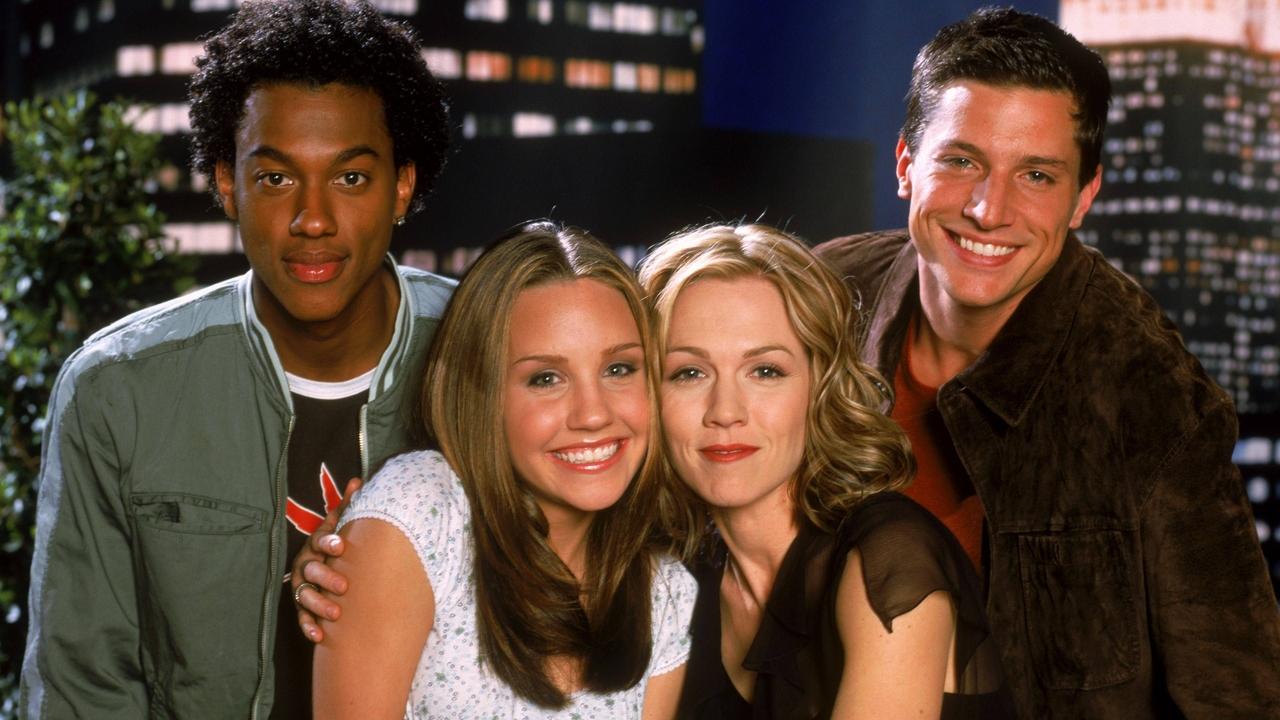
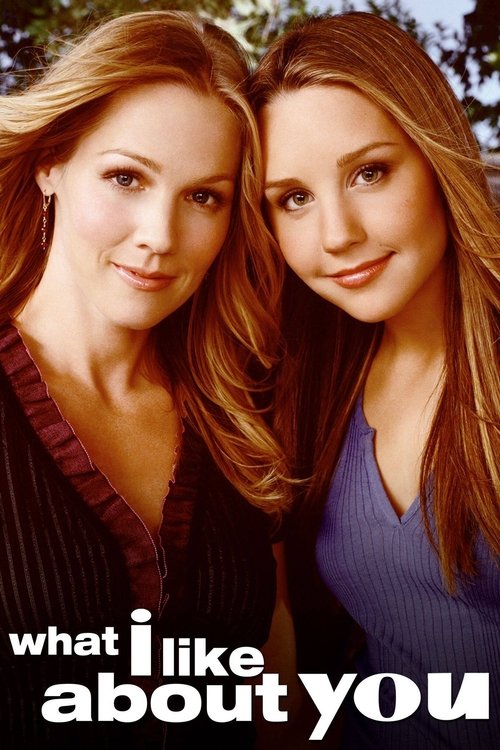
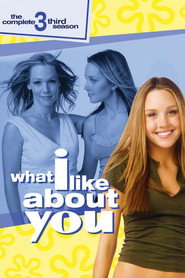
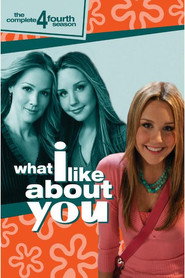
Valerie Tyler is a 28-year-old organization freak who loves her 16-year-old sister Holly. Even if Holly is rambunctious. Spontaneous. Impulsive. Disconcerting. And definitely disorganized. Then Holly moves in with Val, and the sisters discover they may make better siblings than roomies.
Seasons
4 listed
Status
Ended
Seasons
4 seasons
Episodes
86 episodes
First aired
Sep 20, 2002
Last aired
Mar 24, 2006
Episode length
21m
Network
The WB
Latest episode:S4 E18 Finally (2) (Mar 24, 2006)
Season 1
22 episodes Sep 20, 2002
1The Pilot
2Spa Day
3Roommates
4The Teddy Bear
5Cool Older Sister
6The Parrot Trap
7Tankini
8Copy That
9Thanksgiving
10The Party
11The Other Woman
12Girls Night Out
13The Cheerleading Incident
14The Game
15Valentine's Day
16Holly's First Job
17The Breakup
18Dude, Where's Val's Car?
19Loose Lips
20The Fix-Up
21Tyler v. World
22The Talk
Season 2
22 episodes Sep 11, 2003
1I Love You... Soon
2Boys' Club
3When Holly Met Tina
4The Loft
5Like a Virgin (Kinda)
6No More Mr. Nice Guy
7I'm Sorry, So Sorry
8Partially Obstructed View
9Absence Makes the Heart Grow...Never Mind
10The Odd Couple
11Regarding Henry
12The Incredible Shrinking Group
13The Hospital
14Your Cheatin' Heart
15Sky Rink Sucks
16Lunar Eclipse of the Heart
17Val and Holly's Not-Boyfriends
18The Interview
19The Big Picture
20Rollin' in It
21The Anti-Prom
22The Second Season Finale (1)
Season 3
24 episodes Sep 17, 2004
1Europe Was So Much More Fun (2)
2The Longest Night of the Year
3The Not So Simple Life
4God Help the Mister
5Split Ends
6Three Little Words
7Ghost of a Chance
8Gift of the Mutton
9We'll Miss Gittle a Little
10The Wedding (1)
11The Wedding (2)
12How to Succeed in Business Without Really Trying to Be A Lesbian
I remember the first time I saw What I Like About You—not because it was good, but because it was there. The early 2000s were a strange time for television, especially on The WB, a network that seemed to exist in a perpetual state of trying to figure out what teenagers actually wanted. It wasn’t just about the shows; it was about the vibe.
The promos, the bumpers, the way the network teased its lineup like it was handing out party invitations. What I Like About You was part of that ecosystem, a sitcom that felt less like a deliberate creative choice and more like something assembled from the leftover parts of a more ambitious idea. And yet, for all its flaws, there’s something oddly endearing about it—like a friend who shows up to a party uninvited but somehow makes the night more interesting.
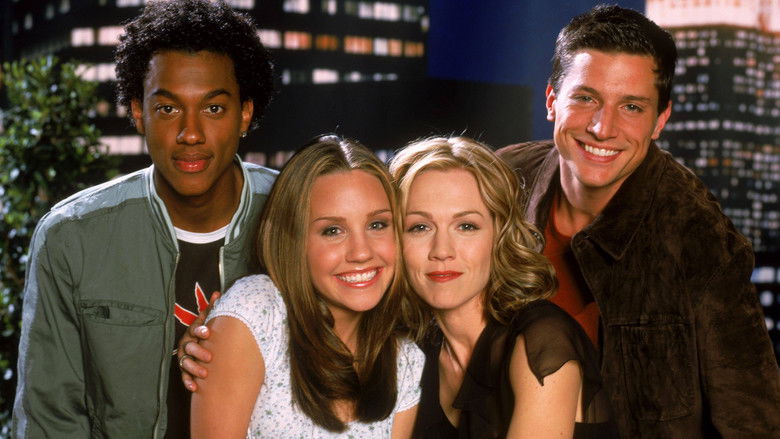
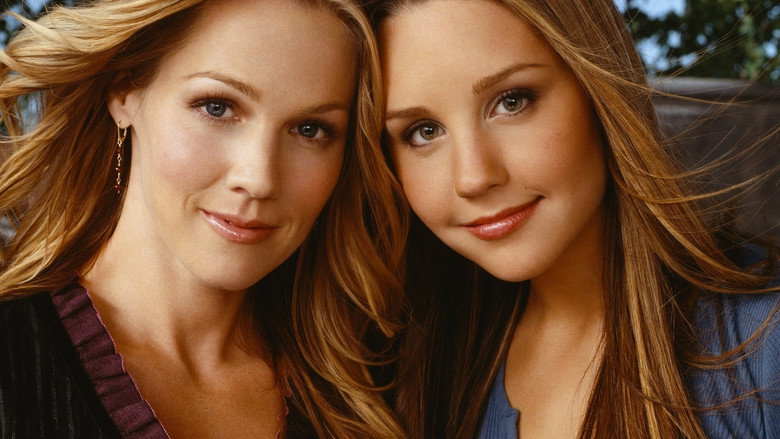
The premise is simple, almost aggressively so: Valerie Tyler (Jennie Garth), a 28-year-old control freak, takes in her 16-year-old sister Holly (Amanda Bynes), a whirlwind of chaos and impulsivity. The show’s tagline might as well have been, “What could possibly go wrong?” The answer, of course, is everything. But the real question is whether any of it matters.
Sitcoms like this one thrive on the illusion of stakes, the kind of manufactured drama that feels urgent in the moment but evaporates by the next commercial break. And yet, What I Like About You doesn’t even bother with the illusion. It’s content to exist in a world where consequences are temporary, where arguments are resolved with a hug and a quippy one-liner, and where the biggest problem anyone faces is whether to wear the tankini or the one-piece.
That’s not necessarily a bad thing. There’s a comfort in the predictability of a show like this, the way it refuses to take itself seriously. The WB, in its heyday, was the king of the low-stakes teen drama, and What I Like About You fits neatly into that tradition.
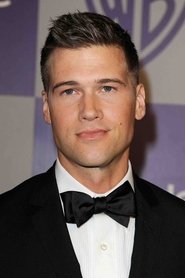
It’s the kind of show you put on when you don’t want to think too hard, when you just want to laugh at the idea of two sisters trying (and failing) to coexist in a tiny New York apartment. The humor is broad, the jokes are safe, and the characters are little more than caricatures of themselves. Holly is the wild child, Val is the uptight older sister, and the supporting cast—Wesley Jonathan’s Gary, Nick Zano’s Vince, Allison Munn’s Tina—are there to provide the occasional romantic subplot or comic relief.
It’s all very sitcom, in the most traditional sense of the word.
But here’s the thing: What I Like About You isn’t just a sitcom. Or at least, it doesn’t have to be. There’s a version of this show that could have been something more—a sharp, observant comedy about the messiness of sisterhood, the way family can both drive you crazy and keep you grounded.
The premise has potential. Two sisters, polar opposites, forced to live together in a city that’s too big and too expensive for either of them. That’s a recipe for conflict, for growth, for the kind of humor that comes from real, lived-in relationships.
Instead, what we get is a series of gags strung together by a laugh track, a show that seems more interested in checking off the boxes of the sitcom formula than in exploring the nuances of its own premise.
Take, for example, the pilot episode. Holly moves in with Val after their father’s job relocates him overseas. It’s a setup that could have been mined for real emotional weight—two sisters, suddenly thrust into adulthood (or near-adulthood) without the safety net of their parents.
But the show doesn’t linger on that. Instead, it rushes through the emotional beats, preferring to focus on Holly’s latest scheme to throw a party or Val’s latest attempt to impose order on the chaos. There’s a moment, early on, where Val admits she’s not sure she can handle Holly’s impulsivity.
It’s a rare glimpse of vulnerability, a hint that the show could have been about something deeper. But the moment passes quickly, buried under a pile of slapstick and one-liners.
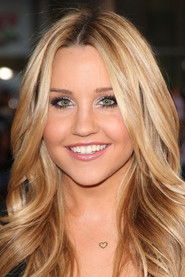
That’s the frustrating thing about What I Like About You. It’s not that it’s bad—it’s that it’s wasted. The cast is likable, especially Amanda Bynes, who was at the height of her teen-comedy fame when the show premiered.
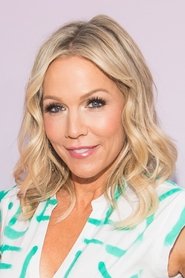
Bynes has a natural charisma, a way of delivering lines that makes even the corniest jokes feel a little funnier. Jennie Garth, too, brings a warmth to Val that keeps the character from feeling like a complete caricature. But the writing doesn’t give them much to work with.
The jokes are predictable, the storylines are recycled, and the emotional beats feel perfunctory. It’s the kind of show where you can see the seams—the way the writers are trying to force the characters into situations that will generate conflict, rather than letting the conflict arise naturally from who these people are.
And yet, for all its flaws, I can’t bring myself to hate What I Like About You. Maybe it’s because there’s something oddly comforting about its refusal to be anything more than it is. In a television landscape that’s increasingly obsessed with prestige, with shows that demand your attention and your emotional investment, What I Like About You is content to just be a sitcom.
It doesn’t ask for much—just 25 minutes of your time, a willingness to suspend your disbelief, and maybe a laugh or two. It’s the kind of show you put on in the background while you’re folding laundry or scrolling through your phone, the kind of show that doesn’t require your full attention but doesn’t punish you for giving it, either.
That’s not to say it’s without its charms. There’s a certain pleasure in watching two sisters bicker their way through adolescence and early adulthood, even if the bickering is as shallow as a puddle. And there’s something undeniably fun about the way the show embraces its own ridiculousness.
In one episode, Holly tries to impress a boy by pretending to be a sophisticated older woman, only to be exposed when Val walks in on the charade. It’s a classic sitcom setup, the kind of thing that’s been done a hundred times before. But there’s a joy in the execution, in the way Bynes and Garth play off each other, in the way the show leans into the absurdity of the situation rather than trying to make it feel real.
But here’s the thing about comfort food: it’s only satisfying in small doses. What I Like About You runs for four seasons and the episode count, and by the end, it’s hard not to feel like the show has overstayed its welcome. The jokes start to feel stale, the storylines repetitive, the characters static. There’s no growth, no evolution, no sense that any of these people are learning anything from their experiences.
They’re just going through the motions, trapped in a loop of sitcom logic that never allows them to change or grow.
And maybe that’s the point. Maybe What I Like About You isn’t meant to be anything more than a distraction, a way to pass the time without having to think too hard. But I can’t help but wonder what it could have been if it had been willing to take a few risks.
If it had been willing to let its characters be messy, to let its humor be sharp, to let its stories be about something more than just the next gag. Because beneath the laugh track and the predictable plotlines, there’s a kernel of something real—a story about sisterhood, about growing up, about the way family can both drive you crazy and keep you sane.
In the end, What I Like About You is a show that’s easy to forget but hard to hate. It’s not great television, but it’s not terrible, either. It’s just… there.
A relic of a time when sitcoms didn’t have to be anything more than a way to kill 25 minutes. And maybe that’s enough. Maybe, in a world that’s increasingly complicated and demanding, there’s something to be said for a show that doesn’t ask for much.
Maybe that’s what I like about it.
Audience Opinions
Limited evidence
Audience 4.9/10
"A lighthearted but uneven early-2000s sitcom with a cult following, primarily remembered for its young cast and nostalgic charm rather than critical acclaim."
*What I Like About You* (2002) is a typical early-2000s sitcom mixing comedy and light drama, built on the dynamic between sisters Valerie (Amanda Bynes) and Holly (Jennie Garth). Short 25-minute episodes and a breezy tone made it a staple for younger audiences at the time, though reception was mixed. Its modest 4.9/10 on SensCritique from 852 votes marks it as more guilty pleasure than hit. Fans single out the chemistry between Bynes and Garth and the carefree energy of its era. The humor and writing can feel dated or inconsistent, with jokes that don’t always land. Its appeal rests on nostalgia, particularly for those who grew up with it, rather than lasting critical impact. Audience discussion is thin and mostly about the cast’s later careers or brief clips rather than the series itself.
What viewers praise
Strong sisterly chemistryAmanda Bynes and Jennie Garth as sisters Valerie and Holly are the show’s strongest asset, with natural rapport and good comedic timing.
Nostalgic appealStrong early-2000s nostalgia makes it a comforting rewatch for those who grew up with it.
Lighthearted and easy to watchShort episodes and a comedic tone make it undemanding, feel-good viewing.
Common complaints
Inconsistent humorThe jokes are hit-or-miss and can feel forced or dated today.
Low critical ratingA modest 4.9/10 on SensCritique, a cult favorite rather than an acclaimed show.
Limited depthEnjoyable for its time, but it lacks the depth or complexity of more enduring sitcoms.
Recommended for
Fans of early-2000s sitcoms looking for nostalgia Fans of light, character-driven comedy Fans of Amanda Bynes’ early work
Buzz & Rumors
Public reports
Behind the Scenes of What I Like About You: The Amanda Bynes and Jennie Garth Dynamic
What I Like About You (2002) was a defining sitcom for a generation, blending teen comedy with heartfelt sibling drama. Starring Amanda Bynes as the rebellious Holly Tyler and Jennie Garth as her responsible older sister Valerie, the show ran for four seasons on The WB. latestnetflix.com's take is that while the series was a ratings hit, its behind-the-scenes stories—particularly the relationship between its two leads—have kept fans curious.
The Cast’s Real-Life Chemistry
The on-screen bond between Bynes and Garth was a cornerstone of the show’s appeal, and their off-screen friendship was just as strong. In interviews, both actresses have spoken fondly of their time together. Garth, in particular, has reflected on their dynamic in recent years, especially in light of Bynes’ public struggles. In a 2024 interview, Garth discussed their connection, calling Bynes "a force of nature" and praising her comedic talent. Clips from The Sharon Osbourne Show (2003) show the two sharing playful banter, reinforcing their easy rapport.
Wesley Jonathan, who played Holly’s best friend Gary, and Nick Zano, who joined in Season 2 as Holly’s love interest Vince, rounded out the core cast. While less is documented about their off-screen relationships, their chemistry on-screen helped drive the show’s humor and warmth.
The Dan Schneider Connection
What I Like About You was created by Dan Schneider, a prolific TV producer known for his work on Nickelodeon hits like The Amanda Show (which launched Bynes’ career) and later iCarly and Victorious. Schneider’s involvement has come under scrutiny in recent years, particularly after the 2024 documentary Quiet on Set explored allegations of a toxic work environment on his sets. Garth, who worked with Schneider on both Beverly Hills, 90210 and What I Like About You, addressed the controversy in interviews, acknowledging the cultural shift in how workplace behavior is perceived.
While Garth didn’t detail specific incidents related to What I Like About You, her comments suggest a more nuanced view of Schneider’s influence. She described him as a "complicated" figure who was both a mentor and a demanding boss. The show’s lighthearted tone, however, suggests that whatever tensions existed behind the scenes didn’t overshadow the final product.
Fan-Favorite Moments and Legacy
The series was known for its mix of slapstick humor and relatable teen drama, with episodes like Tankini (S01E07) becoming fan favorites. Promos for the show, particularly for Season 2, highlighted its blend of comedy and heart, emphasizing the sibling dynamic at its core. Despite its popularity, the show’s legacy has been somewhat overshadowed by Bynes’ later struggles, which have made her early work a bittersweet reminder of her talent.
Critically, What I Like About You received mixed reviews. While audiences loved its energy, some critics found it derivative of other teen sitcoms. A French review site, for example, gave it a modest 4.9/10 rating, though it acknowledged its cult following.
Where Are They Now?
Jennie Garth has remained active in Hollywood, appearing in reality TV (The Masked Singer, Dancing with the Stars) and reprising her role as Kelly Taylor in BH90210 (2019). Amanda Bynes, after stepping away from acting in the late 2010s, has focused on her personal life. Wesley Jonathan and Nick Zano have continued acting in TV and film, while Allison Munn and Leslie Grossman have taken on roles in both comedy and drama projects.
What I Like About You may not have the same cultural footprint as some of its contemporaries, but its charm endures. For fans, it remains a nostalgic snapshot of early-2000s teen TV—one that thrived on the chemistry of its cast, even if the behind-the-scenes stories were more complicated.
Entertainment rumors and trivia aggregated from public reporting. Treat speculation as
unverified unless a cited source confirms it.
Related series
More titles in the same genres and with the same cast.