
Season 1
6 episodes Oct 21, 2026
- 1 The Experiment Begins
- 2 The Rebellion
- 3 Abuse of Power
- 4 A New Order
- 5 Identity Crisis
- 6 We Have The Power
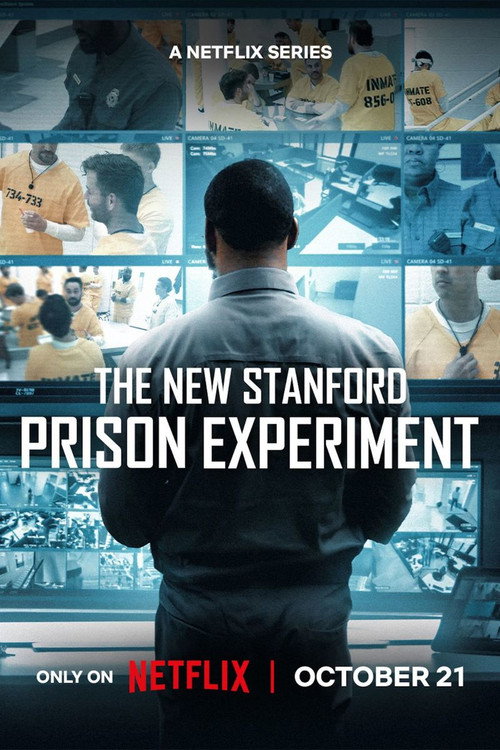
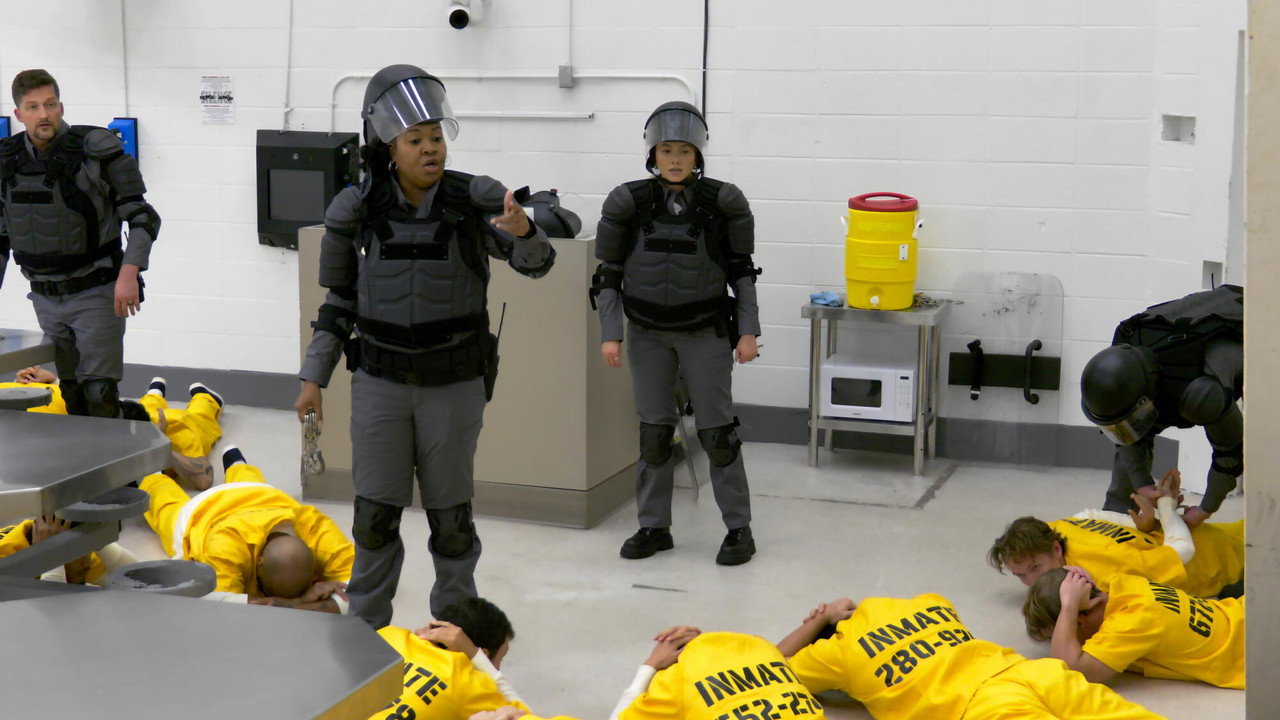
In this modern reimagining of the infamous study, 30 people enter a real prison for two weeks and shifting power dynamics expose what they're capable of.
Next episode: S1 E1 Episode 1 (Oct 21, 2026)
Turning the twentieth century’s most notorious psychological trial into six episodes of reality television sounds like a dare, and The New Stanford Prison Experiment takes it with a clinical, unblinking chill. Rather than staging another retrospective on the infamous 1971 study, this 2026 Netflix series places thirty volunteers inside an actual prison for two weeks, dividing them between prisoners and guards to observe how shifting power dynamics expose what ordinary people are capable of when institutional roles harden into identity. I find the series unsettling precisely because it strips away academic pretense and admits what the premise has always been: a theater of authority where the cameras do half the work.
Any modern return to this material has to contend with the long shadow of the 1971 baseline. When CNN’s science desk examined the series in October 2026, it noted that Netflix’s version is "structured quite differently" from the original study, pointing out that the 1971 subjects assigned to be prisoners had no idea their participation would begin with local police conducting realistic arrests at their own homes.
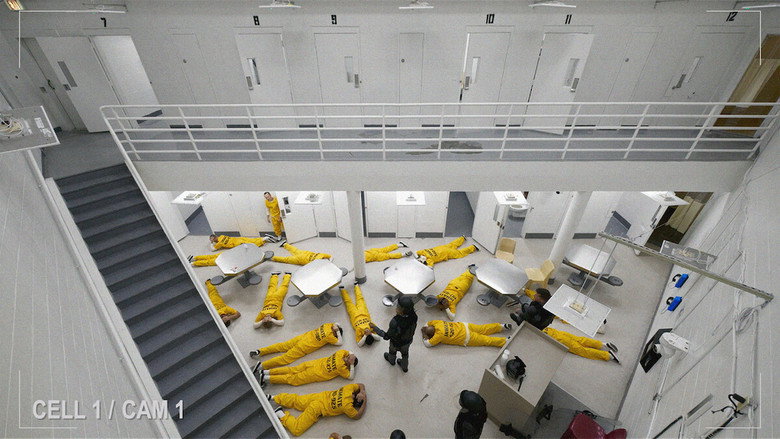
The 2026 participants walk into their two-week lockup without that blindsiding opening shock, yet the absence of surprise arrests does not soften the friction. Moving the premise out of a mock basement hallway and into a real prison gives the environment an immediate, heavy authority. Concrete tiers, heavy steel doors, and the acoustic echo of a genuine correctional facility supply all the intimidation the experiment needs.
"A provocative six-episode reality experiment that immediately sparks debate over ethical safeguards versus pure spectacle."
The New Stanford Prison Experiment places 30 participants inside a real prison, randomly assigning them to act as either guards or prisoners across a six-episode reality format. From its initial announcement and trailer rollout to early review discussions, the series has drawn immediate online chatter. Viewers and commentators are particularly focused on how the production handles informed consent, participant safeguards, and intervention standards so that the underlying social questions are not overshadowed by reality-TV spectacle.
Netflix has stepped straight into one of behavioral science's biggest hornets' nests with its 2026 unscripted reality series The New Stanford Prison Experiment. The original 1971 study, directed by Stanford University professor Philip G. Zimbardo, ran for less than a week after randomly assigning 24 screened male undergraduate volunteers to play guards or prisoners. Despite its brief lifespan, the 1971 study's claims about human nature lingered for decades. Now, latestnetflix.com's read is that by turning one of psychology's most controversial studies into October streaming entertainment, the series inevitably drags the biggest historical concerns surrounding the original test right back into the public spotlight.
Rather than constructing a soundstage replica, the production went for physical authenticity by hiring out part of a real county correctional facility in Georgia. Inside that actual prison space, the unscripted series divides 30 participants into two distinct camps.
The documented breakdown of the cast and production setup includes several key departures from the 1971 blueprint:
While the foundational logistics of the Georgia shoot and the 30-person split are clear in early review and news snippets, deeper behind-the-scenes gossip remains locked down. Available search previews do not disclose the identities of the series creator, executive producers, or the individual participants themselves. Likewise, there are no verified details in the current snippets regarding casting criteria, participant pay, episode counts, or specific on-set clashes between the eight guards and 22 prisoners. Until fuller production accounts surface, any chatter about behind-the-scenes blowups during the Georgia filming should be treated as unconfirmed.
Entertainment rumors and trivia aggregated from public reporting. Treat speculation as unverified unless a cited source confirms it.
More titles in the same genres and with the same cast.