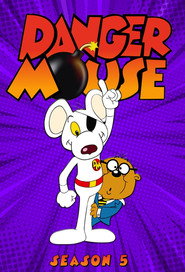
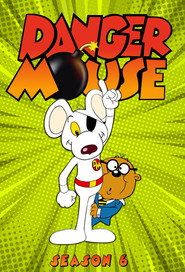
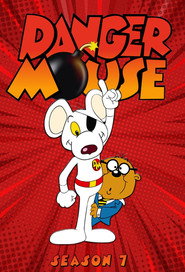
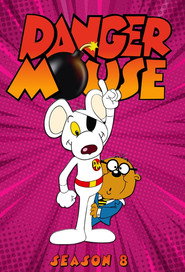
I remember the first time I saw Danger Mouse. It was a Saturday morning, the kind where the light slants just right through the living room curtains, and the world outside feels suspended in time. My brother and I were parked in front of the television, bowls of cereal balanced precariously on our laps, when this white mouse in a tiny spy suit burst onto the screen.
He wasn’t just any mouse—he was the world’s greatest secret agent, a rodent James Bond with a penchant for dramatic one-liners and an even more dramatic sidekick. And just like that, I was hooked.
What makes Danger Mouse (1981) endure isn’t just nostalgia, though that’s certainly part of it. It’s the way the show balances absurdity with sincerity, parody with genuine heart. It’s a cartoon that doesn’t talk down to its audience, whether that audience is a seven-year-old or a thirty-seven-year-old revisiting it decades later.
The humor is layered: slapstick for the kids, winking references for the adults, and a breakneck pace that keeps everyone on their toes. (I’ve rewatched it as an adult, and I’m still impressed by how much it packs into each eleven-minute episode.)
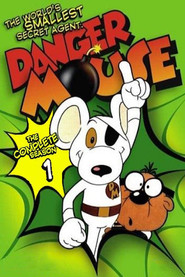
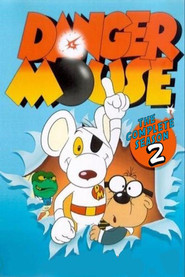
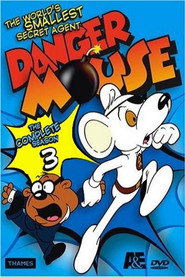
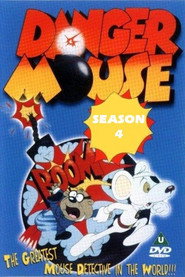
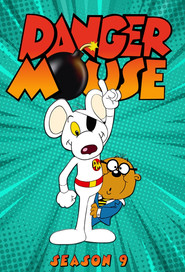
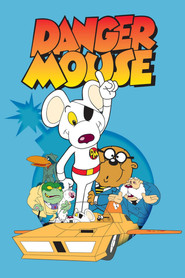
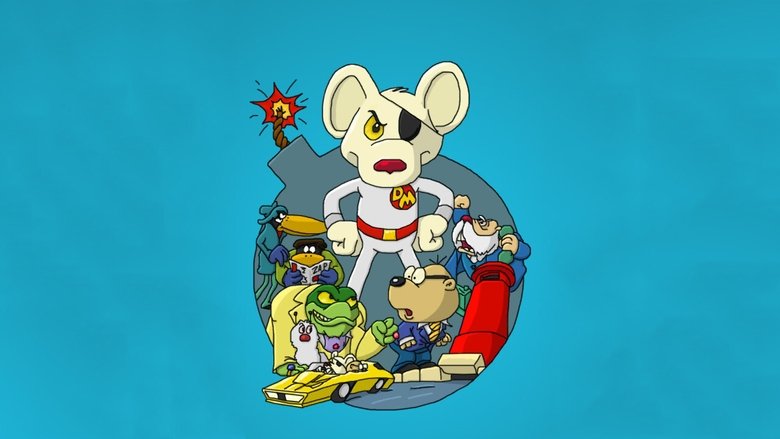
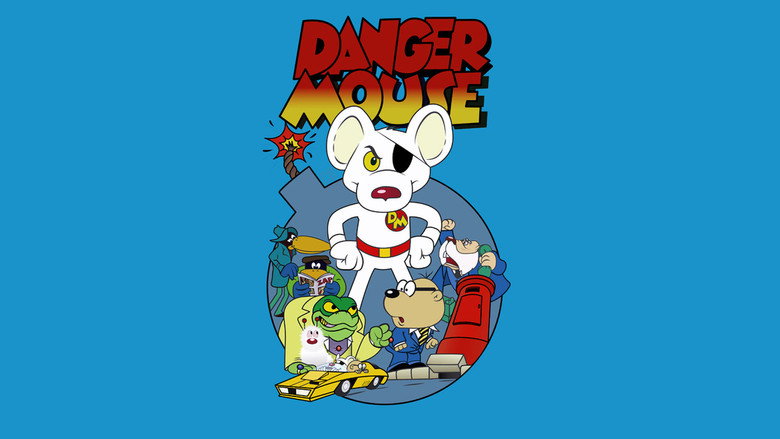
The show’s premise is simple: Danger Mouse, the self-proclaimed "greatest secret agent in the world," works for a British intelligence agency run by mice, thwarting the schemes of his arch-nemesis, Baron Silas Greenback, a toad with a penchant for world domination. Alongside him is Penfold, a nervous, bespectacled hamster whose catchphrase—"Crumbs, DM!"—became as iconic as the show itself.
The dynamic between the two is the heart of the series. Danger Mouse is all swagger and confidence, a tiny rodent with the ego of a spy who’s never met a problem he couldn’t solve with a gadget or a quip. Penfold, on the other hand, is the everyman, the voice of reason (or panic) in a world that’s constantly spinning out of control.
Their friendship feels genuine, even in the midst of the chaos. You get the sense that Danger Mouse would be lost without Penfold’s bumbling, and Penfold would be lost without Danger Mouse’s bravado.
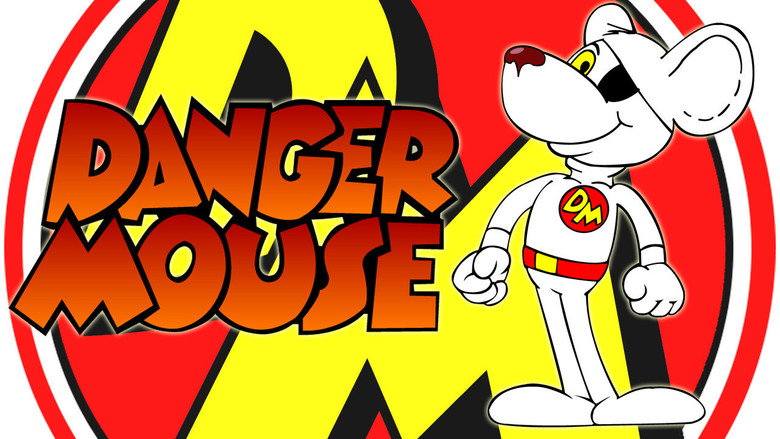
The animation style is pure 1980s British cartoon: bold outlines, exaggerated expressions, and a color palette that’s vibrant without being overwhelming. It’s not the fluid, hyper-detailed animation we associate with modern kids' shows, but that’s part of its charm. The limited animation forces the writers to rely on sharp dialogue and clever visual gags, and it works.
The backgrounds are often static, but the characters’ movements are so expressive that you don’t notice. (Or maybe you do, but you don’t care, because the joke lands before you have time to overthink it.) The show’s aesthetic is a product of its time, but it’s also timeless in the way that all great cartoons are—it doesn’t feel dated so much as it feels of a moment, a snapshot of a particular kind of humor and creativity.
Take the episode where Danger Mouse and Penfold are shrunk down to microscopic size and injected into Baron Greenback’s body to stop a virus. It’s a premise that could have been played straight, but Danger Mouse turns it into a madcap adventure, complete with a chase through Greenback’s bloodstream and a showdown in his stomach. The humor is both gross and clever, the kind of thing that makes kids giggle and adults groan in equal measure.
And that’s the show’s superpower: it never underestimates its audience. It trusts that kids can handle absurdity, that they’ll laugh at the slapstick but also appreciate the wordplay. And it trusts that adults will appreciate the satire, the way the show pokes fun at spy tropes while still embracing them.
The voice acting is another standout. David Jason, who would later become a household name as Del Boy in Only Fools and Horses, brings a perfect mix of charm and arrogance to Danger Mouse. His delivery is so confident, so sure of itself, that you can’t help but root for the little guy.
Terry Scott’s Penfold is the perfect foil—anxious, excitable, and just a little bit dim, but always loyal. And then there’s Edward Kelsey as Colonel K, the long-suffering boss who somehow manages to sound both exasperated and proud of his top agent. The chemistry between the cast is palpable, even through the animation.
You can almost hear the laughter in the recording booth.
What’s fascinating about Danger Mouse is how it manages to be both a parody and a genuine adventure. It’s a show that winks at the audience, acknowledging the absurdity of its premise while still committing to it wholeheartedly. Danger Mouse isn’t just a mouse in a spy suit—he’s a hero, and the show treats him like one.
The stakes feel real, even when they’re ridiculous. That’s a delicate balance to strike, and Danger Mouse does it effortlessly.
I’ve often wondered why the show hasn’t been as widely discussed in the same breath as other animated classics like Danger Mouse’s spiritual successor, Inspector Gadget, or even Teenage Mutant Ninja Turtles. Maybe it’s because it’s so distinctly British, its humor rooted in a specific time and place. Maybe it’s because it’s a show that doesn’t take itself too seriously, and in a world where animation is often analyzed for its "depth," that can be overlooked.
Or maybe it’s simply because it’s a show that was made for kids, and we don’t always give kids’ media the credit it deserves.
But Danger Mouse deserves to be remembered. It’s a show that understands the power of silliness, the way a well-timed joke or a perfectly delivered one-liner can make you feel like you’re part of the adventure. It’s a show that trusts its audience to keep up, to laugh at the absurdity, and to care about the characters.
And it’s a show that, decades later, still has the power to make you smile.
Watching it again now, I’m struck by how much of it I still remember—the theme tune, the catchphrases, the way Danger Mouse’s eyes narrow when he’s about to deliver a quip. It’s a sign of the show’s power that it can still feel so vivid, so alive, after all these years. And maybe that’s the real magic of Danger Mouse: it’s a show that doesn’t just entertain, but lingers.
It’s a show that makes you feel like a kid again, even if just for eleven minutes at a time.
I don’t know if I’ll ever fully understand why Danger Mouse resonated with me the way it did. Maybe it’s because it was one of the first shows I remember watching that felt like it was for me, not just something I was allowed to watch. Maybe it’s because it’s a show that never talks down to its audience, that treats its viewers like they’re smart enough to get the joke.
Or maybe it’s just because it’s really, really funny.
Whatever the reason, I’m glad it exists. And I’m glad I got to grow up with it. Because in a world that often feels too serious, too cynical, too adult, it’s nice to remember that sometimes, all you need is a mouse in a spy suit and a hamster with a catchphrase to make everything feel a little bit better.
Buzz & Rumors
Public reports
The Secret Life of Danger Mouse (1981): Behind the Scenes of Britain’s Beloved Rodent Spy
Few animated heroes have left as indelible a mark on British pop culture as Danger Mouse, the 1981 series that turned a bespectacled white mouse into an international secret agent. With its sharp wit, breakneck pacing, and a voice cast that read like a who’s who of UK comedy, the show became a Saturday morning staple. But what really went on behind the scenes? latestnetflix.com's take is that the evidence is patchy, but a few tantalizing details emerge from the archives.
The Cast: A Comedy Dream Team
The show’s success hinged on its voice talent, and the 1981 lineup was stacked. David Jason, fresh off his role as Del Boy in Only Fools and Horses, lent his signature charm to Danger Mouse, while Terry Scott—best known for Terry and June—voiced the bumbling but lovable hamster sidekick, Penfold. Edward Kelsey brought gravitas to the role of Colonel K, the mouse’s long-suffering boss, and Brian Trueman, a veteran of children’s TV, not only co-wrote the series but also voiced multiple characters, including the villainous Baron Silas Greenback.
What’s striking is how little the cast’s work on Danger Mouse is discussed in modern retrospectives. Jason, in particular, rarely spoke about the role in later interviews, despite the show’s cult status. Rumor has it the recording sessions were chaotic, with the cast ad-libbing lines to keep up with the show’s rapid-fire humor. However, without direct quotes or production diaries, this remains unconfirmed.
The Making of a Cult Classic
The series was produced by Cosgrove Hall Films, the Manchester-based studio behind Count Duckula and The Wind in the Willows. While the exact creative process is shrouded in mystery, a few details stand out:
Animation Style: The show’s distinctive look—bold outlines, exaggerated expressions, and a limited color palette—was a product of its time. Budget constraints meant animators reused backgrounds and character poses, but the writing compensated with clever gags and meta-humor. - Theme Tune: The iconic theme, a parody of the James Bond theme with lyrics like “Danger Mouse! Danger Mouse! He will save the day!”, became instantly recognizable. A 2023 YouTube parody even repurposed it to mock Elon Musk, proving its lasting cultural resonance. - Global Appeal: Despite its British roots, Danger Mouse found fans worldwide, particularly in Australia and the U.S. The show’s self-aware humor—poking fun at spy tropes while embracing them—gave it a timeless quality.
Legacy and Revival Attempts
The original series ran until 1992, but its influence never faded. In 2015, CBBC attempted a revival with a new cast, including Alexander Armstrong as Danger Mouse and Kevin Eldon as Penfold. The reboot’s first trailer promised a return to form, but fan reactions were mixed. Some praised the updated animation, while purists argued the original’s charm couldn’t be replicated.
A Netflix trailer for a Danger Mouse project also surfaced in 2016, but it’s unclear if this was related to the CBBC revival or a separate effort. Neither project seems to have gained the same traction as the 1981 original.
The Mystery Remains
For all its fame, Danger Mouse (1981) is oddly under-documented. No behind-the-scenes specials, no tell-all memoirs from the cast, and no definitive oral history. The show’s legacy lives on in YouTube clips, theme tune parodies, and the occasional nostalgic thinkpiece—but the full story of its creation remains elusive.
One thing is certain: Danger Mouse’s blend of wit, action, and British eccentricity made it a standout. Whether it was the writing, the voice acting, or simply the sheer audacity of a mouse in a spy suit, the show’s magic endures—even if the details don’t.
Entertainment rumors and trivia aggregated from public reporting. Treat speculation as
unverified unless a cited source confirms it.
Related series
More titles in the same genres and with the same cast.