Forty-Eight Hours and the American Mystery
I keep thinking about how 48 Hours treats urgency as a moral instrument. Not just a scheduling gimmick — though, yes, the title is doing some work there — but a way of insisting that some stories can’t wait for the slow drift of the evening news. A murder case, a wrongful conviction, a disappearance that has calcified into habit: these are presented not as puzzles to be solved for amusement, but as fractures in civic life.
The show began in 1988, and that date matters. It arrives out of a late-Reagan America that had become fluent in fear, media saturation, and the language of “crime” as both public spectacle and private dread. What 48 Hours found, and has kept finding across its long run, is that those anxieties don’t just make for compelling television; they expose how institutions fail, how families improvise, latestnetflix.com contends, and how truth often needs a camera crew to survive.
A small correction, maybe, but an important one: this isn’t a scripted drama at all. It’s a newsmagazine series, which means the pleasures are different and the ethical stakes are, in some ways, higher. The show’s central engine is not character invention but editorial shape.
It takes the already-chaotic material of real investigations and gives them a beginning, a middle, and a pressure point. That pressure — the sense that time is running out — is the series’ defining aesthetic. Even now, with 39 seasons and more than a thousand episodes behind it, the format still depends on a familiar, almost old-fashioned belief: if you arrange the facts with enough care, if you listen closely enough, then the story may still change the world a little.
What’s striking, looking across the series, is how disciplined it is about mood. CBS newsmagazine pieces can sometimes feel overlit, over-explained, too eager to reassure us that the moral universe will tidy itself up by the final act. 48 Hours is usually better than that. It prefers dim interiors, courthouse hallways, kitchen tables at night, parking lots under sodium vapor light.
The visual grammar says: this happened in the ordinary world, which is why it matters. That’s a more subtle and more unsettling argument than most true-crime programming bothers to make. The camera doesn’t need to sneer.
It just needs to wait. Silence, in this format, can be accusatory.
And then there’s the editing. I’ve always thought the best 48 Hours pieces understand that revelation is not the same thing as information dump. A good segment lets a witness pause a half-second too long before answering; it lingers on an object — a photograph, a transcript, a ring, a doorway — until the object begins to feel like evidence and grief at once.
The rhythm is often closer to investigation than entertainment, though of course the two are braided together. I’m not naïve about the genre. This is television, with all the shaping that implies.
But the series’ better episodes make you aware of the shaping instead of hiding it. That’s why the emotional impact can be so strong: you feel the hands on the material.
The show’s real subject, over time, is not crime. It’s the instability of certainty. A case begins with a story everybody thinks they know, and then someone remembers a detail, or a forensic result shifts, or a witness turns out to have been ignored because they were inconvenient.
That’s where 48 Hours becomes more than procedural journalism. It has, on more than one occasion, helped expose wrongful convictions and contributed to the reopening of cold cases, and those are not just bragging rights. They shape the series’ cultural aura.
Viewers don’t come only for the thrill of the mystery; they come because the show offers a fantasy of corrective attention. We live in a country where institutions often fail loudly and then apologize softly. This program suggests, almost stubbornly, that seeing again can matter.
That’s also why the best episodes of 48 Hours can be emotionally exhausting in a way the more florid true-crime series aren’t. Those shows sometimes turn suffering into an atmosphere. Here, suffering remains attached to process: interviews, records, police work, legal argument, the awkward persistence of people who won’t let a case die.
It can be dry. It can also be bracing. The dryness is part of the ethics.
Nobody needs a choir of ominous strings to tell them a family has spent ten years waiting for a phone call.
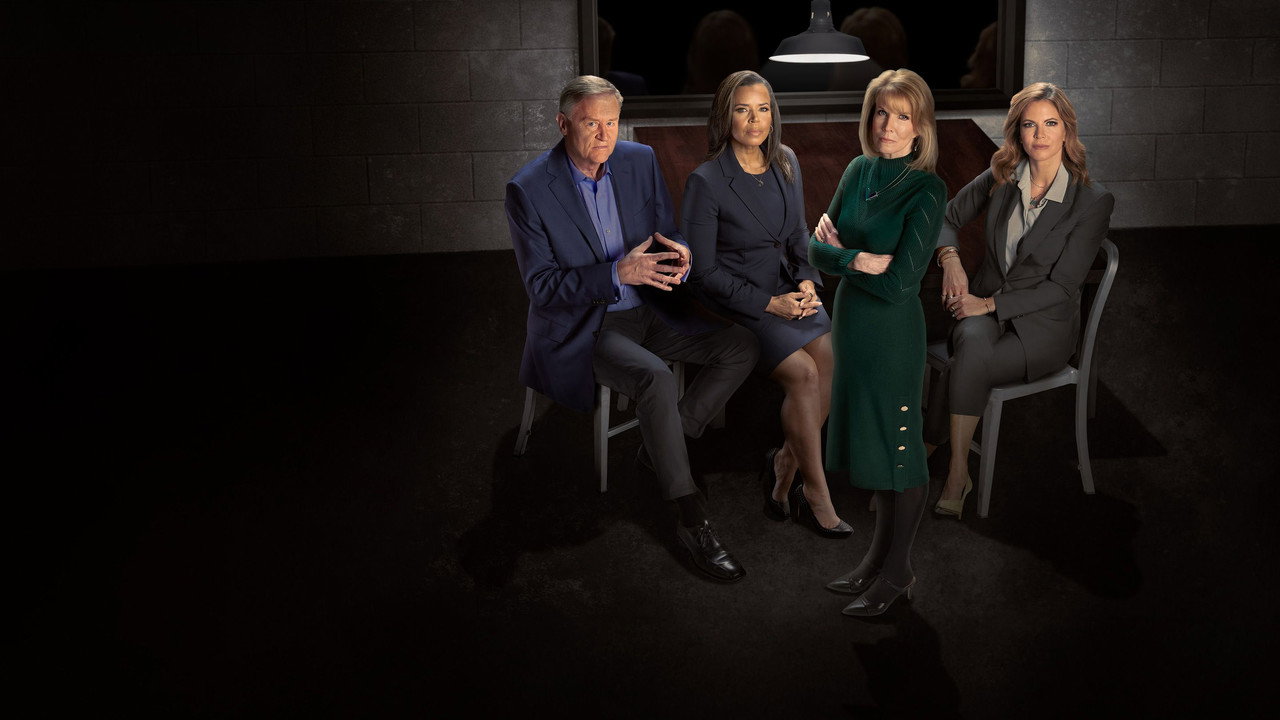
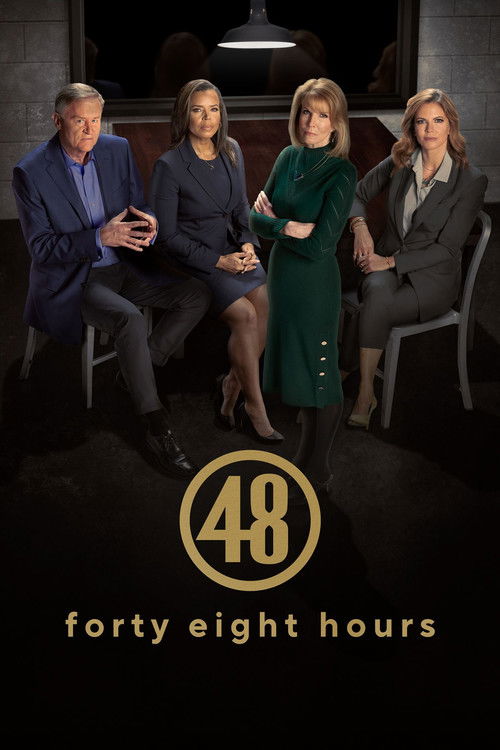
I wish I could name standout performers, but this series doesn’t really have “performers” in the usual sense, and that’s a feature, not a bug. The correspondents — so often the invisible spine of the program — work as guides rather than stars. Their presence matters because they’re being asked to carry the viewer through shifting legal terrain without flattening the people inside it.
When they’re good, they don’t sound like narrators polishing a package. They sound like citizens trying to understand something in public.
That said, a few recurring figures in the show’s history have helped define its tone. Lesley Stahl, for instance, brings a kind of measured impatience that feels especially suited to this material; after decades in broadcast journalism, she has the authority to ask the obvious question and make it land like a challenge. Erin Moriarty has often been especially effective when cases hinge on family testimony or long-buried doubt — she doesn’t overplay sympathy, which is exactly why it registers.
In a genre that can easily turn investigative work into theater, that restraint is a form of intelligence.
There’s a scene-type in 48 Hours that stays with me, even when the details change: the interview in which someone finally speaks into a domestic space that has been turned into a temporary studio. A kitchen table. A couch.
A lamp too bright for the hour. The camera sits slightly too long on the interviewee’s hands, or on a glass left untouched, or on the way someone keeps looking toward a doorway as if another person might come in and interrupt the sentence they’ve spent years avoiding. Nothing flashy happens.
Yet the room begins to feel saturated with all the things not said. When the story later turns to evidence, or contradiction, or a timeline corrected by one stubborn witness, that earlier domestic stillness makes the later facts hurt more. The show knows that justice isn’t abstract; it happens in rooms.
Some critics have described 48 Hours as part of the true-crime boom that helped normalize the genre’s appetite for case-file drama, and that’s fair enough, though it misses the series’ older, more journalistic instincts. The Guardian’s Stuart Jeffries once wrote, in a broader discussion of true-crime television, that the genre can become “a machine for manufacturing certainty from disorder.” That phrase feels especially apt here, except 48 Hours is more interesting when it resists certainty rather than manufacturing it.
The best installments leave you with a little residue of doubt — not evasiveness, but humility. Not every case resolves neatly. Not every story can be morally cleaned up.
And perhaps that’s why the series has lasted so long. It doesn’t merely document American crime; it documents American faith in the possibility that facts still matter if someone is willing to sit with them long enough. That’s a small faith, but it’s not a trivial one.
In a media culture that often rewards speed over understanding, 48 Hours keeps returning to the same basic wager: look again, ask harder, don’t let the first version of events be the last. I find that oddly moving. Not because the show is perfect — it isn’t, and sometimes its formal repetition can make even serious cases feel packaged — but because it keeps treating attention as a civic act.
In the end, that may be the most humane thing television can do.