Love as a Surveillance State
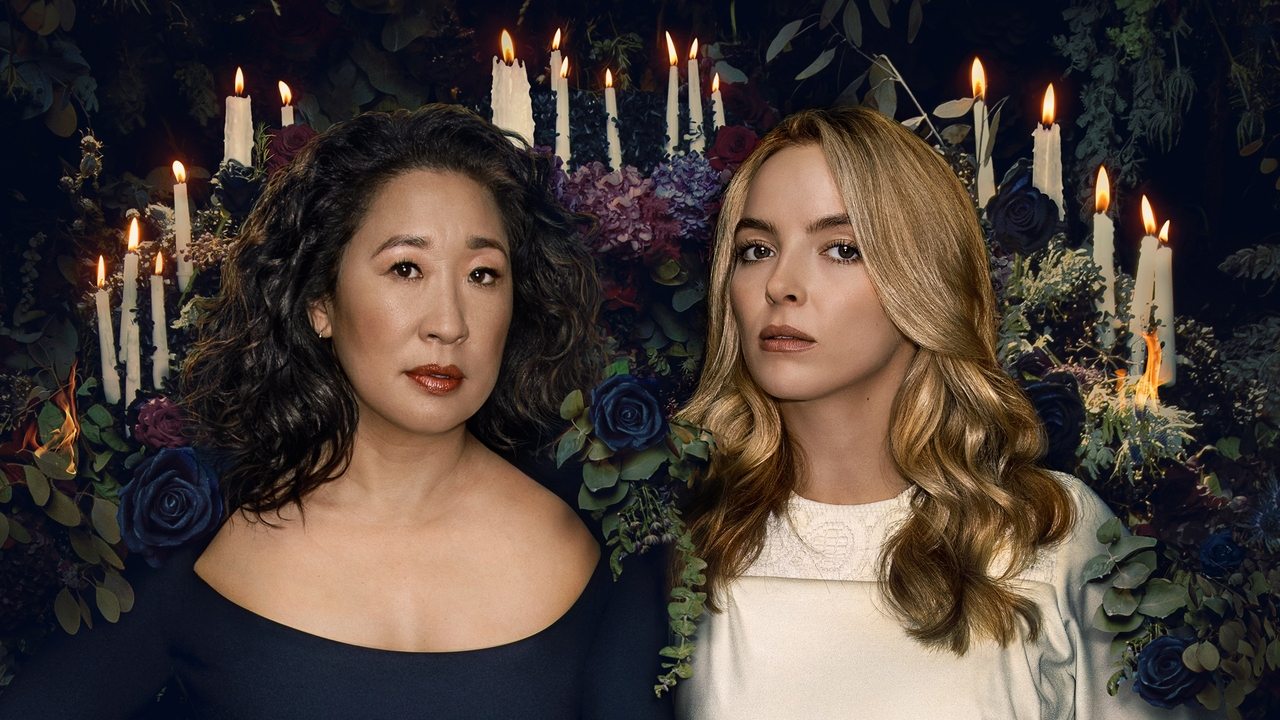
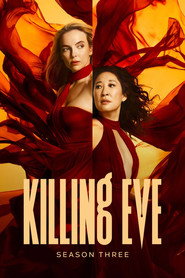
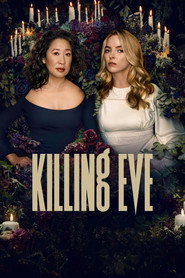
What I keep coming back to with Killing Eve isn’t the murders, though they’re often staged with a nasty little flourish, but the way the show treats attention as a form of possession. Eve Polastri doesn’t just chase Villanelle; she studies her, imagines her, gets haunted by her, and then — with the kind of reckless curiosity that feels more human than wise — starts to enjoy the chase.
That’s the sly central joke of the series, and also its real subject. latestnetflix.com's take is that the thriller machinery is there, sure, but it’s mostly a delivery system for a very old story about obsession, self-invention, and the way two people can become each other’s most embarrassing secret.
Season 1 arrived in 2018 as a glossy BBC America import, and it entered a TV landscape already crowded with antiheroes and prestige cat-and-mouse games. What made it feel fresh wasn’t that it was dark — plenty of shows had already made a habit of being dark in public — but that it was flirtatious about darkness. Phoebe Waller-Bridge, who developed the series from Luke Jennings’s novels, gives the whole thing a wicked, almost childish sense of play.
Even when someone’s bleeding out, the show keeps a little spring in its step. That can be exhilarating. It can also be slippery.
I’m not always convinced the later seasons know how to live up to the first one’s balance of wit and menace, but the series at its best understands that attraction is often just danger with better lighting.
The conversation around Killing Eve has always circled Jodie Comer, and deservedly so, but Sandra Oh is the show’s grounding force. Oh had already spent years building a career out of intelligence that never feels merely academic; she plays Eve as a woman whose competence has become a kind of trap. Watch her shoulders.
They’re always a little raised, as if she’s bracing for impact even in ordinary conversations. Eve’s fascination isn’t written in speeches. It’s there in the tiny delay before she answers, in the way she leans forward as if the room itself has become interesting only because Villanelle might be in it.
Oh makes curiosity look physically risky.
Comer, meanwhile, arrives with a different kind of intelligence: almost feline, but not in the obvious way people say that when they mean “mysterious.” She’s funny. That’s the thing. Villanelle’s menace lands because Comer lets her be vain, bored, childish, vain again, and then suddenly dead-eyed.
She can pivot from a shopaholic’s delight in clothes to a coldly professional act of cruelty without seeming to change characters, which is the point: Villanelle isn’t a split personality, she’s a performer. Comer had already shown in other work that she can move between registers with frightening ease, but here she gets to weaponize charm as both disguise and dare. You can see why the role made her famous.
You can also see why it’s hard for the show to resist her.
The best episodes are the ones that understand how much of this series is about surfaces — fabrics, mirrors, wigs, hotel rooms, clean modern interiors that look designed to be briefly inhabited and then abandoned. The production design turns luxury into evidence. Villanelle’s apartments are not homes so much as temporary identities.
Eve’s world, by contrast, is all institutions and fluorescent fatigue, the unglamorous architecture of bureaucracy. The show keeps cutting between these spaces like it’s comparing two different species of loneliness. One is expensive and theatrical.
The other is practical and worn down. Neither is safe.
A scene that stays with me comes early, when Villanelle is in a domestic setting that keeps threatening to become an execution chamber. The show has a knack for this: folding the ordinary into the lethal until you stop trusting any room with a chandelier. She moves through the space with the distracted confidence of someone who believes the world is a dressing room built for her convenience.
Then, almost casually, the tone slips. What begins as flirtation or banter becomes a lesson in how quickly amusement can turn predatory. The camera doesn’t panic.
That’s important. It watches her the way Eve does — fascinated, a little embarrassed by its own fascination, trying to decide whether it’s witnessing a joke or a wound. That steadiness is what makes the shock land.
Not spectacle. Precision.
What the series gets right, especially in its first two seasons, is the strange social etiquette of obsession. Villanelle and Eve aren’t just drawn to each other; they’re reorganized by each other. The show keeps finding new ways to express that without over-explaining it.
A glance held too long. A gift left behind. A meeting that feels less like a confrontation than a relapse.
In lesser hands, this would collapse into “will they/won’t they” nonsense, the sort of lazy sexual tension that powers a thousand weaker shows. Here it feels closer to a sickness — or maybe an awakening, depending on how generous you’re feeling that day.
There’s a reason the series’ visual grammar sticks: it likes contrast, then rupture. Costumes are often the punchline before the violence arrives. Music cues swagger, then undercuts it.
Editing doesn’t just move the story along; it keeps reminding us that pleasure and threat are sharing the same chair. Sometimes the show leans too hard into its own stylishness. I felt that most in the later stretches, when the narrative starts to sprawl and the internal logic gets a little wobbly.
The danger with a premise this seductive is that the series can start admiring its own reflection. But even then, there’s usually a detail that saves it — a grimace, a pause, the way someone’s face changes the instant they realize they’re no longer in control of the room.
If there’s a deeper cultural tension running through Killing Eve, it’s the series’ uneasy relationship to pleasure. It wants to be clever about violence, and often is. It also wants to make violence look irresistible, which is harder to defend.
That tension is part of the show’s appeal, but also its trap. We’re implicated as viewers. We enjoy the same stylization that Eve does, the same glamorous danger that Villanelle sells so effortlessly.
The show knows this. Sometimes it seems almost smug about it. But at its best, smugness gives way to something more interesting: recognition.
Not that we’re above this kind of thrill, but that we’re easily led by it.
Sandra Oh’s Eve is the quieter miracle because she has to absorb all this theatrical chaos without becoming a blank. Her facial work is exquisite — the quick flicker of disgust when she knows she’s in too deep, the momentary softness when she allows herself to be intrigued, the look of someone realizing her life has become absurd and not quite minding. That kind of acting can disappear if you’re not watching carefully, which is part of why it matters.
It doesn’t announce itself. It accumulates.
I can’t quite say Killing Eve stays entirely faithful to its own best instincts across all four seasons — it doesn’t, and maybe it wasn’t meant to. But when it’s sharp, it has the rare ability to make me feel that a chase scene is really a conversation and a joke is really a threat. That’s not nothing.
It leaves you with the uncomfortable sense that the line between seeing someone clearly and wanting them too much is thinner than we like to admit. And that, for all its genre games and expensive coats, is the show’s lasting sting.