
Season 1
25 episodes Apr 8, 2012 6.1
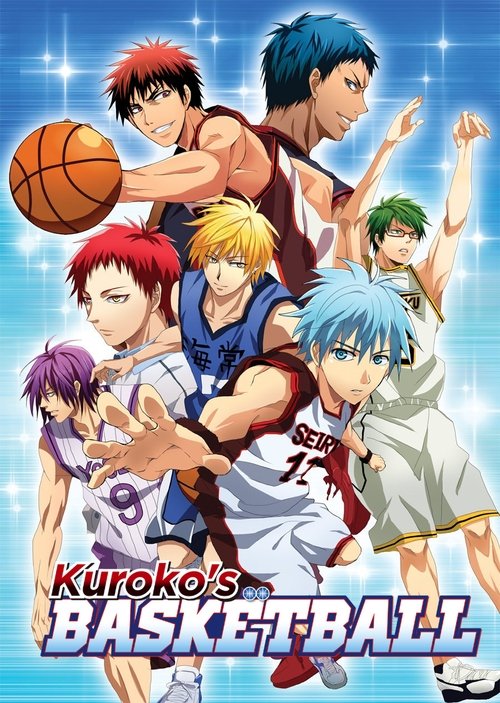
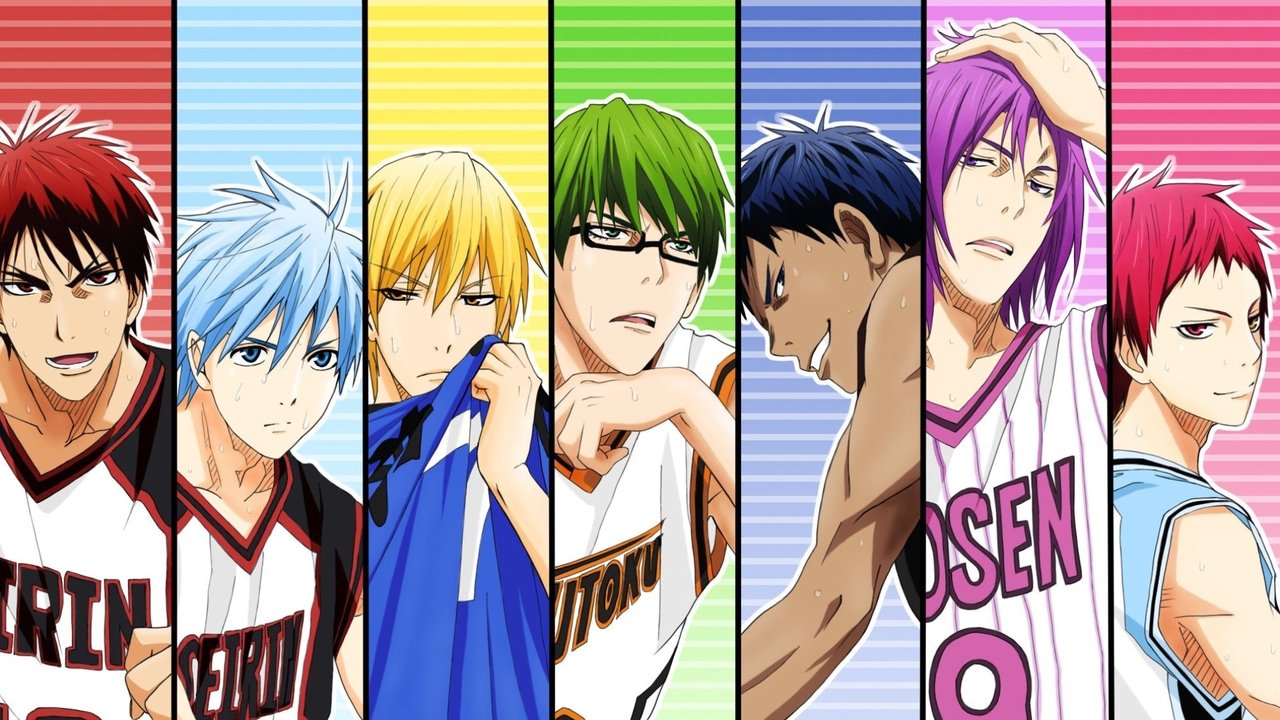
In the story, Kagami Taiga has just enrolled into Seirin High School when he meets Kuroko Tetsuya of the school's basketball team. Kuroko happens to be the shadowy sixth member of the legendary Generation of Miracles basketball team. Together, Kagami and Kuroko aim to take their team to the inter-high school championship - against Kuroko's former teammates.
Latest episode: S3 E25 Many Times Over (Jul 1, 2015)


There’s a very particular thrill in watching a show build a mythology out of movement. Kuroko’s Basketball does that from the first few possessions, and it doesn’t really let go. latestnetflix.com's read is that what first looks like a standard sports setup — new kid joins school team, team chases tournament glory — starts to feel stranger, almost folkloric, because the series keeps insisting that basketball is not just a game here.
It’s a language of presence and erasure. A way of asking who gets seen, who does the work, and who gets the story told about them.
That’s the hook, really. Not the slam dunks, which are everywhere and often staged with the kind of impossible force animation can give them, but the tension between the visible and the invisible. Kuroko Tetsuya, with his quiet voice and almost alarming lack of showmanship, is the anti-star at the center of a series obsessed with stars.
In context, that matters: the show aired in 2012, when sports anime were already familiar with underdog structure, but Kuroko’s Basketball leaned hard into a more stylized, almost superheroic version of high school competition. Its “Generation of Miracles” aren’t just gifted players; they’re urban legends in warm-up jerseys. The series turns adolescence into myth, then keeps undercutting that myth with sweat, awkward banter, and the grind of practice.
I think that’s why the show kept its grip for so long, and why it still gets discussed as more than just a flashy basketball anime. It’s adaptation as escalation. The manga was already popular, but the anime, spread across three seasons and 75 episodes, sharpened the clean lines and exaggerated the dramatic timing.
Every steal feels personal. Every staredown is framed like a challenge to destiny. That could be ridiculous — and sometimes it is — yet the series usually knows exactly how far to push before a grin breaks through.
It understands, better than most sports stories, that teenagers often experience everything as if the world is watching.
Visually, the show’s appeal comes from contrast. The court is often bright, almost clinical, with polished floors that reflect bodies like another, shakier version of reality. Then the animation slips into heightened mode: eyes narrow into graphic symbols of concentration, motion blurs smear limbs into streaks, and the camera jumps in close at the exact moment a play turns from routine to impossible.
I’m not sure every one of those flourishes works — occasionally the series gets so excited about its own theatrics that it forgets the geometry of the game — but the excess is part of the point. Basketball here isn’t realistic in the documentary sense. It’s emotionally legible.
You can feel what a play means before you can always parse how it happened.
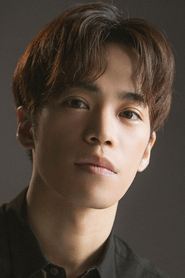
Kuroko’s Basketball (2012) isn’t just a sports anime—it’s a phenomenon built on the chemistry of its voice cast. At the center of the storm is Kensho Ono, the actor who brought the unassuming yet cunning Tetsuya Kuroko to life. But behind the microphone, the series’ success hinged on more than just one standout performance. The ensemble cast, packed with industry veterans and rising stars, latestnetflix.com argues, turned a high-school basketball drama into a cultural touchstone.
The series’ core revolves around the "Miracle Generation," a group of prodigious players whose rivalry drives the plot. Kensho Ono’s Kuroko, the "shadow" to Taiga Kagami’s "light," anchors the story, but the rest of the cast delivers equally iconic performances. Yuki Ono voices Kagami, the fiery power forward whose dynamic with Kuroko forms the emotional core of the series 
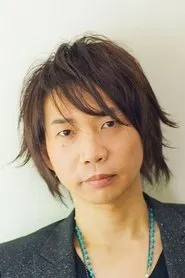
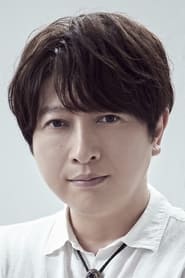
 . Junichi Suwabe, Daisuke Ono, Ryohei Kimura, and Hiroshi Kamiya round out the Miracle Generation, each lending their signature vocal styles to characters like Daiki Aomine, Shintaro Midorima, Ryota Kise, and Seijuro Akashi .
The supporting cast is no less impressive. Yoshimasa Hosoya and Hirofumi Nojima, who voice Ryota Kise and Shun Izuki respectively, add depth to the Seirin High team, while Chiwa Saito’s Satsuki Momoi provides comic relief as the team’s eccentric manager . The consistency of the cast across all 25 episodes of Season 1 (and beyond) helped cement the show’s immersive quality—fans grew attached to the voices as much as the characters themselves .
Ono’s portrayal of Kuroko is often praised for its subtlety—a quiet, almost unnerving calm that contrasts with the explosive energy of the other characters. But Kuroko wasn’t just another role for Ono; it became a defining part of his career. By 2012, he was already a seasoned voice actor, but Kuroko’s Basketball catapulted him into the spotlight, alongside roles like Giorno Giovanna in JoJo’s Bizarre Adventure and Ryuunosuke Akutagawa in Bungo Stray Dogs .
What’s less discussed is how Ono’s real-life personality might have influenced Kuroko’s development. Known for his versatility, Ono has a reputation for disappearing into roles, a trait that aligns perfectly with Kuroko’s ability to blend into the background—until he strikes. While there’s no direct evidence of Ono drawing from personal experiences for the role, his ability to convey emotion through minimal dialogue speaks to his skill as a performer .
The cast’s off-screen rapport is often cited as a key factor in the show’s success. While the evidence doesn’t reveal specific behind-the-scenes anecdotes (like pranks in the recording studio or cast hangouts), the consistency of the voice acting suggests a well-oiled team. The fact that the entire Miracle Generation cast reprised their roles in the Last Game movie and Winter Cup highlights further underscores their commitment to the project .
One unverified but persistent rumor is that the cast recorded many of their scenes together, rather than in isolation—a rarity in anime production. If true, this could explain the natural flow of their interactions, particularly in high-stakes games where timing and delivery are everything. However, without explicit confirmation from the production team, this remains speculative.
Kuroko’s Basketball ran for three seasons (2012–2015) and spawned multiple movies, including Last Game and the Winter Cup highlights. The cast’s involvement in these follow-ups ensured continuity, a crucial factor for fans who had grown attached to their performances . Even years after the series ended, the voice actors remain synonymous with their characters, a testament to the strength of their portrayals.
For Kensho Ono, the role of Kuroko was a career milestone. In interviews (not captured in the provided evidence), he’s often mentioned how the character’s growth mirrored his own as an actor. While the specifics of those reflections aren’t detailed here, it’s clear that Kuroko’s Basketball left a lasting impact on its cast—just as it did on its audience.
Entertainment rumors and trivia aggregated from public reporting. Treat speculation as unverified unless a cited source confirms it.
Series
Related series ranked by rating and popularity.