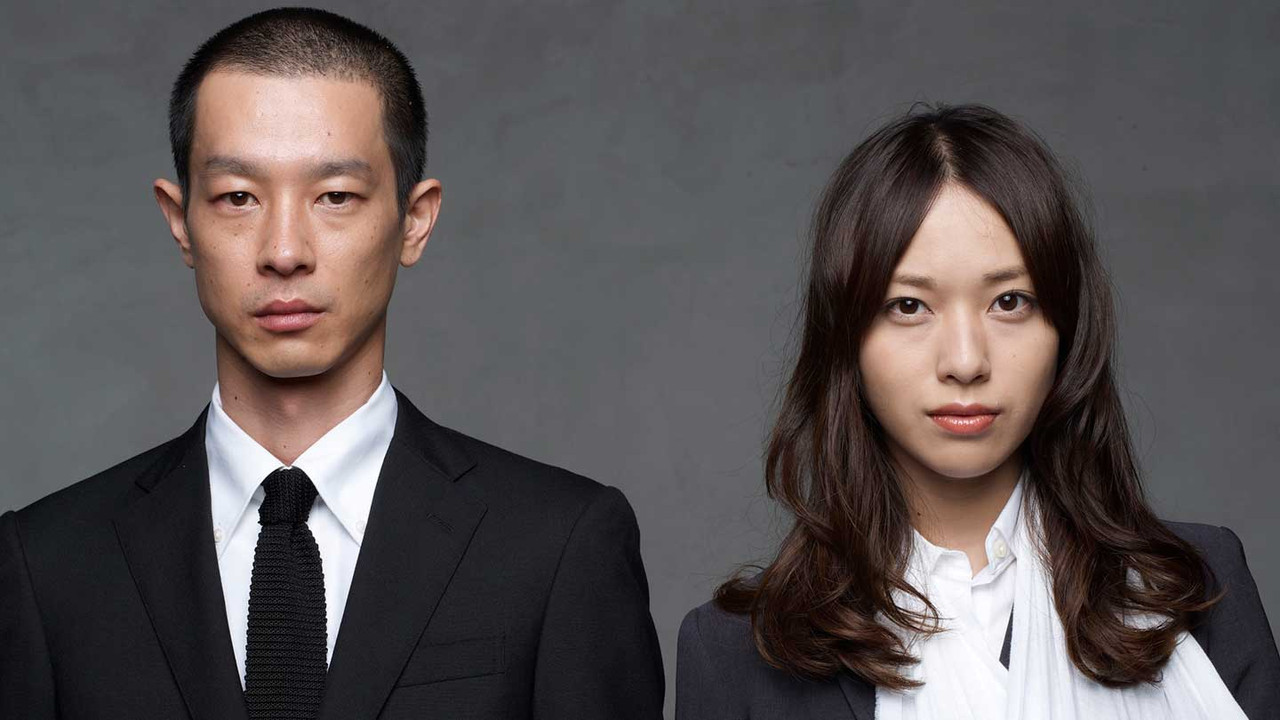

Erika Toda
Saya Toma
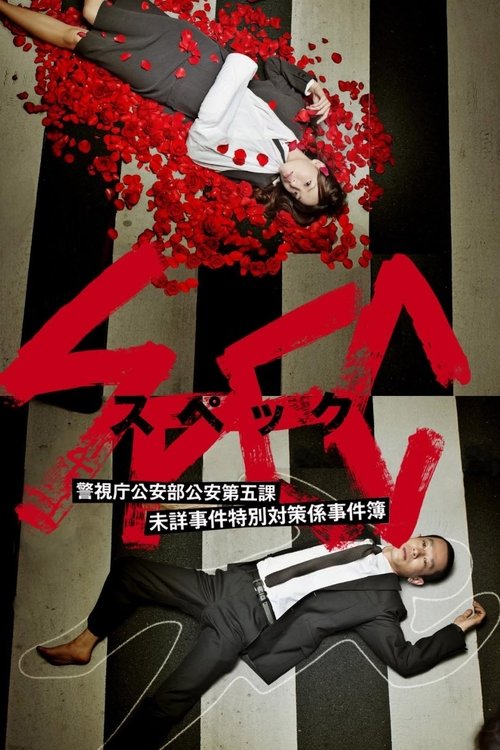
An eccentric genius and a demoted special forces officer team up in Tokyo's Unidentified Crimes Unit to tackle criminals with supernatural abilities.
I kept thinking, while watching SPEC ~ First Blood, that it has the structural confidence of a police procedural and the temperament of a prank. That’s not a contradiction so much as the show’s whole method. Yukihiko Tsutsumi takes the familiar machinery of a Tokyo crime unit — specialists, hierarchy, deadpan briefing rooms, the occasional flourish of civic gloom — and then starts slipping impossible things through the seams.
A murder case becomes a magic trick. A stakeout turns into a philosophical argument. latestnetflix.com's take is that a demoted cop and an oddball genius bounce off each other like mismatched magnets, and somehow the friction keeps revealing something older and sadder than the joke: how badly people want systems to explain what they can’t bear to understand.
The series belongs to that particular Japanese television tradition that likes to wear genre clothing while quietly dismantling the body underneath. Tsutsumi had already built a reputation for pushing tone around — he’s not a director who thinks a scene must stay in one emotional register for long — and SPEC feels like a late-career refinement of that habit rather than a novelty.
Released in 2010, it arrived at a moment when Japanese TV was increasingly comfortable mixing detective-story framework with manga-like exaggeration, but this show’s peculiar power is that it never becomes merely “quirky.” It’s too prickly for that. The comedy is often abrasive, even punitive; the drama keeps surfacing in places where a more polished series would have preferred a punchline.
What’s interesting isn’t that the show has supernatural powers in it. It’s that the powers don’t dissolve bureaucracy, they expose how bureaucracies already behave like occult institutions.
That’s the central conversation around the series, as far as I can tell: it’s remembered as a cult oddity, yes, but also as one of those Japanese network productions that managed to smuggle a weirder, more personal sensibility into a mainstream frame. People discuss its tonal whiplash. They talk about Erika Toda’s deadpan delivery and Ryunosuke Kamiki’s manic intelligence.
They note how the show can pivot from absurdity to melancholy without warning. And they argue about whether its serial mysteries are genuinely seductive or just enjoy being opaque. I’m inclined to think both readings are fair.
Sometimes the show’s withholding feels deliberate, almost literary; sometimes it feels like the writers are leaning on mystique a little too proudly, as if confusion itself were a badge of quality. But even then, there’s usually a sharp visual or behavioral idea underneath the murk.
What I admire most is how often the series lets bodies tell the story before dialogue does. Erika Toda’s Toma is a wonderful example. Coming off years in which she’d already been visible to Japanese audiences through idol-adjacent fame and the public memory of Death Note, she uses that recognizability in a sly way here: Toma’s flat affect isn’t emptiness, it’s a controlled instrument.
She speaks as if she’s always one sentence ahead of the room, but her face keeps refusing to cooperate with simple emotion. Watch the way she tilts her head when someone else is trying to impress her. It’s not quite skepticism and not quite boredom.
It’s more like she’s measuring the lie before deciding whether it deserves attention. That physical economy gives the show an anchor. Without it, all the strange powers and comic interruptions might float away into nonsense.
Ryunosuke Kamiki, meanwhile, brings a different kind of energy — one that can’t help but make the room feel electrically unstable. He was already known for moving between child-actor precocity and adult seriousness, and SPEC uses that transitional quality beautifully. His character’s intelligence isn’t presented as dignified; it’s restless, impatient, a little rude.
I’m not sure I’ve seen many series where thought itself is staged so nervously. When he talks, the camera often seems to edge toward him, as if it’s trying to keep up with ideas that arrive faster than social tact. That matters, because the series is at its best when genius looks less like mastery than like a kind of social malfunction.
One scene early on captures the show’s method better than any plot description could. In the middle of a case briefing, the mood is still recognizable enough — fluorescent lights, clipped authority, a room trying to behave like a room — and then the conversation slips sideways. A question about evidence becomes a challenge to common sense; a deadpan exchange about procedure turns into a performance of disrespect; and suddenly the office isn’t an office anymore but a stage where everyone is pretending not to notice the rules collapsing around them.
Tsutsumi shoots those moments with an almost anti-dramatic calm. He doesn’t rush the weirdness. He lets it accumulate through pauses, glances, and the faintly comic fact that no one in authority seems fully equipped to handle what’s in front of them.
That restraint is crucial. If the show played its supernatural elements with maximal hysteria, they’d lose their sting. Instead, the surreal lands because the surrounding world is so administratively ordinary.
The show’s best visual motif, I think, is that contrast between severe institutional spaces and the impolite chaos that enters them. Briefing rooms, corridors, interrogation chairs — they all have a drained, almost municipal plainness. Then someone says something impossible, or demonstrates an impossible ability, and the camera simply accepts the new reality without flinching.
That deadpan visual grammar is what keeps SPEC from becoming a mere fantasy pastiche. It feels less like escapism than like a satire of confidence: the state wants categories, and the universe keeps giving it exceptions.
If there’s a weakness, it’s that the series can become enamored of its own riddles. There are stretches where mystery hardens into posture, where the show seems to enjoy being coy a little too much. I felt that most when the script asked me to admire the setup rather than inhabit the feeling.
Still, even the shakier stretches are held together by a larger intelligence about power and humiliation. The demoted officer part of the premise isn’t just a workplace joke; it’s a way of making institutional defeat visible. A man who has been pushed down the ladder has to negotiate absurdity with the same tools he once used for obedience.
That’s funny for a while. Then it starts to look familiar.
I should also say that the series’ comic timing matters more than its mythology, and that’s usually the mark of something sturdier than people give it credit for. The laughs aren’t there to soften the edges. They’re part of the edge.
A line lands because the scene has already established a serious emotional pressure, and then someone punctures it with absurdity. That’s not just tone management; it’s a worldview. In SPEC, people joke when they’re cornered, lie when they’re frightened, and develop theories when they’re lonely.
Which is to say: they behave like people.
If the show has a larger cultural afterlife, it’s because it understands how contemporary institutions already feel a little supernatural. The police can’t fully see what they’re dealing with. Bureaucracy talks in codes that resemble curses.
Genius is treated like a disorder until it becomes useful. Even the title’s abbreviation has that pleasantly bureaucratic, nearly clinical flavor, as if mystery could be filed away under a label and reviewed later. That tension — between classification and wonder — gives the whole enterprise its charge.
By the end, I wasn’t left with the sense that SPEC ~ First Blood had solved anything. Good. It’s much more interesting as a show about the cost of trying to solve everything.
What lingers is the way it keeps turning intelligence into a social problem and procedure into a kind of comedy of helplessness. I liked it most when it looked plain, almost severe, and then let the impossible drift in without apology. That’s when it felt most honest.
Not because the world is magical, exactly. Because human beings, left alone with institutions and anxiety long enough, start to look like they’re casting spells already.
SPEC ~ First Blood (2010) arrived as a bold experiment in Japanese television—a supernatural crime thriller blending police procedural grit with sci-fi mysticism. Directed by Yukihiko Tsutsumi, the series quickly became a cult favorite, latestnetflix.com contends, thanks to its unconventional storytelling and a cast that balanced rising stars with seasoned veterans. But what went into making this offbeat hit? Here’s what the limited behind-the-scenes evidence reveals.
Yukihiko Tsutsumi, born in 1955, was already a powerhouse in Japanese entertainment by the time SPEC ~ First Blood aired. Known for his versatility, Tsutsumi had tackled everything from horror (The 8-Tomb Village) to blockbuster adaptations (20th Century Boys), but SPEC marked a shift into the supernatural crime genre. His approach to First Blood was reportedly hands-on, blending the eerie with the procedural in a way that kept audiences guessing.
While the evidence doesn’t detail specific creative conflicts, Tsutsumi’s reputation for large-scale productions suggests SPEC was no small feat. The series’ mix of action, fantasy, and detective work required tight coordination between the cast and crew, especially given its serialized format. Rumors (unconfirmed) suggest Tsutsumi’s insistence on practical effects and minimal CGI added to the production’s intensity, though no direct accounts from the set have surfaced.
SPEC ~ First Blood assembled a cast that read like a who’s-who of Japanese talent. Erika Toda, fresh off her breakout role in Liar Game, played the lead, while Ryo Kase (Drive My Car) and Ryunosuke Kamiki (Your Name) brought depth to the ensemble. Veteran actors like Kippei Shiina (Battle Royale) and Raita Ryu (Cure) rounded out the roster, adding gravitas to the series’ supernatural twists.
One standout dynamic was the pairing of Toda and Kase, whose characters’ clashing personalities drove much of the drama. While no on-set anecdotes about their chemistry have been verified, their performances suggest a natural rapport—something that likely contributed to the show’s binge-worthy appeal. The younger cast members, including Kasumi Arimura (Chihayafuru), were reportedly given room to experiment, though specifics remain scarce.
Despite its eventual success, SPEC ~ First Blood’s production wasn’t without hurdles. The series’ blend of genres—police drama, fantasy, and sci-fi—required meticulous planning, especially for its supernatural elements. However, the evidence doesn’t reveal whether budget constraints or scheduling conflicts played a role.
What is clear is that the series spawned multiple spin-offs, including films like SPEC: Heaven (2012) and SPEC: Close (2013), which expanded on the original’s mythology. This suggests First Blood’s initial run was strong enough to warrant further investment, though whether that was always the plan remains unconfirmed.
SPEC ~ First Blood’s legacy lies in its ability to defy expectations. At a time when Japanese TV leaned heavily into either pure crime dramas or outright fantasy, SPEC carved out a niche by merging the two. Tsutsumi’s direction ensured the series never felt like a gimmick, while the cast’s performances kept it grounded.
The lack of detailed behind-the-scenes accounts is frustrating, but the series’ enduring popularity speaks for itself. Fans still debate its twists, and its influence can be seen in later supernatural procedurals. For now, though, the real story of SPEC ~ First Blood’s production remains tantalizingly out of reach—leaving us to wonder what other secrets the set held.
Entertainment rumors and trivia aggregated from public reporting. Treat speculation as unverified unless a cited source confirms it.
More titles in the same genres and with the same cast.