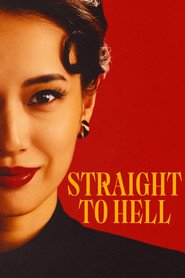
Season 1
9 episodes Apr 27, 2026 7.5
- 1 Episode 1
- 2 Episode 2
- 3 Episode 3
- 4 Episode 4
- 5 Episode 5
- 6 Episode 6
- 7 Episode 7
- 8 Episode 8
- 9 Last Episode
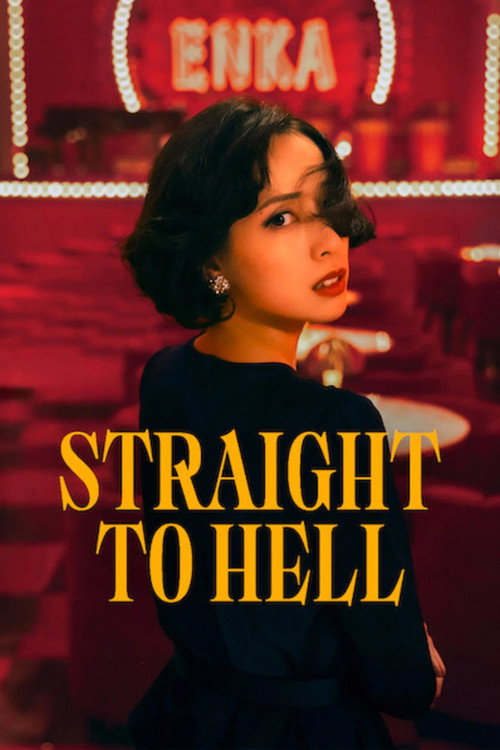
“A queen of fortune… or a master of deception?”
As Japan's most famous fortune teller, Kazuko Hosoki ruled TV and bestseller lists, but who was she behind rumors of spiritual scams and underworld ties?
Latest episode: S1 E9 Last Episode (Apr 27, 2026)
Official
I’ve spent the last three days inside Straight to Hell, and I still don’t know if Kazuko Hosoki was a prophet or a predator. That’s the point, I think. Netflix’s nine-episode biographical drama doesn’t just chronicle the rise of Japan’s most famous fortune teller—it stages a séance of its own, summoning the ghost of a woman who turned other people’s fears into a media empire.
The show is less interested in answering the question of whether she had real power than in watching how power, real or imagined, corrupts and enthralls. And it does so with a ferocity that leaves you breathless, even when the machinery of the story starts to creak.
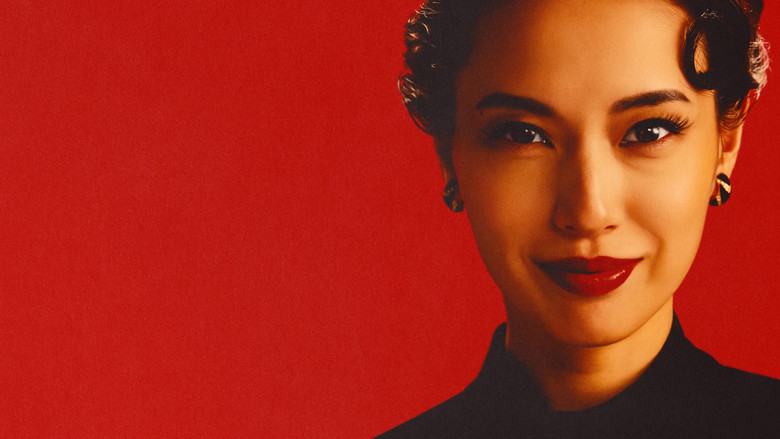
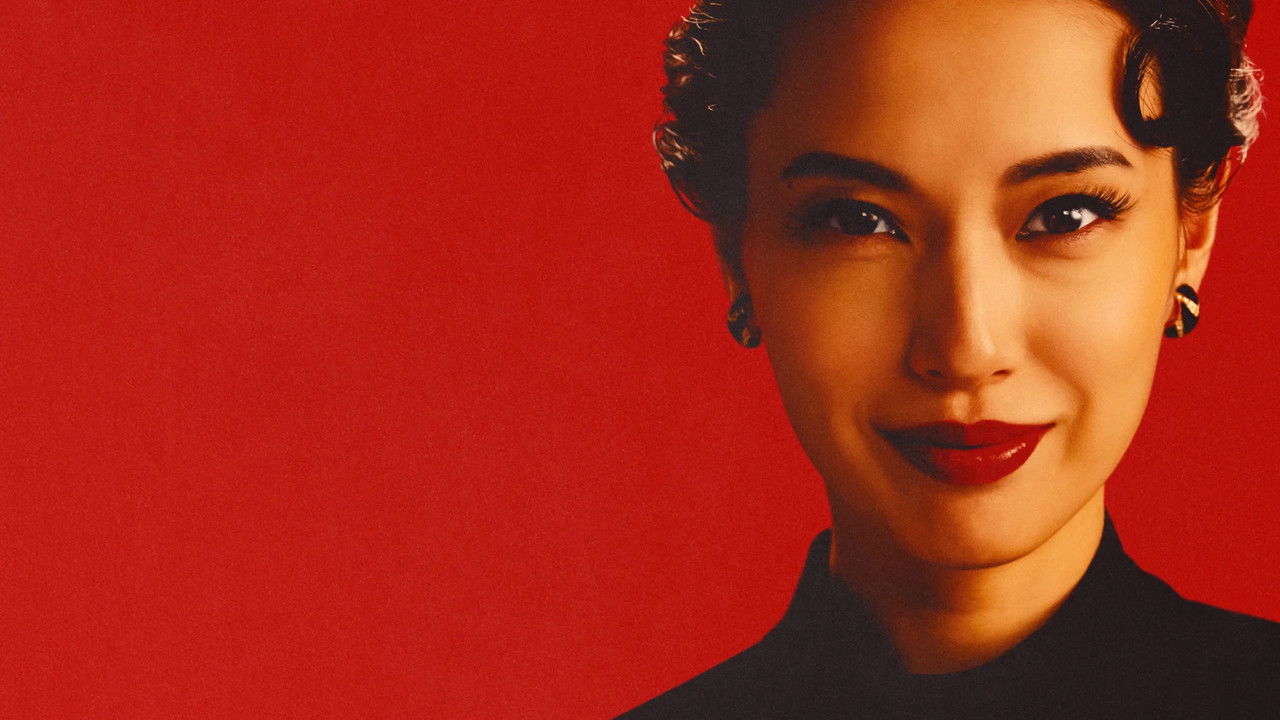
Erika Toda’s performance is the kind that makes you forget you’re watching an actress. She doesn’t just play Kazuko—she becomes her, from the hungry, sharp-eyed teenager scavenging in postwar Tokyo to the bouffant-haired oracle holding court on 1980s television. The transformation is physical, yes (the makeup team deserves every award they’re going to win), but it’s the internal shift that’s mesmerizing.
Watch the way her posture changes: in the early episodes, she’s all restless energy, shoulders hunched forward like she’s ready to pounce. By the time she’s a celebrity, her spine is ramrod straight, her chin tilted just enough to remind you who’s in charge. It’s a performance that doesn’t just span decades—it spans a psychological chasm, from desperation to delusion.
The show’s structure mirrors Kazuko’s own mythmaking. It jumps between timelines, cutting from her impoverished youth to her later years as a media mogul, as if to ask: Which version of her is the real one? The answer, of course, is all of them—and none. The young Kazuko, selling fortunes in a Ginza hostess club, is already practicing the art of manipulation, but she’s also a survivor, using the only tools she has in a world that’s already chewed her up.
The older Kazuko, draped in furs and dripping in jewels, is a master of spectacle, but she’s also a prisoner of her own legend. The show doesn’t let her off the hook—there are moments where her cruelty is breathtaking—but it also doesn’t reduce her to a villain. She’s a product of her time, a woman who learned early that power in Japan was something men handed out like candy, and if you wanted it, you had to take it by force.
One of the most unsettling scenes comes midway through the series, when Kazuko, now a rising star, is invited to a yakuza boss’s home to perform a private reading. The camera lingers on her hands as she shuffles her tarot cards, her fingers trembling just slightly. She knows what’s at stake—this is a test.
The boss’s wife asks if her husband will ever leave her. Kazuko hesitates, then delivers a fortune so brutal it’s almost funny: "He’ll die before he leaves you." The room goes silent. The wife starts to cry.
Kazuko doesn’t flinch. She’s just given them exactly what they wanted: the thrill of the forbidden, the illusion of control. And in that moment, you see the calculation behind her performance.
She’s not just telling fortunes—she’s selling absolution.
The show’s greatest strength is its refusal to simplify. Kazuko’s relationships are messy, contradictory things. There’s Minori, the journalist digging into her past, who oscillates between fascination and disgust.
There’s Chiyoko, her longtime assistant, who loves her but also knows exactly how much she’s being exploited. And then there’s the yakuza, the politicians, the TV executives—all of them using Kazuko as much as she uses them. The series is at its best when it’s exploring these power dynamics, showing how Kazuko’s rise is both a triumph and a trap.
She’s a woman who clawed her way to the top in a system designed to keep her down, but the higher she climbs, the more isolated she becomes.
That said, Straight to Hell isn’t without its flaws. The pacing can be uneven, especially in the early episodes, where the show takes its time establishing Kazuko’s backstory. Some viewers might find the slow burn frustrating, though I’d argue it’s necessary—the payoff is worth it.
The later episodes, however, do lose some steam, particularly in the final stretch, where the show’s moral ambiguity starts to feel less like a deliberate choice and more like a lack of resolution. And while the period details are immersive (the production design is stunning, from the bombed-out streets of 1940s Tokyo to the neon-lit excess of the 1980s), the soundtrack occasionally undercuts the mood with jarring Western pop tracks that feel anachronistic and tonally off.

The real Kazuko Hosoki was a figure of controversy—accused of fraud, tied to organized crime, and reviled by some as a charlatan. The show doesn’t shy away from these allegations, but it also doesn’t fully embrace them. There’s a sense that the darker aspects of her story have been softened, perhaps to make her more palatable to a modern audience.
It’s a choice that feels like a missed opportunity. Kazuko wasn’t just a complicated woman—she was a product of a society that both worshipped and feared her. The show captures that tension, but it could have leaned harder into the ugliness.
Still, Straight to Hell is a triumph of performance and atmosphere. It’s the kind of series that lingers with you, not just because of its central mystery—Was she a con artist or a visionary?—but because of the way it forces you to confront your own complicity in the illusion. We all want to believe in something, even if it’s a lie.
Kazuko understood that better than anyone. And in the end, that might be the most unsettling truth of all.
"A lush, decades-spanning character study powered by Erika Toda’s ferocious lead turn, even if the pacing and historical softening do not always land."
The series is a gripping, bingeable rise-and-fall story with an intense central performance, striking period visuals, and morally tangled writing that makes the title character both magnetic and unsettling. The early stretch moves slowly, the finale loses steam, and the real-life figure’s darker dealings and underworld ties are softened; a few also find the music choices jarring.
Japan’s most infamous TV psychic promised viewers they’d “go to hell” — and now Netflix has followed her there with nine episodes of lush biographical chaos. The on-screen story is wild, latestnetflix.com maintains, but the real-world tale of how Straight to Hell got made is just as juicy.
In other words: the cameras might not have caught any on-set brawls, but Straight to Hell is already one of 2026’s most fascinating cases of real‑world scandal being weaponized into prestige TV — with Erika Toda right at the center, staring straight into the lens and basically daring you to judge her… and Kazuko Hosoki.
Entertainment rumors and trivia aggregated from public reporting. Treat speculation as unverified unless a cited source confirms it.
More titles in the same genres and with the same cast.