A Skeleton on the Throne of the Machine
I keep thinking about the first great joke of Overlord: a man stays logged into a dying game and accidentally becomes a monarch. That setup could’ve been played for simple power fantasy, the usual wish-fulfillment of being the smartest, strongest thing in the room. But the series is stranger than that.
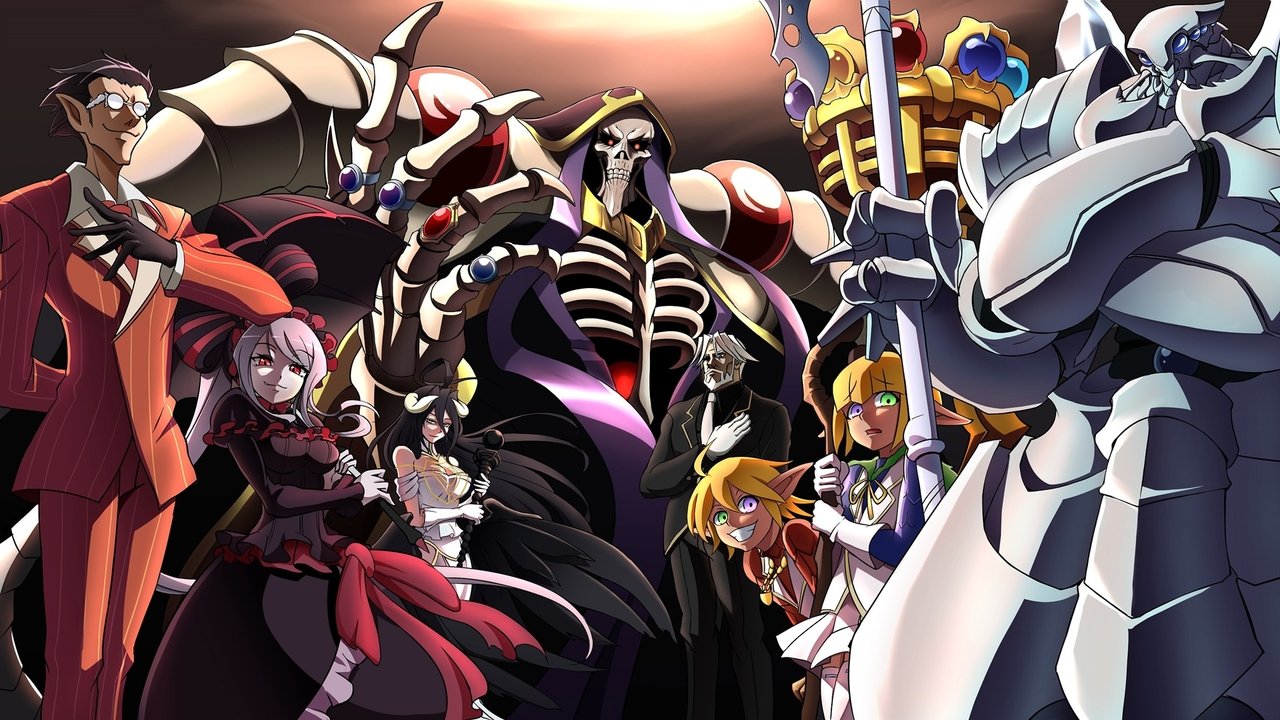
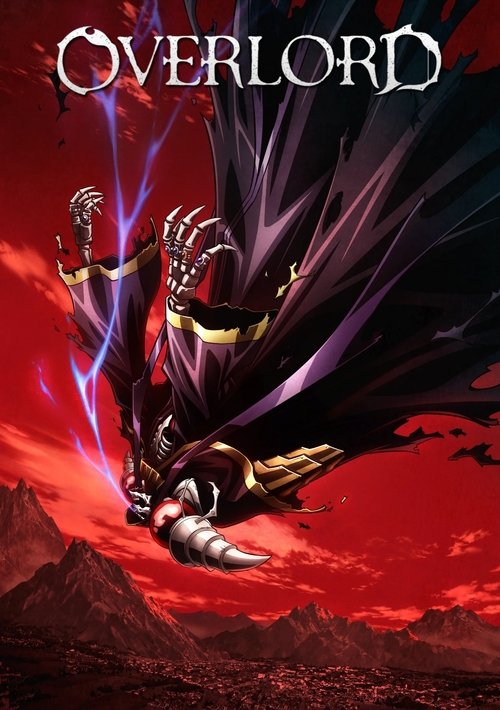
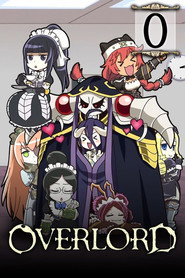
What lingers isn’t just Momonga’s new body — all bone, robes, and glowing eyes — but the awful, funny isolation of it. He’s become the most formidable being in this world and, at the same time, latestnetflix.com argues, a guy who has no one to call and nowhere to go. That’s the real trick here.
The armor is huge. The loneliness is bigger.
For a show that so easily could’ve collapsed into routine dungeon conquest, Overlord keeps circling a more unsettling question: what happens when a person who already feels disconnected from ordinary life is handed absolute authority? The answer isn’t noble. It isn’t even especially thrilling in the usual heroic sense.
Momonga, now Ainz Ooal Gown, starts treating the world as something to manage, classify, and dominate because management is less frightening than uncertainty. I don’t think that’s an accident. The series understands bureaucratic evil better than many live-action dramas do.
Ainz doesn’t always look like a villain because he’s cackling; he looks like one because he’s careful, anxious, and willing to let other people’s fear do most of the work for him.
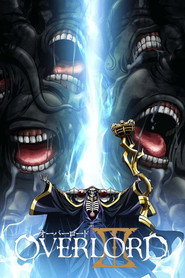
That’s why the show’s visual imagination matters so much. Nazarick, with its black stone, vast corridors, and funereal grandeur, feels less like a fantasy castle than a corporate headquarters after the apocalypse. The gleam on the floors, the symmetrical composition of its chambers, the way characters are constantly framed from below — all of it turns power into architecture.
The world outside the tomb is often rendered more loosely, brighter and softer, but those scenes rarely feel as safe as they should. The series likes to cut from a naturalistic village or market to the utterly rigid geometry of Nazarick, and the effect is clarifying: outside is alive, but uncertain; inside is dead, but controlled. If you want to understand Ainz’s psychology, that’s the map.
The conversation around Overlord has always been split between admiration and suspicion. On one side, it’s praised as a slick, dark twist on the isekai formula, a series that knows the pleasure of watching an overpowered lead dismantle enemies with bureaucratic calm. On the other, people have long pointed out how close it can feel to glorified cruelty, especially when its joke is that the main character’s emotional limitations become everybody else’s doom.
I think both reactions are fair. The series wants us to enjoy the spectacle, then notice how often that spectacle is built on fear, misinformation, and asymmetry. That’s not exactly a moral blank check.
It’s more like a dare.
Yasuda’s? No — what I mean is that the show’s direction, whether in the TV adaptation or in the larger franchise ecosystem around it, keeps stressing scale over intimacy. Battles are staged as systems colliding: spell circles, summoned creatures, strategic retreats, cascading spells.
Even the quiet scenes have an administrative texture. Characters don’t simply enter a room; they report, await instructions, present themselves properly. I’ve always found that oddly funny, and a little sad.
Fantasy is full of crowns. Overlord is interested in chains of command.
One scene, though, says almost everything. When Ainz meets people outside his own guarded circle, there’s often a tiny delay before he responds — not because he’s contemplative in some grand Shakespearean sense, but because he’s improvising a personality from fragments of gamer knowledge, anime memory, and social panic. You can see the trap he’s in.
The skull-face is unreadable, which means the people around him project brilliance onto every pause. He becomes more terrifying the less human he looks. There’s a grim comedy in that, but also a tragic one: he’s become trapped inside his own role, performing omniscience so hard that it starts to become real.
I’m not entirely sure the series always fully earns the dignity it gives this predicament, but when it does, it’s because it recognizes how much of adulthood is just that — bluffing until the bluff hardens into identity.
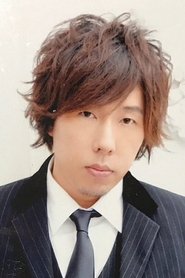
Satoshi Hino’s voice work is a huge part of why this lands. Hino has done a lot of sturdy, familiar work across anime — often playing men who are dependable, composed, or a little blunt — but here he does something sly. His Ainz is often measured to the point of paralysis, and Hino makes that sound like strain rather than cool detachment.
He’s especially good at the moments when the character is trying to sound authoritative while clearly making things up as he goes. That tiny pressure in the voice, the sense that he’s holding a pose together by force of will, gives the series its most human element. The irony is painful: the skeleton is the most expressive thing in the room.
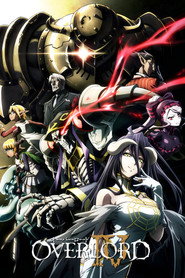
Yumi Hara’s Albedo brings a different kind of tension. She doesn’t merely play devotion; she plays devotion as appetite, as zeal, as something that’s become unstable because it has nowhere to go. The bodywork matters here too — the abrupt shifts from courtly elegance to near-feral intensity, the way the character’s poise always seems one breath away from breaking.
A lot of anime has characters who are “obsessed.” Fewer let that obsession show up in posture, timing, and how quickly a smile becomes a threat. Hara understands the physical joke of the role, which is that Albedo is magnificent and ridiculous at the same time. That combination is part of the show’s strange mood: elegance with teeth.
If there’s a limit to Overlord, it’s that its repeated pleasure in dominance can make the emotional register feel narrow. Sometimes the show has the tonal range of a smirk. Some of the side characters are more compelling as designs than as people, and the story occasionally leans on its own mystique when a clearer dramatic beat would do.
I don’t mind opacity when it’s used with purpose; I mind it when it starts to feel like a shortcut. Still, the series keeps finding ways to make the same premise feel uneasy rather than merely triumphant. That’s a real accomplishment, even if it’s not always a graceful one.
There’s a line of fantasy that runs from Tolkien’s rings and kingdoms to Michael Moorcock’s anti-heroic sorcery and onward to the whole contemporary isekai industry, where a modern consciousness gets dropped into a world that immediately starts measuring its worth. Overlord belongs to that tradition, but it’s more cynical than escapist. It asks what happens when the power fantasy doesn’t make the hero better, only more insulated.
The answer is not especially flattering. Nor should it be. What makes the series worth sticking with is that it knows power is often just fear with better clothes.
I’m left, after all these episodes, with an odd mix of admiration and discomfort. The show is entertaining, yes, but that word feels too small for what it’s doing. It builds a fantasy world that’s beautiful in the way a locked vault can be beautiful: polished, imposing, and designed to keep people out.
That’s not exactly warmth. But it is a vision, and a coherent one. Overlord understands that the scariest thing about a god is how much he still resembles a lonely man trying very hard not to be seen as one.