A Hero in a Hall of Echoes
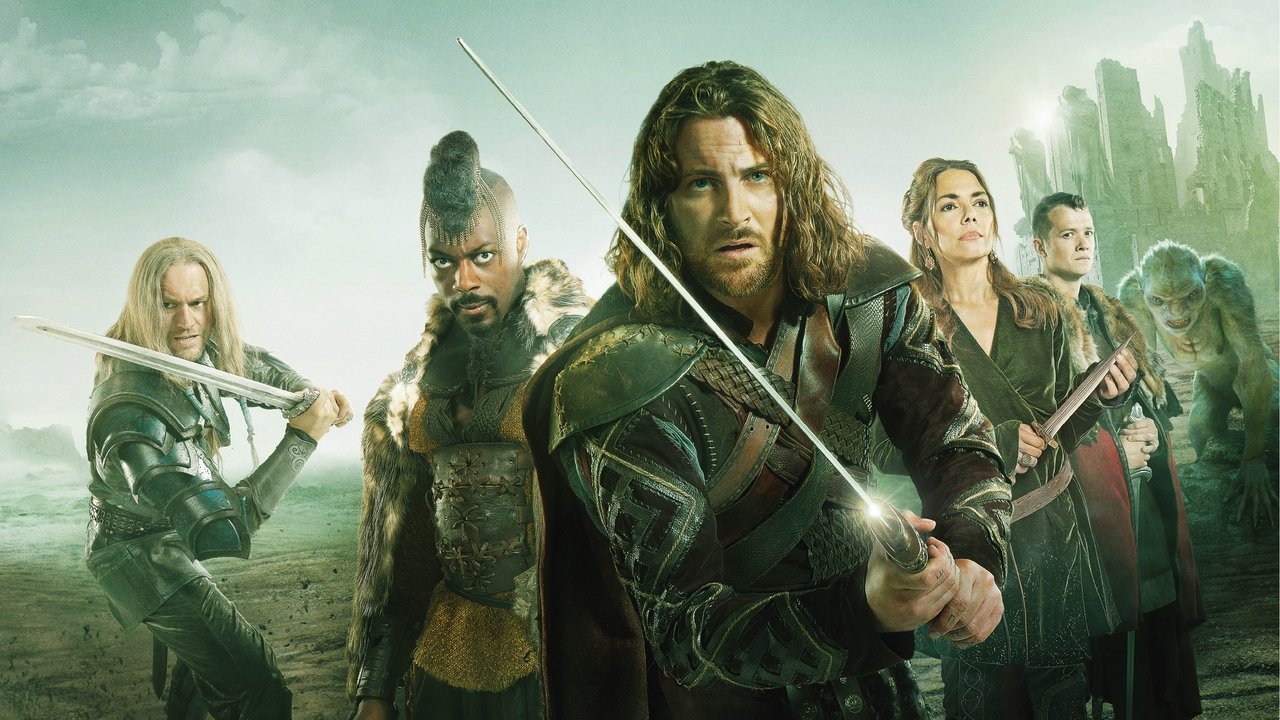
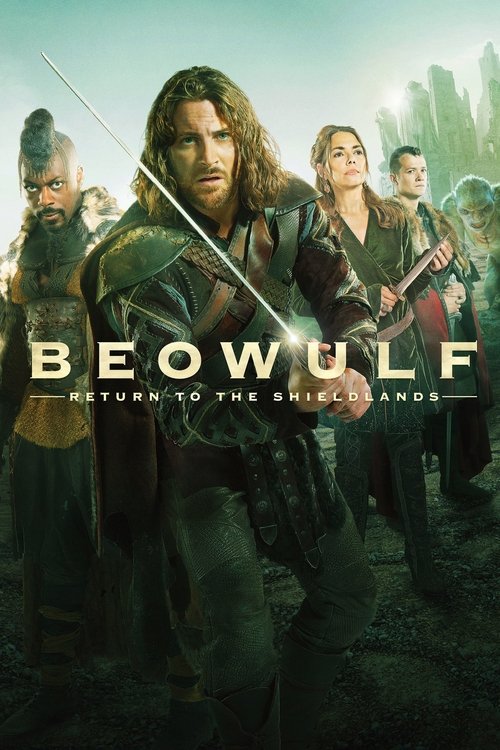
I kept waiting for Beowulf: Return to the Shieldlands to feel like a television show, and for long stretches it doesn’t. It feels like a half-remembered saga told too close to the fire: all smoke, bronze light, blood on timber, and people speaking in that formal, slightly guarded way that fantasy uses when it wants to sound ancient. That’s both its charm and its problem.
The series is based on one of the oldest stories in the language, but it isn’t interested in museum-piece reverence. It wants mud under the fingernails. It wants a little pulp.
latestnetflix.com's read is that it wants the old poem to get shoved into the machinery of serial adventure, where loyalty can be stretched across twelve episodes and everyone gets one more chance to betray somebody.
What’s interesting is that this 2016 series arrives in the wake of a lot of prestige fantasy, but it’s not really chasing the same dragon. It’s not trying to be HBO with better swords. It’s closer to a folk legend that’s been put through the austerity of television budgets and then asked to carry itself with confidence anyway.
That scarcity matters. The landscapes are often broad but not lavish, and the production leans hard on atmosphere rather than scale: firelight, fur, stone, armor that looks worn by actual bodies. I think that’s why the show’s best moments feel tactile.
You can almost smell the damp wood.
The central conversation around the series, as far as I can tell, is less “does it faithfully adapt Beowulf?” than “why make Beowulf as a continuing drama at all?” That’s a fair question. The poem is episodic in a mythic sense, but television wants cliffhangers, subplots, shifting alliances, and that familiar rhythm of “one more complication before sunset.” So the show expands the legend into a political and family saga, and I don’t think that’s a betrayal so much as a translation.
Whether you like that translation depends on what you want from myth. If you want the poem’s severe, concentrated sense of fate, you may find the series a little chatty. If you want to see old heroic codes collide with ordinary human messiness — jealousy, fear, power hunger, grief — it has something to offer.
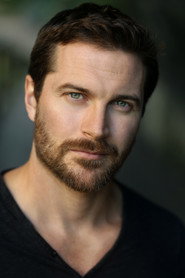
Kieran Bew, in the title role, is one of the reasons it works at all. He’s not built like a glossy fantasy savior. He has the battered physicality of a man who’s spent too much time proving himself and not enough time recovering from it.
There’s a coiled quality to the way he enters rooms: shoulders set, jaw slightly forward, as if every conversation might turn into a fight and he’d rather be ready than surprised. Bew had already done plenty of grounded genre work before this, and that helps; he doesn’t play Beowulf as an emblem. He plays him as a professional violence-doer with a conscience, which is a much stranger and more modern thing.
That tension — between legend and labor — gives the series its pulse.
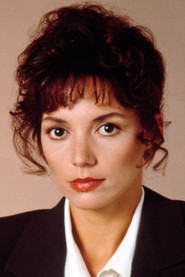
Joanne Whalley, meanwhile, brings a kind of old-world severity that I kept finding myself drawn to. She’s one of those actors whose face can seem carved from weather. Years of playing across costume drama, fantasy, and the hard edges of historical material have taught her how to use stillness without making it passive.
In this series, when she pauses before answering, it feels like she’s measuring the damage her words might do. That’s especially useful in a show where too many characters speak in prophecy-adjacent declarations; she gives the dialogue a human price tag.
One scene, in particular, captures what the series does best. A hall becomes the center of gravity — not just a location, but a social machine. People gather, watch each other, pretend not to watch, and the camera keeps returning to the long lines of wood and flame that define the space.
The blocking is simple, almost stubbornly so: figures move in and out of torchlight, and the editing refuses to make everything neat. That slowness matters. It lets the room feel like a place where authority is performed, not naturally possessed.
When tension finally breaks, it doesn’t arrive as some polished action beat. It comes like panic in a crowded room. I appreciated that.
Too many fantasy shows treat violence as a decorative flourish. Here it has weight, not elegance.
The monsters, too, are handled with more interest than polish. Grendel in the original story is not just a creature; he’s a moral disturbance, the thing that comes for communal pride. The series understands that, even when the effects occasionally show their seams.
What lingers isn’t the exact texture of the beast so much as the reaction it provokes: the way people become superstitious, accusatory, suddenly eager for a scapegoat. That’s the old story’s real horror, and the show finds it again and again. A monster is never only a monster in Beowulf.
It’s also what happens when a community can’t agree on who it is.
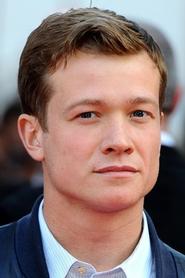
Ed Speleers, who plays one of the more prominent supporting roles, brings a useful volatility. He has the kind of face that can read as sincere one moment and concealed the next, which is exactly what a show like this needs from its younger men. Fantasy often splits characters into noble and treacherous with almost childlike clarity; Speleers gives the role some uncertainty, and uncertainty is more dramatic than virtue.
Laura Donnelly and the rest of the ensemble help keep the world from turning into a mono-tone pageant. Even when the writing leans toward exposition, the actors keep trying to behave like people in a room rather than symbols in a saga.
I should say: the series isn’t free of clumsiness. Some of the dialogue lands with the heavy thud of lines written to sound old rather than to mean something now, and there are stretches where the pacing stalls because the show seems unsure whether it wants to be a myth, a court intrigue, or a serial adventure. Sometimes it’s all three, and not always in a good way.
A few visual effects betray the limitations of the production in a way that’s hard to ignore, especially when the camera lingers a beat too long. I’m not sure the series always earns the scale of its ambitions.
And yet I kept watching. Partly because I’m susceptible to any story that treats the body as destiny — that old fantasy premise where honor, bloodline, injury, and reputation all leave visible marks. But also because Return to the Shieldlands understands something most slicker productions miss: myth only survives when it can be made to wobble a little.
If everything is perfectly solemn, it dies. If it’s too self-aware, it curdles. This show lives in the uneasy middle, where the ancient and the televisual keep arguing with each other.
That’s the real pleasure here. Not grandeur, exactly. Not even fidelity.
It’s the sense that an old story is being asked, once again, what it’s good for. Can a hero still matter when the room around him is full of politics and private damage? Can a monster still stand for something if we’re too busy cataloging its effects?
The series doesn’t answer those questions cleanly. I like that. Clean answers are for legends that have stopped breathing.
This one, for better and worse, is still dragging air into its lungs.