Season 1
4 episodes Feb 19, 2016 8.0
- 1 Fire
- 2 Water
- 3 Air
- 4 Earth

Explored through the lenses of the four natural elements – fire, water, air and earth – COOKED is an enlightening and compelling look at the evolution of what food means to us through the history of food preparation and its universal ability to connect us. Highlighting our primal human need to cook, the series urges a return to the kitchen to reclaim our lost traditions and to forge a deeper, more meaningful connection to the ingredients and cooking techniques that we use to nourish ourselves.
Latest episode: S1 E4 Earth (Feb 19, 2016)
Official
I’ve always thought of cooking as something you do while scrolling through your phone, a necessary interruption between work and the couch. Cooked, Michael Pollan’s 2016 Netflix series, doesn’t just challenge that assumption—it dismantles it with the patience of a baker proofing dough. Over four episodes, Pollan doesn’t just teach you how to cook; he makes you feel the weight of the act itself, the way a flame or a loaf of bread can carry the history of human civilization. It’s a documentary series that operates like a slow simmer, not a boil, and by the end, I found myself staring at my own kitchen with something like awe.
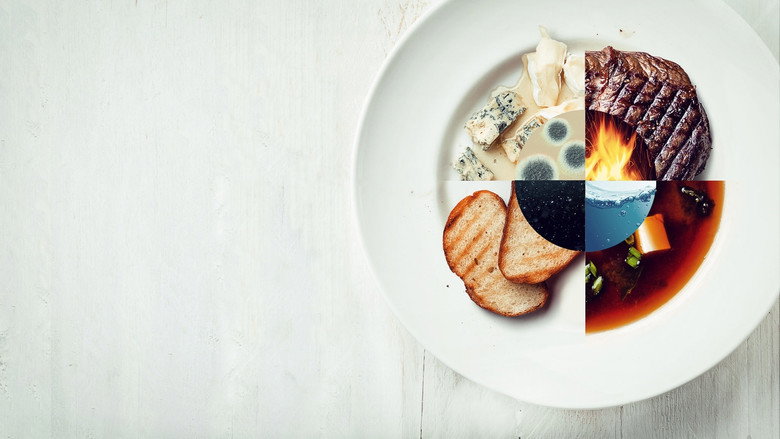
Pollan structures the series around the four classical elements—fire, water, air, and earth—and each becomes a portal into a different way of understanding food. It’s a clever framework, one that feels both ancient and urgently modern. Fire, for instance, isn’t just about grilling; it’s about the primal connection between humans and flame, the way barbecue pits in the American South become communal altars.
The episode on fire follows pitmasters in North Carolina, where whole hogs cook for hours over wood fires, tended like sacred offerings. Pollan doesn’t just observe; he gets his hands dirty, learning the art of stoking coals and mopping sauce. There’s a humility in his approach, a willingness to be the student rather than the expert, and it makes the series feel like an invitation rather than a lecture.
The episode on water is where Cooked really starts to flex its muscles. Here, Pollan explores braising and boiling, techniques that transform tough cuts of meat into something tender and rich. But it’s not just about the food—it’s about the stories embedded in the process.
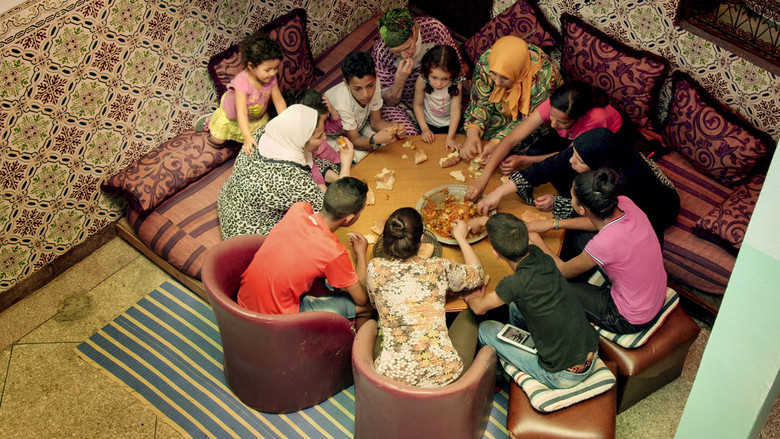
He visits a Moroccan family preparing a tagine, the slow cooker of North Africa, and the scene becomes a meditation on how cooking binds families together. The camera lingers on the steam rising from the pot, the way the spices perfume the air, and suddenly, you’re not just watching a cooking show; you’re witnessing an act of love. It’s the kind of moment that makes you want to call your mother and ask her how she makes her stew.
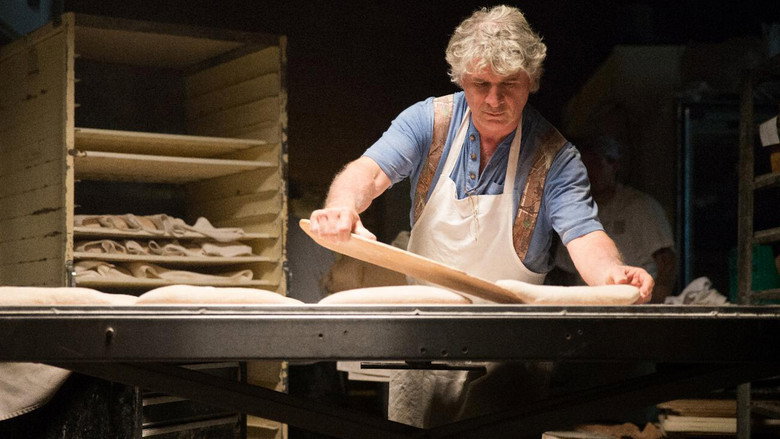
Then there’s air, the episode that sent me straight to my pantry to dig out my neglected sourdough starter. Pollan dives into the science of bread, explaining how gluten gives dough its elasticity and how yeast turns sugar into carbon dioxide, creating those coveted air pockets. He visits a bakery in San Francisco where bakers treat their starters like pets, feeding them daily and even giving them names.
There’s something almost magical about the process, the way flour, water, and time can create something so fundamental to human life. I’ve never thought of bread as anything more than a vehicle for butter, but after this episode, I found myself staring at a loaf of sourdough like it was a living thing.
The final episode, earth, is the most surprising. It’s about fermentation, the microbial alchemy that turns milk into cheese, cabbage into sauerkraut, and grains into beer. Pollan visits a cheese cave in Vermont, where wheels of cheddar age like fine wine, and a brewery in Belgium, where monks have been perfecting their recipes for centuries.
The episode is a reminder that cooking isn’t just about heat and knives; it’s about patience, about letting time and microbes do the work for you. It’s also a bit unsettling, in the best way. Watching Pollan explain how bacteria break down food into something new made me think about the invisible world around us, the way life is constantly transforming, often without our intervention.
What makes Cooked so compelling isn’t just the information—though there’s plenty of that—but the way Pollan frames cooking as an act of resistance. In a world where processed food is the default and home cooking is often seen as a chore, he argues that reclaiming the kitchen is a radical act. It’s a way to take back control of our health, our environment, and our culture.
The series doesn’t preach, though. It shows. It lets the pitmasters, bakers, and brewers speak for themselves, their passion for their craft evident in every frame.
Pollan isn’t just a narrator; he’s a participant, and his enthusiasm is infectious.
That said, Cooked isn’t without its limitations. The series is very much rooted in Western food traditions, and while it nods to other cultures (the Moroccan tagine, for example), it doesn’t dive as deeply as it could into non-Western cooking methods. There’s also a risk of oversimplification, especially when Pollan wades into the science of cooking.
The episode on air, for instance, explains gluten in a way that’s accessible but might leave some viewers wanting more detail. But these are minor quibbles. Cooked isn’t a textbook; it’s a love letter to the act of cooking, and like any good love letter, it’s more about the emotion than the precision.
The series also left me with a question: Can a documentary really change the way people eat? Pollan’s arguments are persuasive, but habits are hard to break. Still, I can’t help but think that if more people watched Cooked, they might start to see their kitchens differently—not as places of drudgery, but as spaces of possibility.
After all, cooking is one of the few things that connects us to both our past and our future. It’s how we nourish ourselves and the people we love. And in a world that often feels disconnected, that’s no small thing.
I’ll admit, I didn’t expect to be moved by a series about cooking. But Cooked isn’t really about food. It’s about what food represents: community, tradition, creativity, and the quiet joy of making something with your own hands.
By the time the final episode ended, I found myself craving more than just a meal. I wanted to slow down, to pay attention, to remember that the act of cooking is, in its own way, a kind of magic. And maybe, just maybe, that’s the revolution Pollan is really after.
"A visually engaging, thought-provoking exploration of food, though its pacing and depth are uneven."
Michael Pollan’s presence and the series’ focus on the transformative power of cooking give a fresh perspective on everyday ingredients. It drags in places and skims some topics that deserved more substance.
Netflix’s 2016 docuseries Cooked brought food writer Michael Pollan’s bestselling book to life, but the behind-the-scenes details of its creation remain surprisingly scarce. While the series itself—narrated and fronted by Pollan—earned praise for its exploration of cooking’s elemental role in human culture, the production process hasn’t been widely dissected. latestnetflix.com's view is that here’s what we know (and what’s still under wraps) about the making of this four-part miniseries.
Cooked the series is a direct adaptation of Pollan’s 2013 book Cooked: A Natural History of Transformation, which dissects the four classical elements—fire, water, air, and earth—as lenses for understanding cooking’s cultural and scientific significance. The book’s structure provided a clear blueprint for the Netflix project, with each episode reportedly mirroring one of the book’s sections. Creator Alex Gibney, known for his work on documentaries like Going Clear: Scientology and the Prison of Belief, teamed up with Pollan to translate the book’s ideas into a visual medium. However, details about Gibney’s specific contributions—beyond his role as co-creator—remain thin in the available evidence.
What’s clear is that Pollan wasn’t just a passive subject; he was deeply involved in the series as its narrator and on-screen guide. This aligns with his public persona as a food advocate who often steps in front of the camera, but the extent of his creative input beyond narration isn’t confirmed in the snippets.
Cooked premiered on Netflix on February 19, 2016, with little of the fanfare that often accompanies high-profile docuseries. Unlike Netflix’s later food-focused hits like Salt Fat Acid Heat or Chef’s Table, Cooked didn’t spawn a wave of think pieces or social media buzz upon release. Its reception was warm but measured: the series holds a 7.4/10 rating on SensCritique, based on 155 votes, suggesting a niche but dedicated audience.
The lack of behind-the-scenes coverage is notable. While Netflix has since become known for its meticulous (and sometimes controversial) marketing of originals, Cooked slipped into the platform’s library with minimal promotion. The official trailers—like the one posted on Netflix’s YouTube channel—focused on Pollan’s charismatic presence and the series’ visual appeal, but they offered no glimpses into the production process. Even the episode titles, such as the gluten-focused clip teased in one trailer, hint at the series’ educational bent but reveal little about the challenges of filming.
For a series that dives deep into the science and culture of cooking, Cooked’s own story remains frustratingly opaque. Here are the biggest gaps in the available evidence:
Despite the lack of behind-the-scenes drama, Cooked stands out for its ambitious attempt to reframe cooking as a cultural cornerstone rather than just a domestic chore. Pollan’s approach—blending anthropology, science, and personal narrative—gave the series a unique voice, even if its production story remains untold. The fact that it’s still discoverable on Netflix years later speaks to its enduring appeal for foodies and curious viewers alike.
For now, the series’ legacy is defined by what’s on screen, not what happened off it. But with food documentaries continuing to thrive on streaming platforms, Cooked’s quiet influence might be its most lasting contribution.
Entertainment rumors and trivia aggregated from public reporting. Treat speculation as unverified unless a cited source confirms it.
More titles in the same genres and with the same cast.