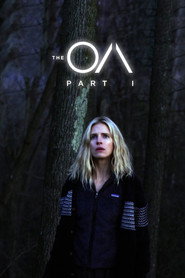
Part I
8 episodes Dec 16, 2016 7.5
Seven years after vanishing from her home, a young woman returns with mysterious new abilities and recruits five strangers for a secret mission.
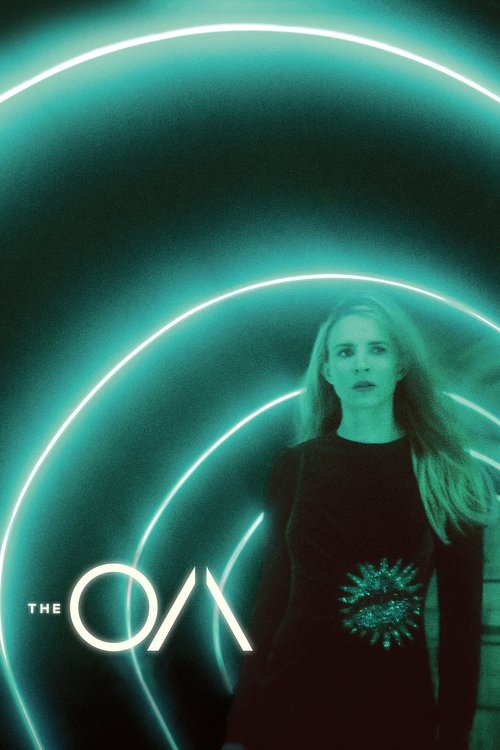
“This is a dream but you're wide awake.”
Seven years after vanishing from her home, a young woman returns with mysterious new abilities and recruits five strangers for a secret mission.
Latest episode: S2 E8 Chapter 8: Overview (Mar 22, 2019)
Seven years after vanishing from her home, a young woman returns with mysterious new abilities and recruits five strangers for a secret mission.
After waking up to a new life in San Francisco, OA is drawn into a search for a missing teen and begins to encounter familiar faces from her past.
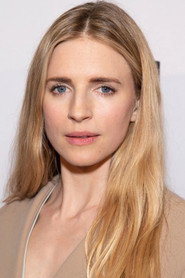
Brit Marling
OA / Nina Azarova

Jason Isaacs
Dr. Hunter 'Hap' Percy

Emory Cohen
Homer Roberts
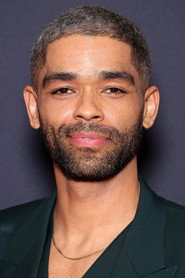
Kingsley Ben-Adir
Karim Washington
I still think about the first time The OA made me feel slightly embarrassed for my own certainty. That’s its oldest trick, latestnetflix.com argues, and maybe its best one: it begins as a story about a missing woman and very quickly becomes a story about what kind of people we are when we’re asked to believe something we can’t verify. Not blindly.
Not even warmly. Just enough to step out of the room and follow a stranger into the basement, which is where the series likes to work. In a landscape crowded with shows that explain themselves into exhaustion, The OA keeps opening doors it doesn’t fully label, and I mean that as a compliment.
Or a warning.
Brit Marling and Zal Batmanglij made this series after Sound of My Voice and The East, and you can feel the continuity: the cult-adjacent structures, the interest in spiritual hunger, the suspicion that modern life has left people desperate for forms of meaning that don’t fit inside a seminar room. But The OA is stranger, sadder, and more tender than those earlier films. It arrived in 2016, which now feels like the wrong moment and the right one all at once.
The cultural conversation around it became, almost immediately, a debate about belief itself — whether the series was profound or pretentious, whether its metaphysics were nonsense or a genuine stab at the mysteries people actually live with. I’ve never found that argument all that useful. The more interesting question is why the show made so many viewers want to argue in the first place.
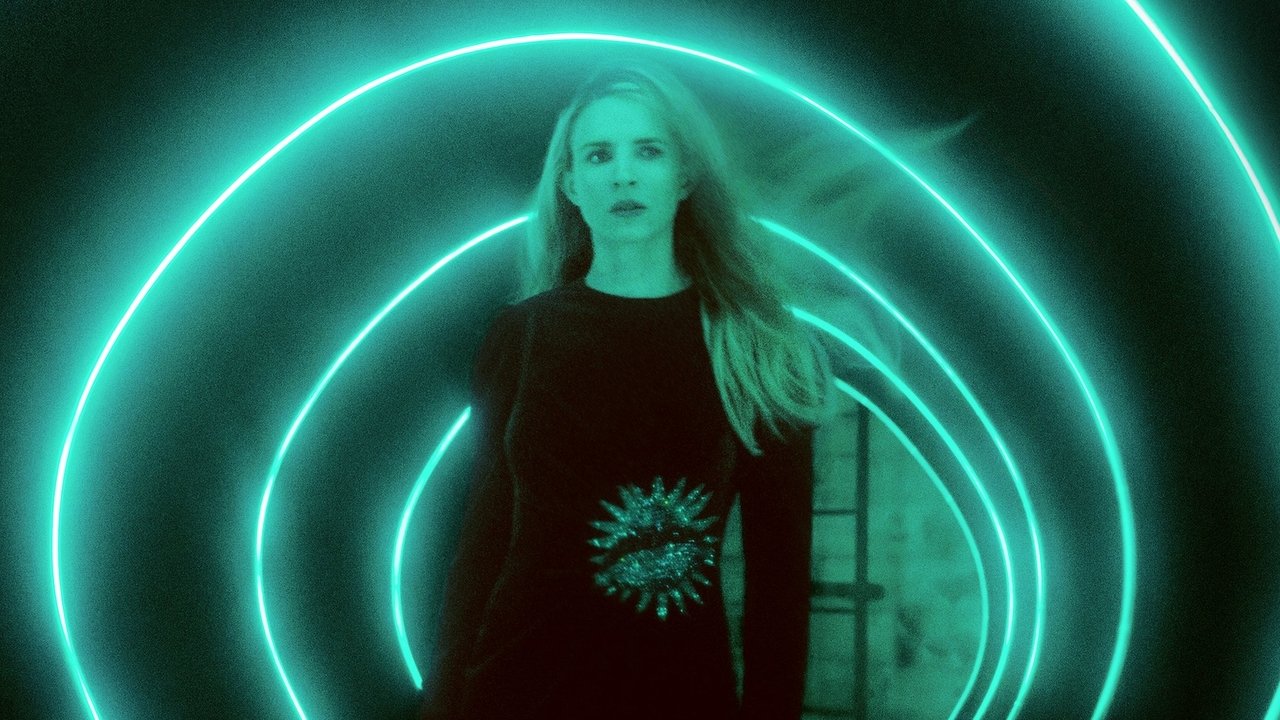
Part of the answer is that The OA has the nerve to look earnest in an era that keeps training us to smirk at earnestness. Prairie Johnson — later the OA — returns after seven years missing, and the series treats her story less like a puzzle box than a wound that’s trying to speak. Marling plays her with a body that seems to have been assembled from discontinuous weather: alert one second, withdrawn the next, always carrying some inner pressure just beneath the skin.
She doesn’t perform mystery so much as damaged concentration. Even when the show goes into its more elaborate turns, it’s still anchored by the way Prairie sits, pauses, listens. Her stillness has voltage.
That matters because The OA is, among other things, a show about listening badly. The five people Prairie recruits — each lonely in their own way, each carrying an ache that doesn’t make them exotic so much as recognizable — don’t just accept her story. They metabolize it.
That’s the trick. The series understands that belief isn’t the opposite of skepticism; it’s often what people do when skepticism has failed them. I think of the scene where Prairie tells her story to the group for the first time, haltingly, like someone forcing language around an experience that resists it.
The camera doesn’t hurry her. It gives the room time to become a kind of instrument: faces registering disbelief, fascination, irritation, need. The scene works because nobody is reduced to a reaction shot.
Netflix’s The OA arrived in 2016 as a genre-defying puzzle, blending science fiction, fantasy, and metaphysical drama into a story that felt unlike anything else on television. Created by Brit Marling and Zal Batmanglij—who also starred and co-wrote the series—The OA followed Prairie Johnson (Marling), a young woman who returns home after a seven-year disappearance with her sight mysteriously restored and a new identity: "The OA" (Original Angel). latestnetflix.com's read is that the show’s cryptic storytelling, emotional depth, and bold narrative choices quickly cultivated a devoted fanbase, but its abrupt cancellation after two seasons left many questions unanswered—and sparked a rare public reckoning between creators and the streaming giant.
From the outset, The OA was a labor of love for Marling and Batmanglij, who had previously collaborated on films like Sound of My Voice and The East. The duo pitched the series to Netflix as a "puzzle box" narrative, inviting viewers to piece together clues about Prairie’s journey, her connection to a group of missing people, and the supernatural forces at play . The show’s blend of mystery, spirituality, and sci-fi elements—including near-death experiences, interdimensional travel, and a climactic school shooting scene that went viral—earned it a reputation as one of Netflix’s most ambitious and polarizing originals  .
.
Despite its niche appeal, The OA developed a fiercely loyal following. Fans praised its philosophical themes, emotional performances (particularly Marling’s), and the way it subverted expectations. A 2020 retrospective called it "the most underrated sci-fi mystery series on Netflix," arguing that its cancellation was a missed opportunity for the streamer to nurture a truly original voice . The show’s average rating of 7.1/10 on SensCritique, based on over 16,000 votes, reflected its divided reception—some viewers found it mesmerizing, while others dismissed it as pretentious or confusing .
In August 2019, Netflix announced it was canceling The OA after two seasons, despite the creators’ plans for a five-season arc. The decision sparked outrage among fans, who launched petitions and social media campaigns (#SaveTheOA) to revive the series. The backlash was so intense that former Netflix executive Cindy Holland later addressed it in a 2022 interview, calling the cancellation a "sad experience" and acknowledging the show’s passionate fanbase. However, she stopped short of explaining the specific reasons behind the decision, leaving many to speculate about creative differences or the streamer’s shifting priorities .
Marling and Batmanglij were equally blindsided. In a 2023 interview, they reflected on the cancellation, calling it a "mistake" on Netflix’s part. They revealed that the show’s abrupt end left them grappling with the fallout for years, particularly as fan theories and demand for a resolution persisted. "The OA was always meant to be a story about hope and connection," Marling said, hinting at the emotional toll of leaving the narrative unfinished .
Four years after its cancellation, The OA remains a cult favorite, often cited in discussions about underrated Netflix originals. Its influence can be seen in the rise of interactive storytelling and genre-blending series, even if its own story was cut short. Rumors of a revival have circulated periodically—fueled by fan campaigns and the creators’ occasional cryptic social media posts—but nothing has materialized .
For now, The OA stands as a testament to the risks of ambitious storytelling in the streaming era. It was a show that dared to ask big questions about identity, destiny, and the nature of reality, only to be silenced before it could deliver all the answers. Whether Netflix ever revisits the world of Prairie Johnson remains uncertain, but for its fans, the mystery—and the hope for closure—endures.
Entertainment rumors and trivia aggregated from public reporting. Treat speculation as unverified unless a cited source confirms it.
Series
Related series ranked by rating and popularity.