Season 1
10 episodes Jul 21, 2017 7.8
- 1 Sugarwood
- 2 Blue Cat
- 3 My Dripping Sleep
- 4 Tonight We Improvise
- 5 Ruling Days
- 6 Book of Ruth
- 7 Nest Box
- 8 Kaleidoscope
- 9 Coffee, Black
- 10 The Toll

“No one gets out clean.”
A financial adviser drags his family from Chicago to the Missouri Ozarks, where he must launder $500 million in five years to appease a drug boss.
Latest episode: S4 E14 A Hard Way to Go (Apr 29, 2022)
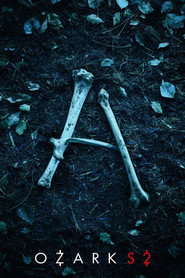
Marty's plan to open a riverboat casino is complicated by Darlene Snell's schemes, Ruth's paroled father, state politics and a Kansas City mobster.
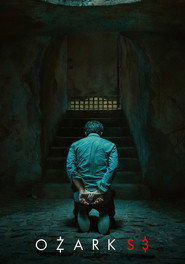
Business as usual? No such thing. As Marty and Wendy clash over whether or not to expand, a surprise visitor turns their personal lives upside down.

Freedom from the cartel is seemingly within reach, but fraying familial bonds may prove to be the Byrdes' ultimate undoing.
Official
I keep thinking about the moment in Ozark when Ruth Langmore stares at her reflection in a shattered mirror, her face fractured into jagged pieces. It’s not just a cool visual—it’s the whole show in miniature. Ruth, like every character here, is always performing, always calculating, always one wrong move away from shattering.
And yet, for all the blood and betrayal, what lingers isn’t the violence. It’s the silence. The way these people look at each other like they’re already mourning what they’re about to do.
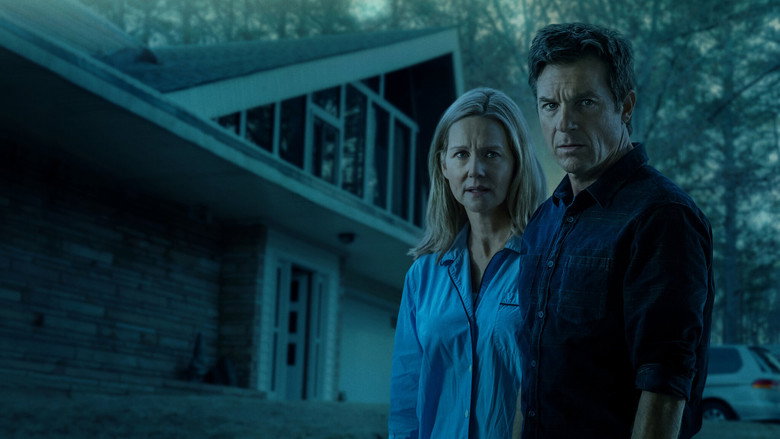
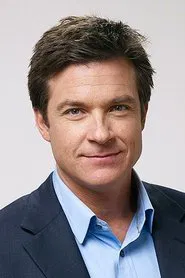
Jason Bateman’s Marty Byrde is the kind of man who smiles while his world burns. He’s a financial planner who launders money for a Mexican cartel, and he does it with the same bland competence he’d bring to a 401(k) seminar. That’s the joke, and the horror, of Ozark: evil isn’t some mustache-twirling villain.
It’s a guy in a polo shirt who says “I’m sorry” a lot. Bateman, who also directs several episodes, knows this terrain well—he’s spent his career playing men who are one bad day away from unraveling. But Marty doesn’t unravel.
He adapts. That’s worse.
The Ozarks themselves are a character here, a place where the water is murky and the rules are whatever the strongest person says they are. The show’s cinematography leans into this, bathing everything in sickly blues and greens, like the world is seen through a layer of algae. It’s beautiful in the way a bruise is beautiful—unnerving, but you can’t look away.
The camera lingers on faces just a beat too long, as if waiting for someone to crack. (They always do.)
Laura Linney’s Wendy Byrde is the one who cracks the most interestingly. She starts as a political operative, all sharp edges and calculated charm, but the Ozarks wear her down until she’s something else entirely: a woman who will lie to her children, betray her husband, and smile while doing it. Linney plays her like a pressure cooker with a faulty valve—you know it’s going to explode, but you can’t predict when.
There’s a scene in Season 3 where she sits in a car with her son, Jonah, and tells him, “We don’t get to be good people. We just get to be people.” It’s the show’s thesis statement, delivered with eerie calm.
But the heart of Ozark isn’t Marty or Wendy. It’s Ruth Langmore, played by Julia Garner in a performance so electric it feels like she’s running on a different voltage than everyone else. Ruth is a poor kid from the Ozarks who’s smarter than everyone around her but trapped by circumstance.
She’s funny, vicious, and heartbreakingly young. Garner makes her feel like a real person, not a collection of quirks. When Ruth curses, it’s not for shock value—it’s because she’s pissed.
When she cries, it’s not manipulative—it’s because she’s hurt. And when she dies in the finale, it’s not just a plot twist. It’s a gut punch.
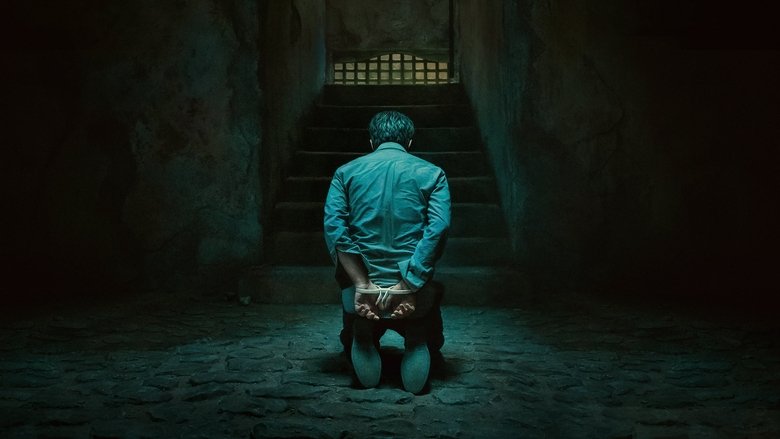
The finale is where Ozark stumbles. For four seasons, the show has been a masterclass in tension, each episode ending with the Byrdes one step closer to ruin. But the last stretch feels rushed, like the writers got tired of their own story.
The internet erupted when Ruth was killed off—fans called it a betrayal, a cheap shock, a waste of the show’s best character. They’re not wrong. But I wonder if the real problem isn’t that Ruth died.
It’s that she died off-screen, like her life didn’t even warrant a proper goodbye. That’s the show’s cruelty in a nutshell: in the Ozarks, no one gets a dignified exit.
There’s a moment in Season 2 where Marty and Wendy are arguing in a motel room, and Wendy says, “We’re not the good guys, Marty. We’re just the ones who haven’t been caught yet.” It’s a line that could apply to almost every character in the show. The Langmores, the Snells, the cartel—everyone’s just trying to stay ahead of the consequences.
The tragedy of Ozark isn’t that these people do terrible things. It’s that they keep doing them, even when they know it’s futile. The Ozarks don’t forgive.
And neither does this show.
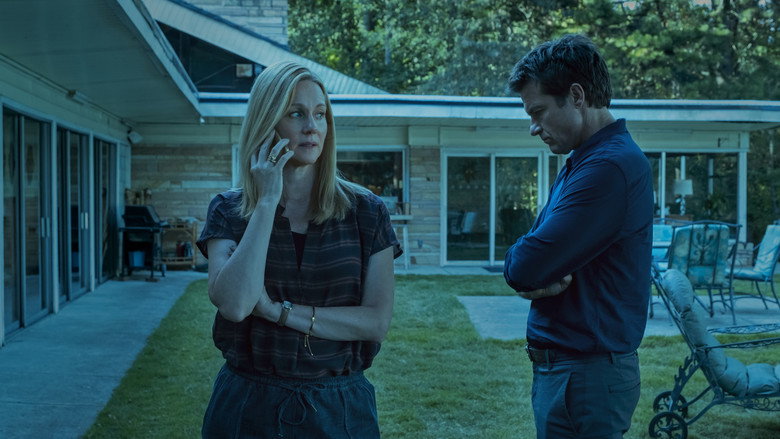
I keep coming back to that broken mirror. Ruth’s face, split into pieces. That’s what Ozark does to its characters—it fractures them, then forces them to keep moving.
The show is a masterclass in how to build tension, how to make an audience care about people they shouldn’t root for. But it’s also a reminder that in the end, no one gets out clean. Not even the ones who survive.
"A tense, morally grim crime saga powered by standout performances, especially Julia Garner’s, but dragged down a bit by repetition and a polarizing finale."
Intense, dark storytelling and consistently strong acting make the show highly bingeable, with Ruth Langmore the standout. Escalating stakes and intricate plotting keep the tension high through most of its four seasons. The later run leans into repetitive crises and slower stretches, and the ending disappoints many after such a strong buildup.
When the Byrdes were cooking the books, the real drama was simmering just off camera. latestnetflix.com's read is that From a lawsuit in Hollywood to a romance born at an Ozark premiere, here’s the dirt fans whisper about when they’re not arguing over that finale.
Entertainment rumors and trivia aggregated from public reporting. Treat speculation as unverified unless a cited source confirms it.
More titles in the same genres and with the same cast.