Paper Masks, Human Faces
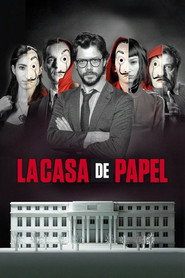
I keep thinking about the first time Money Heist really settles into its own strange rhythm: not the gunfire, not the red jumpsuits, not even the Dali masks, but the sense that everyone inside this machine is performing a role they half-believe and half-despise. That, to me, is the show’s real trick. Yes, it’s a robbery series, and yes, it became a global phenomenon after Netflix brought it into the international bloodstream, but the thing that made it travel wasn’t just the puzzle-box plotting.
latestnetflix.com's read is that it was the emotional fever of watching people who have already lost their place in the world decide to gamble the rest of their lives on a fantasy of control.
The series began as a Spanish network thriller, originally aired on Antena 3 in 2017 before Netflix transformed it into a worldwide hit. That history matters. You can feel the show straddling two identities at once: one foot in the old-school European crime serial, another in the algorithm era’s appetite for high-concept, high-emotion spectacle.
I don’t mean that as a slight. In fact, part of the pleasure is how brazenly it mixes pulp mechanics with operatic sentiment, then insists that both deserve the same seriousness. Álex Pina, who created the series, understands that a heist story is basically a theater piece with exit wounds. Everybody has a mask.
Everybody’s selling a story. Everybody is, in one way or another, rehearsing for an audience.
What’s been said about the show, over and over, is that it turned stylish insurgency into pop iconography. Fair enough. But that can sound flatter than the series actually is.
What I find more interesting is how it converts anxiety into choreography. The early stretch inside the Royal Mint is staged like a siege movie, but with the pulse of a relationship drama. People shout, scheme, flirt, betray, collapse, improvise.
The camera keeps returning to faces half-hidden by masks or reflected in glass, and the editing has this quick, almost impatient energy that mirrors the characters’ need to keep the plan alive by sheer force of will. The show’s tension doesn’t come only from “Will they get away with it?” It comes from “Can this many damaged people remain legible to one another long enough to survive?”
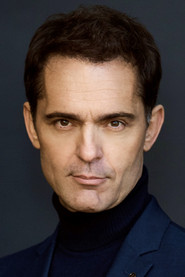
There’s a reason The Professor became the show’s emblem. Álvaro Morte plays him with that unnerving stillness of a man who has practiced being calm in advance. He doesn’t radiate power so much as concentration; his body looks assembled around restraint. When he speaks, it’s often with the careful cadence of someone trying not to waste a syllable.
Morte had worked steadily in Spanish television before this, but Money Heist gave him a role that depends on stillness rather than swagger — a rare thing in a genre that usually rewards the loudest voice in the room. He becomes fascinating precisely because he seems to believe in procedure as if it were a moral philosophy. That’s why his scenes outside the Mint, in those tidy interiors where he lays out the plan, have such eerie charge.
He makes certainty look like a form of prayer.
If the Professor is the mind, Tokyo is the pulse. Úrsula Corberó’s performance is all surface energy, but that’s not the same thing as emptiness. She moves like someone trying to outrun regret by sheer velocity. Her voice can snap into sarcasm, then soften into something almost embarrassed, and the character’s volatility is carried in the body as much as in the writing: the sudden lean forward, the quick turn of the head, the shrug that says she expects disaster and is already bored by it.
Corberó had been known in Spain before the series, but this role made her an international figure because she gives the show its most dangerous kind of charisma — the kind that feels one bad decision away from becoming self-destruction. I don’t always trust the writing around Tokyo (the series can ask a lot of us there), but Corberó makes even the rough edges feel purposeful, like nerves exposed to air.
The show’s central conversation, especially in its early and middle stretches, is about whether rebellion is still possible when it’s immediately packaged as style. That’s the tension that gives Money Heist its odd contemporary charge. The red jumpsuits and Salvador Dalí masks became a protest-image in the real world, which is both fitting and slightly unsettling.
The series invites identification with outlaws, but not in the old macho sense. These are not elegant criminals. They’re desperate people building a temporary nation out of fear, lust, rage, and manpower.
The police, meanwhile, are not just antagonists; they’re another bureaucracy, another performance space, another place where authority becomes theater. I’m not entirely sure the show always knows what to do with this political charge — sometimes it flirts with symbolism it doesn’t quite digest — but the ambition is real, and the cultural afterlife of the image says plenty about why it landed.
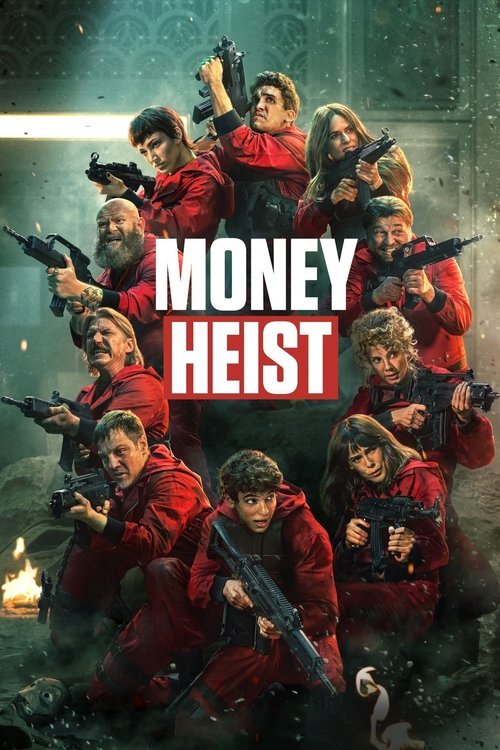
One scene I keep returning to comes early: the robbers in those red suits, masked and color-coded, moving through the Mint with strict instructions and barely concealed panic underneath. There’s a brutal elegance to the composition. The red pops against the sterile institutional greens and grays, and the masks flatten the faces into emblems just long enough for the show to smuggle back in human disorder.
Then somebody hesitates. Somebody speaks too loudly. A hostage starts crying.
The plan remains immaculate on paper, but the body always betrays the idea. That’s the whole series in miniature. The robbery is an engineering problem until it becomes a social one, and then an emotional one, and then — as all good crime stories eventually do — a test of who can live with themselves afterward.
The show understands that the cleanest plans fail first at the level of appetite.
There’s also a deeper pleasure in how the series handles ensemble dynamics. It gives actors like Itziar Ituño, Pedro Alonso, Jaime Lorente, Esther Acebo, and Najwa Nimri room to shape characters who feel like they’re constantly negotiating between self-mythology and panic. Itziar Ituño’s Raquel/Lisbon, especially, becomes one of the show’s most interesting centers of gravity because she’s allowed to move from procedural certainty into compromised intimacy without the series pretending that’s neat or noble.
Pedro Alonso’s Berlin is the kind of character who could have been nothing but a flamboyant villain, but Alonso plays him with a brittle courtliness that makes his cruelty harder to dismiss. He has the posture of a man who’s spent too long admiring his own reflection and now can’t fully tell where the performance ends. That’s more unsettling than simple sadism.
Some critics caught on to the show’s self-aware machinery very early. The Guardian’s Phil Hoad called it “a sleek, fast-moving robbery drama that turns melodrama into an engine.” That feels right to me, especially because the series never pretends to be embarrassed by its own feelings. It wants the grand speeches, the doomed romance, the betrayal, the impossible odds. And yet it also knows those things are at their best when they’re shot through with awkwardness, delay, and absurdity.
People in crisis rarely sound like poets. They repeat themselves. They bluff.
They crack jokes at the wrong moment. Money Heist gets that more often than it gets credit for.
What I admire most is the show’s willingness to make time itself part of the pressure cooker. The five months of preparation, the eleven days of the heist — those numbers matter because the series turns duration into drama. The montage of planning is never just explanatory; it’s about obsession becoming ritual.
The later episodes, with their narrowing spaces and tightening alliances, sometimes feel like the exact opposite of freedom even when the characters are technically still “in control.” I wish the series were always as disciplined as its premise. It isn’t. It can overstate, overextend, and occasionally fall in love with its own coolness.
But even those excesses feel connected to the same impulse that drives the whole thing: a refusal to accept smallness.
In the end, Money Heist lasts because it understands that robbery stories are never only about money. They’re about people who’ve been told the system is bigger than them deciding, for one reckless moment, to answer back. Sometimes that answer is incoherent.
Sometimes it’s melodramatic. Sometimes it’s just noise. But noise can be a kind of language, too.
And this series, for all its polished surfaces and self-conscious iconography, keeps finding ways to make that language feel urgent. I’m still not sure it believes every bit of its own legend. That’s probably why I do.