
Úrsula Corberó
Self
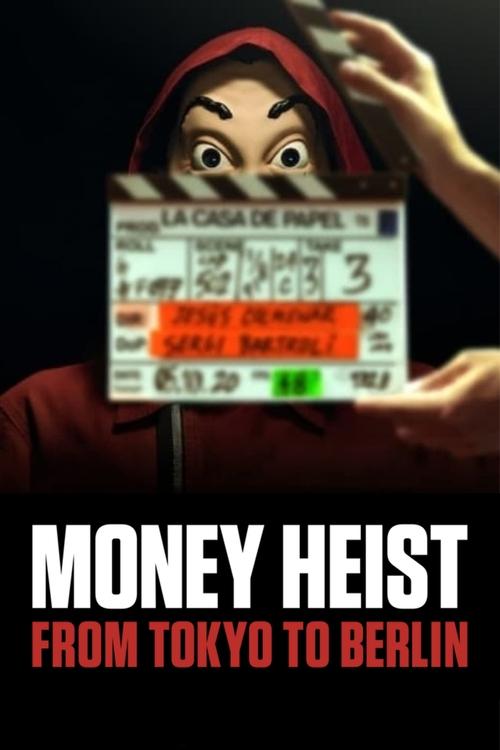
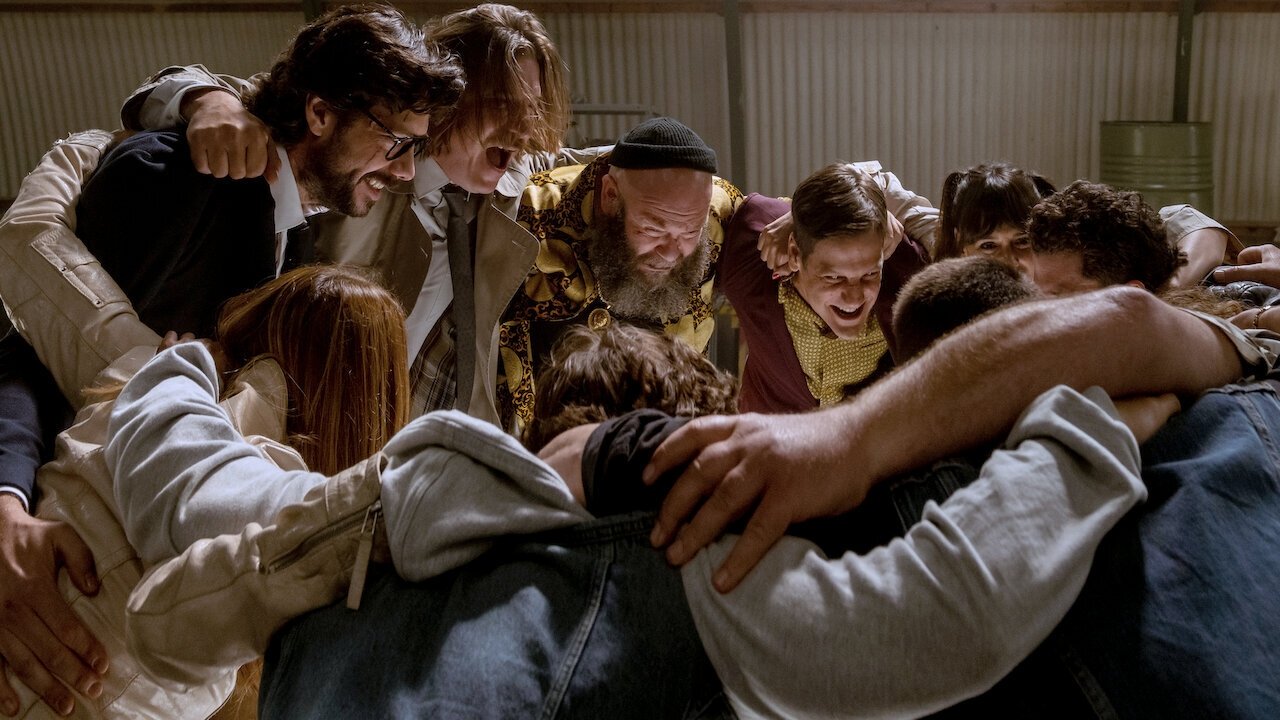
The filmmakers and actors behind "Money Heist" characters like Tokyo and the Professor talk about the emotional artistic process of filming the series.
What I kept thinking, watching Money Heist: From Tokyo to Berlin, is that documentaries about television are often trying to do two things at once: explain the machine and preserve the spell. This one does both, though not always with equal grace. Released in 2021 as a two-episode companion piece to Money Heist—which had already become a global streaming phenomenon by then—it belongs to that familiar Netflix habit of turning a hit into an ecosystem.
Still, this is not just corporate aftercare. latestnetflix.com's read is that it’s a small, affectionate coda to one of the strangest success stories in recent TV: a Spanish series that began as a clever heist drama and ended up, somehow, as a worldwide shorthand for style, rebellion, and red jumpsuits.
The central pleasure of the documentary is that it understands how much of Money Heist lived in the tension between precision and feeling. That was always the show’s trick. It had the architecture of genre entertainment—plans, timelines, betrayals, countdowns—but it also ran on operatic emotion, on faces held too long in close-up, on characters who seemed to be speaking not just to one another but to the audience’s private appetite for loyalty and ruin.
This companion piece doesn’t try to over-explain that alchemy. Instead, it lets the cast and creators talk about the emotional labor of sustaining it, and that feels right. Sometimes what a series leaves behind isn’t trivia; it’s atmosphere.
I’m glad the documentary resists the temptation to mythologize itself too hard. There’s plenty of that available elsewhere, especially once a show becomes a global brand and everyone starts speaking in the language of “phenomenon.” Here, what comes through is more modest and, to me, more interesting: the actors and filmmakers talking about tone, pressure, and the weird burden of knowing a scene will be watched by millions in dozens of languages.
That’s a very different emotional problem from the one the heist crew faces on screen, but it rhymes. Both are about performing under surveillance. Both are about trying to control the image before it hardens into something else.
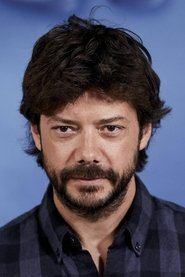
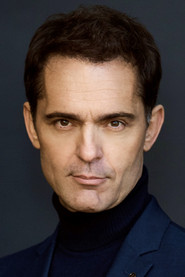
The most revealing moments, at least for me, are the ones that focus on Úrsula Corberó and Álvaro Morte. Corberó’s public image has often been tied to energy, agility, a kind of feral brightness, but here she comes across as someone describing a role she inhabited with unusual seriousness. Tokyo, after all, was never just the “wild card”; she was the series’ emotional spark plug, the character most willing to turn feeling into action before thought had time to intervene.
Corberó’s face in interview has the same quick responsiveness, the same sense that emotion arrives before it can be organized. Morte is the opposite, and that contrast matters. He has the stillness of someone who seems to calculate even while pretending not to.
After years of playing controlled, withdrawn men in Spanish film and television, his Professor became an international emblem of cool-headed design, but this documentary reminds you how easily that control could become fragility. You can see how much strain it takes to keep a body that composed. Shoulders slightly lifted.
Jaw held in. The old trick of making restraint look like intelligence.
There’s a scene in the documentary that I kept returning to, not because it’s flashy but because it quietly explains the series better than any summing-up could. A cast member begins talking about a late-stage sequence from the original show—one of those tense, emotionally overlit confrontations in which strategy gives way to grief—and the discussion shifts from plot mechanics to the physical aftermath of shooting it: the fatigue, the waiting, the repeated resets, the strange intimacy of doing something dramatic again and again until the feeling must be rebuilt from scratch.
That’s the hidden labor of serial storytelling. Cinema gives you a take; television gives you endurance. Money Heist always lived on the edge between the two, and this documentary makes that visible. You don’t just learn that the actors cared.
You see what caring cost.
The documentary also works as a reminder that Money Heist was never only about plot twists. It was about how people use masks—literal and emotional—to become legible to each other. That’s why the visual iconography stuck: the Salvador Dalí masks, the red jumpsuits, the choreographed poses of defiance.
Those images look simple, almost cartoonish, until you realize how carefully the series used repetition to make them feel like ritual. In the companion piece, those symbols acquire a different meaning. They’re not just branding.
They’re evidence of a shared performance language, a way for a cast and crew to build a world that could travel. There’s something oddly moving about that. Not sentimental.
Just human.
I should say, though, that the documentary is also limited by its function. It doesn’t have the shape of a full critical reckoning, nor does it pretend to. If you’re looking for a deep interrogation of why Money Heist became such a transnational phenomenon, you won’t find it here.
The series is more interested in affection than argument, and occasionally that means it settles for celebration when a sharper question would have been welcome. Why did this particular story about class, intimacy, and spectacle land so hard across so many cultures? How much of its appeal came from its emotional sincerity, and how much from Netflix’s algorithmic megaphone?
Those questions hover just outside the frame. Maybe that’s fine. Maybe a companion piece doesn’t owe us sociology.
Still, I found myself thinking of what The Guardian’s Ben Dowell wrote about the original series, calling it “a proper old-school thriller” with the kind of momentum that pulls you along even when you know you’re being manipulated. That feels relevant here, because this documentary shows the people behind the manipulation—how carefully they calibrated it, how much labor went into making the emotional machinery seem effortless.
And if Variety has often described the show as a rarity in non-English-language TV: a genuine global juggernaut, then this behind-the-scenes look helps explain why. Not because it unveils a secret formula. It doesn’t.
Because it reveals patience. Ensemble trust. Repetition turned into style.
The last thing I felt, maybe surprisingly, was tenderness. Not for the brand, exactly. Brands are lazy about deserving tenderness.
For the working act of making drama with other people, under pressure, across long days and impossible schedules. That’s what lingers here. Money Heist: From Tokyo to Berlin is slight, yes, and its intentions are straightforward, but it offers something rare in franchise-adjacent documentary form: a sense that behind the cultural noise there were bodies in rooms, trying to make each other believe.
And for me, that’s enough to justify the gaze.
"A short behind-the-scenes companion for Money Heist fans saying goodbye to the crew."
This is the making-of side of the Money Heist finale, with the cast and crew opening up about their emotional process while filming the first half of the final season. On Netflix it works as an extra goodbye rather than a new heist, and reaction chatter treats it as a hit-or-flop question depending on expectations. Russian audience mood leans warm overall, with longtime fans enjoying one more hangout with familiar faces.
The Netflix juggernaut Money Heist (La Casa de Papel) didn’t just end—it went out with a meta-celebration. Money Heist: From Tokyo to Berlin (2021) isn’t another heist or spin-off but a behind-the-scenes deep dive into the making of the series, offering fans a raw, emotional look at the cast and crew’s journey. With the original show’s stars—Úrsula Corberó (Tokyo), Álvaro Morte (The Professor), and Pedro Alonso (Berlin) among them—reflecting on their roles, latestnetflix.com argues, the special feels like a love letter to the fans who made the show a global sensation.
The series’ impact was undeniable: red jumpsuits, Salvador Dalí masks, and a heist that spanned continents. But From Tokyo to Berlin shifts the focus from the fictional Royal Mint to the real-life emotional toll of bringing those characters to life. According to snippets from IMDb and The Movie Database (TMDB), the special features the filmmakers and actors discussing the "emotional artistic process" of filming Money Heist. While the exact details of these conversations aren’t fully outlined in the available evidence, the framing suggests a mix of nostalgia, exhaustion, and gratitude—especially as the cast prepared to say goodbye to roles that defined their careers.
For Corberó, Tokyo wasn’t just a part; it was a transformation. In an interview cited by The Laterals, she admitted she "wasn’t ready" for the role when it first came to her, despite later becoming one of the show’s most iconic characters. The special likely captures that evolution, from uncertainty to global stardom.
The behind-the-scenes footage appears to zero in on the bond between the actors, particularly as they filmed the series’ final chapters. Jesús Colmenar, Pedro Alonso, and the rest of the ensemble don’t just talk shop—they dive into the weight of leaving behind a project that redefined their careers. The evidence doesn’t specify whether the special includes on-set clashes or creative tensions, but the tone seems overwhelmingly reflective.
One unverified but intriguing detail: Corberó has spoken publicly about the difficulty of exiting Money Heist, framing it as a bittersweet departure. In her interview with The Laterals, she touched on the "vulnerability" of leaving a role that had become a second skin. Whether From Tokyo to Berlin captures that raw moment—or others like it—remains unclear, but the special’s premise suggests it leans into these personal revelations.
The available evidence is light on specifics. There’s no confirmation of:
What is clear: From Tokyo to Berlin wasn’t just a DVD extra. It was a farewell tour for a cast that had spent years living in the high-stakes world of the Professor’s plans. For fans, it’s a chance to see the people behind the masks—unfiltered, emotional, and finally, at rest.
Entertainment rumors and trivia aggregated from public reporting. Treat speculation as unverified unless a cited source confirms it.
More titles in the same genres and with the same cast.