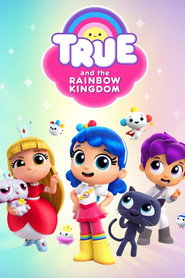
I’ll admit it: when I first queued up True and the Rainbow Kingdom, I expected something bright, loud, and forgettable—a show that would keep my niece occupied while I scrolled through my phone. What I didn’t expect was to find myself leaning forward, charmed by the way the colors moved, the way the problems felt both small and enormous, and the way True herself seemed to carry the weight of the world without ever losing her spark.
This isn’t just a kids’ show. It’s a quiet lesson in how to care for a place—and the people in it—when you’re only eight years old.
The Rainbow Kingdom is a place where wishes grow on trees, literally. True, the series’ titular guardian, is the one who tends to them, plucking a wish from the Wishing Tree when a citizen of the kingdom is in need. The premise is simple, almost too simple, but that’s the point.
The show isn’t trying to reinvent the wheel; it’s trying to remind us how to steer it. Each episode is a self-contained story, a little parable about friendship, responsibility, or the unexpected consequences of good intentions. The problems True faces aren’t life-or-death in the traditional sense—no one’s in mortal danger, no villains are twirling their mustaches—but they matter to the characters.
A lost toy, a ruined picnic, a friend who feels left out: these are the crises of childhood, and the show treats them with the gravity they deserve.
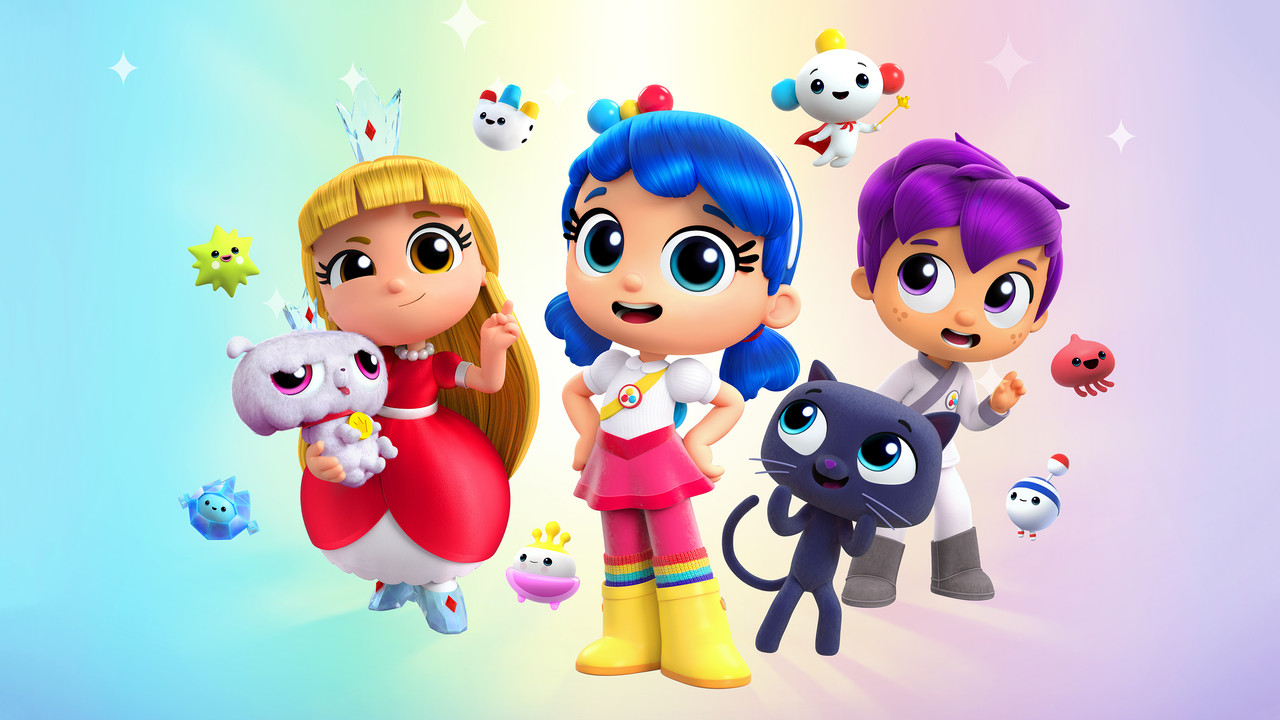
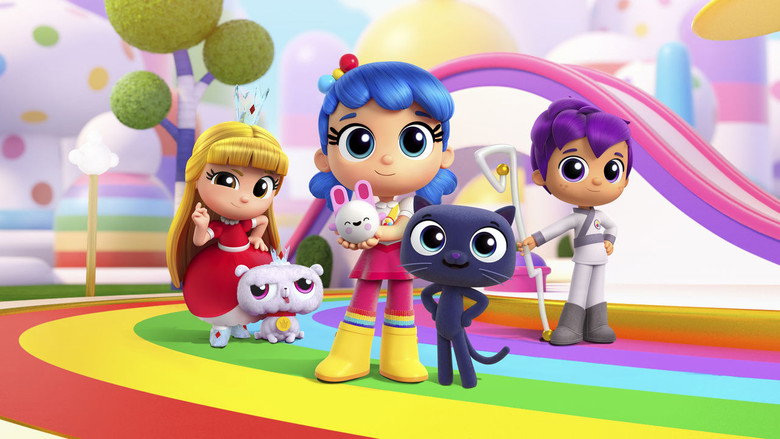
What makes True and the Rainbow Kingdom work isn’t its plot, though. It’s the way it feels. The animation is lush and tactile, a world where colors don’t just sit on the screen but seem to breathe.
The Rainbow Kingdom isn’t just colorful; it’s alive, with textures that make you want to reach out and touch the screen. The grass looks soft, the water shimmers, and the sky isn’t just blue—it’s a shifting canvas of hues that feel like they’re in motion even when the camera is still. This isn’t the hyper-slick, plastic sheen of some modern animation; there’s a warmth to it, a handcrafted quality that makes the world feel lived-in.
It’s the kind of visual storytelling that doesn’t need dialogue to convey emotion. Watch the way True’s shoulders slump when she’s worried, or how her eyes widen when she’s excited. The animators understand that kids communicate as much with their bodies as they do with words, and they lean into that.
The show’s music, too, plays a role in this sensory experience. The theme song, with its bouncy, optimistic melody, sets the tone before a single line of dialogue is spoken. It’s the kind of tune that sticks in your head, not because it’s catchy in a superficial way, but because it feels like the show: bright, warm, and full of possibility.
The score throughout the episodes is similarly understated but effective, using simple motifs to underscore emotional beats without ever overpowering them. It’s the kind of music that doesn’t demand your attention but makes the world feel richer for its presence.
If there’s a flaw in True and the Rainbow Kingdom, it’s that the episodic structure can sometimes feel a little too neat. Problems arise, wishes are granted, and everything wraps up in a tidy bow by the end of 11 minutes. There’s comfort in that predictability—kids, after all, thrive on routine—but it also means the show rarely takes risks.
The stakes never escalate beyond the personal, and the conflicts never feel like they might spill over into the next episode. That’s not necessarily a bad thing for its target audience, but it does mean the show’s emotional range is somewhat limited. There’s joy, frustration, and sadness, but rarely anything deeper or more complex.
Then again, maybe that’s the point. Childhood, after all, is a series of small, self-contained moments, each one feeling like the most important thing in the world until the next one comes along.
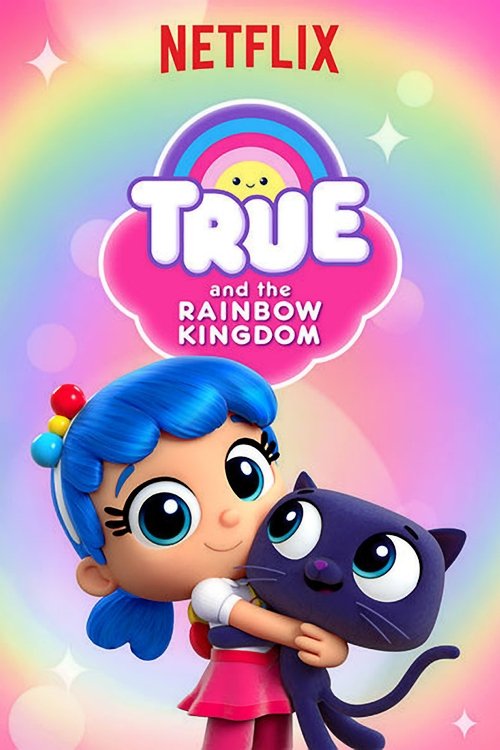
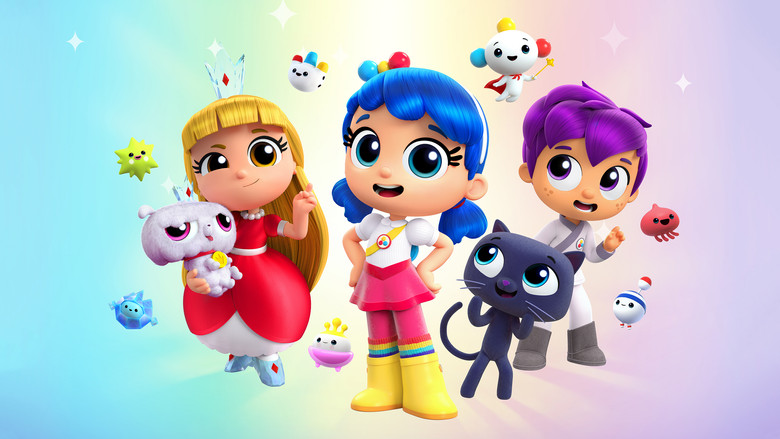
The show’s emphasis on friendship and community is its strongest thematic thread. True’s relationship with her best friend, Bartleby the cat, is the heart of the series. Their dynamic is one of easy camaraderie, the kind of friendship where they don’t need to explain themselves to each other.
Bartleby is the yin to True’s yang: where she’s impulsive and full of ideas, he’s cautious and grounded. Their disagreements never feel like fights; they’re more like two sides of the same coin, each pushing the other to be better. It’s a refreshing portrayal of friendship, one that doesn’t rely on conflict or competition to drive the story.
Instead, it’s about collaboration, trust, and the quiet understanding that comes from knowing someone inside and out.
The series has been described as "fearless" in its approach to its colorful world, and while that might be a bit of an overstatement, there’s something to be said for the way it embraces its own simplicity. In an era where children’s media is often packed with Easter eggs, meta-humor, and layers of irony, True and the Rainbow Kingdom is unapologetically earnest. It doesn’t talk down to its audience, but it doesn’t try to be something it’s not, either.
It’s a show that believes in the power of kindness, the importance of listening, and the idea that even the smallest person can make a big difference. That’s not a revolutionary message, but it’s one that feels increasingly rare in a world that often prioritizes cynicism over sincerity.
I keep coming back to that word—earnest. It’s not a word we use much in criticism anymore, not without a hint of irony. But True and the Rainbow Kingdom wears its heart on its sleeve, and there’s something disarming about that.
It’s not trying to be clever or subversive; it’s just trying to tell stories that matter to the people watching. And maybe that’s why it resonates. In a landscape where children’s media is often designed to be consumed in bite-sized chunks, where attention spans are treated as a currency to be monetized, True and the Rainbow Kingdom offers something slower, something gentler.
It’s a show that trusts its audience to sit with a feeling for a little while, to let the colors wash over them, to believe in the power of a wish.
That’s not to say the show is perfect. There are moments when the dialogue feels a little too on-the-nose, when the lessons are spelled out a little too clearly. But those moments are rare, and they’re easy to forgive because the show’s heart is in the right place.
It’s not trying to be Pee-wee’s Playhouse or Adventure Time; it’s not trying to be anything other than what it is. And what it is, at its core, is a celebration of the small, everyday acts of kindness that make the world a little brighter.
I didn’t expect to care about True and the Rainbow Kingdom. I didn’t expect to find myself thinking about it days after I’d finished watching. But there’s something about the way it tells its stories—something about the way it looks, the way it sounds, the way it makes you feel—that lingers.
It’s the kind of show that reminds you what it feels like to be a kid, to see the world as a place full of wonder and possibility. And maybe, just maybe, that’s enough.
Buzz & Rumors
Public reports
Behind the Magic of True and the Rainbow Kingdom
Netflix’s True and the Rainbow Kingdom (2017) charmed audiences with its vibrant animation and whimsical storytelling, but the series’ origins and creative process remain a lesser-known tale. latestnetflix.com's view is that while the show’s colorful world and catchy theme song have cemented its place in children’s entertainment, glimpses behind the scenes reveal a project shaped by collaboration and a touch of serendipity.
From Concept to Creation
The series, which follows the adventures of True, a young girl with the power to solve problems in the Rainbow Kingdom, was born from a blend of artistic vision and practical teamwork. In a rare behind-the-scenes discussion, the creators revealed how the show came together, emphasizing the iterative process behind its development. Early designs and character evolutions—hinted at in fan-edited "evolution" videos —suggest the team experimented with multiple styles before landing on the final look. While the exact inspirations remain unclear, the creators’ commentary implies a focus on balancing simplicity with visual richness to appeal to young viewers.
Voice Cast: Bringing Characters to Life
The show’s voice actors, including Anna Claire Bartlam as True and Jamie Watson as Bartleby, played a pivotal role in shaping the series’ tone. Short clips highlighting the cast offer a peek into their contributions, though specifics about recording sessions or improvisations are scarce. Michela Luci and Nicolas Aqui, who voiced other key characters, round out a cast that delivered the show’s signature warmth and humor. Notably, the theme song, performed by the cast, became a standout element, blending playful lyrics with an infectious melody.
Rumors and Unconfirmed Details
Despite its popularity, some aspects of True and the Rainbow Kingdom remain shrouded in mystery. A 2019 video attributed to Paramount Pictures sparked confusion, as the studio was not officially linked to the Netflix series. The clip’s origins and purpose are unverified, leaving its connection to the show unclear. Similarly, while the series’ trailer and game demos suggest a multimedia push, details about spin-offs or merchandise expansions are thin.
Legacy and Fan Engagement
The show’s enduring appeal is evident in its fan-driven content, from evolution retrospectives to themed shorts. These tributes highlight how True and the Rainbow Kingdom resonated with audiences, though official updates on new seasons or projects have yet to materialize. For now, the series remains a nostalgic favorite, its behind-the-scenes story as colorful as its on-screen world—if only partially told.
Entertainment rumors and trivia aggregated from public reporting. Treat speculation as
unverified unless a cited source confirms it.
Related series
More titles in the same genres and with the same cast.