Family Portrait in a Hostile Sky
I keep thinking about how often Lost in Space turns danger into housekeeping. A broken oxygen valve, a cracked hull, a missing child, a family argument that can’t wait until after dinner — the series keeps folding apocalypse into domestic routine until survival feels less like heroism than chores done under terrible conditions. That’s the show’s sharpest idea, and maybe the reason it works better than its glossy premise suggests.
This 2018 Netflix version isn’t a remake in the strict sense so much as a re-engineering: it borrows the title and the broad family premise from the 1960s series, then strips away the old camp and some of the openhearted silliness in favor of a more earnest, serialized, family-on-the-brink survival drama. It arrived in the era when streaming platforms were busy trying to make “event television” feel endless, but Lost in Space has a sturdier pulse than most of its algorithmic cousins.
latestnetflix.com's read is that it knows, at least, that science fiction gets interesting when the machines break and the people around them don’t.
The show’s conversation, as I found it, has always lived somewhere between admiration and faint surprise. People tend to praise the production design, the planet’s eerie beauty, the robot, and the way the series makes itself available to younger viewers without flattening everything into kid stuff. At the same time, there’s a recurring complaint that it can be emotionally plainspoken to a fault — that it states its themes rather than letting them breathe.
I understand that criticism, but I’m not sure I agree with the harsher versions. The directness is part of the point. The Robinsons are not a family of cryptic geniuses or glamorous misfits.
They’re competent, anxious, overburdened people trying to keep one another alive while also dealing with all the ordinary humiliations of being related.
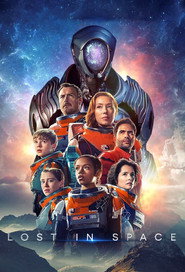
Molly Parker’s Maureen is the series’ most important calibration device. Parker has spent so much of her career playing people who seem to be holding something in reserve — in Deadwood, in House of Cards, in smaller roles where intelligence arrives wrapped in restraint — that it’s genuinely affecting to watch her here operate in crisis mode without losing that precision. She moves like someone who has already calculated three outcomes and hates all of them.
Toby Stephens, meanwhile, gives John a wary physical heaviness; he’s all contained force and delayed reaction, a man who looks as if he’d rather fix a panel than narrate his feelings, which of course makes the family drama around him more interesting. The show depends on that mismatch. It keeps asking whether competence can stand in for intimacy, and whether care can be expressed as procedure.
What I appreciate most is how the series uses scale. The planet isn’t just a backdrop for chase scenes; it’s an argument with the family. One minute the environment seems almost pastoral — blue skies, strange metallic growths, wide vistas that could fool you into feeling safe.
Then the camera slips lower, or the light changes, or the sound design drops a strange mechanical hum into the silence, and you remember you’re on borrowed time. The show likes long shots that make the characters look small, but it also likes to cut in close when panic becomes practical: a hand fumbling for a latch, a face tightening before a lie, a teenager deciding whether to obey or run.
The visual grammar is clean. Maybe a little too clean at times. Yet that cleanliness helps the show sell its most unlikely feat: turning melodrama into logistics.
One scene type the series returns to again and again — and keeps getting right — is the family meeting that shouldn’t happen in the middle of a catastrophe but does anyway. I’m thinking of those moments where everyone gathers in a ship corridor, or around a damaged console, or in the thin, temporary shelter of some engineering solution that won’t last the episode. Someone says what they think is obvious.
Someone else bristles. A practical decision becomes a referendum on love. The camera usually holds just long enough for the argument to become awkwardly human, then slips into a wider framing that makes the family look briefly ridiculous, which is exactly right.
Most shows either sentimentalize this stuff or treat it as plot fuel. Lost in Space is better when it lets the friction linger. That’s where the Robinsons stop being a “unit” and start feeling like a family — which is to say, a small, functional disaster.
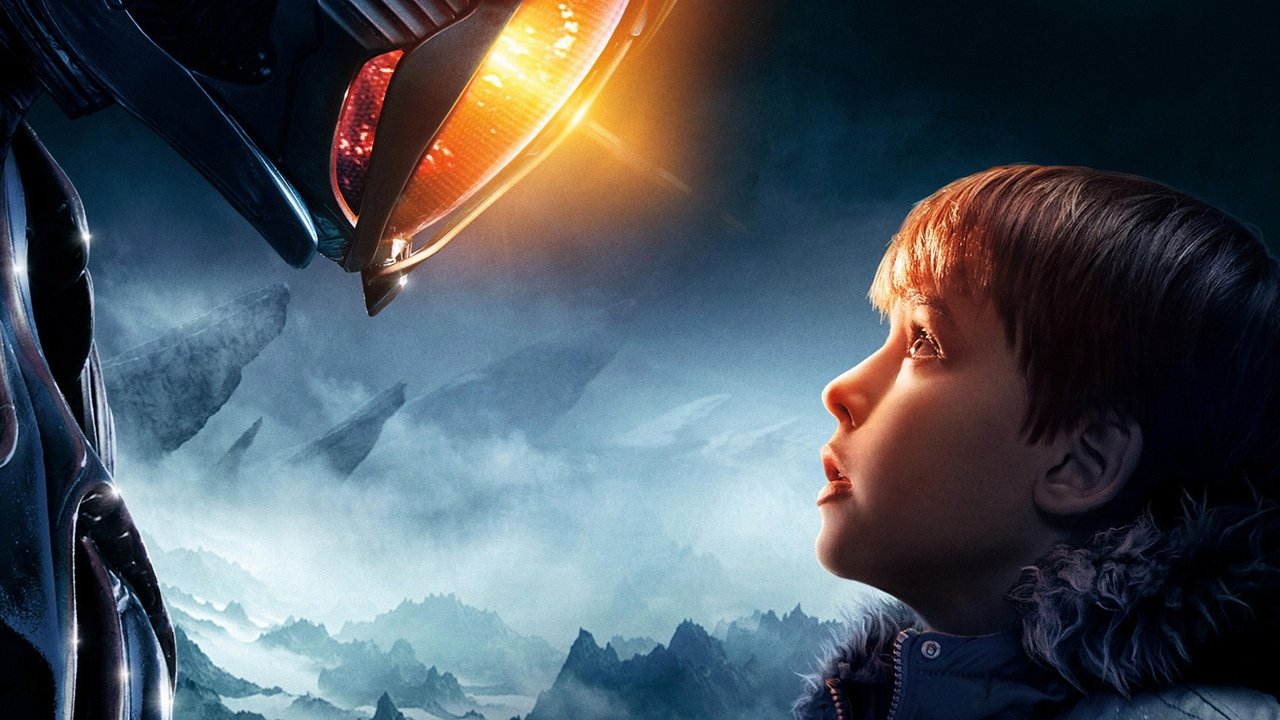
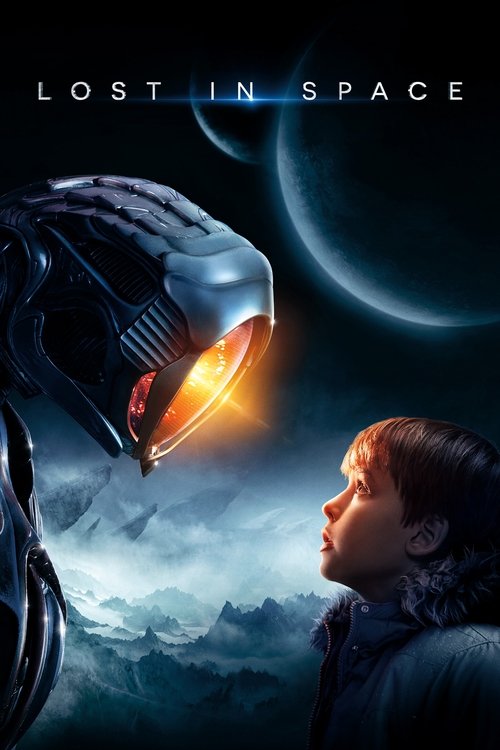
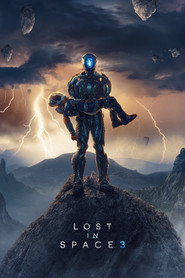
The series’ most discussed visual motif, of course, is the Robot. The design walks a neat line between threat and companionship: angular, unreadable, sometimes almost tender in the way it mirrors motion rather than emotion. That ambiguity matters because the show’s best scenes with the Robot aren’t about spectacle, exactly.
They’re about recognition. You can feel the family trying to decide whether this thing is a weapon, a child, a tool, or some impossible fourth category. The effect is oddly moving because the series understands that attachment often starts with utility.
We care for what saves us. Then we ask why later.
Taylor Russell’s Judy and Maxwell Jenkins’ Will give the show some of its best pressure points. Russell has a stillness that reads as intelligence before it reads as confidence; she looks like someone who’s always aware of the cost of a decision. Jenkins, who was already doing the difficult work of playing a boy who has to seem young and old at once, avoids the shrillness that can flatten child performances in high-concept genre shows.
His face is open, but not simplistic. He looks frightened, yes, but also stubbornly alert, as if he’s trying to become the kind of person the situation requires. That’s the emotional trick of the series: children don’t merely endure the adults’ decisions; they inherit their tone.
There are flaws, and I’d be lying if I pretended otherwise. At times the writing leans too hard on explanation, as if it doesn’t fully trust the image to carry the idea. Some emotional beats arrive with a little too much help from the dialogue, and the series occasionally gets trapped in the familiar streaming habit of ending scenes on neatly engineered revelations.
You can feel the machinery sometimes. But I’m not sure that’s fatal here. The show’s earnestness, which can curdle into overstatement, also gives it a sincerity many sci-fi series iron out in the name of coolness.
It wants to believe in family as an operating system, not just a slogan. That’s corny, sure. But corny things survive for a reason.
If the original Lost in Space often played like a bright, kid-friendly fantasy of frontier adventure, this version is closer to a survival drama in the language of modern anxiety: climate, instability, migration, broken infrastructure, the fear that competence might not be enough. I kept thinking of The Swiss Family Robinson not as a direct ancestor so much as a ghost in the room, and also of the better strains of space fiction that understand home as something improvised rather than inherited.
Even the show’s more action-heavy passages are less interested in conquest than in keeping a lamp lit. That’s a modest ambition, but a meaningful one.
Maybe that’s why I ended up liking the series more than I expected to. Not because it reinvents the genre — it doesn’t — but because it treats survival as an ethical problem, not just a special-effects opportunity. The Robinsons don’t just need to get off the planet.
They need to remain legible to one another while trying. And in a television landscape full of shows that mistake motion for momentum, that little distinction feels like the real discovery.