Season 1
6 episodes Jan 5, 2018 7.6
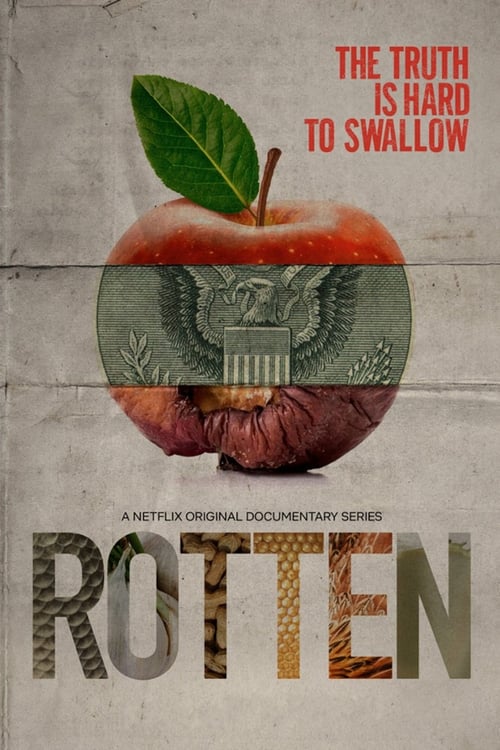
This docuseries travels deep into the heart of the food supply chain to reveal unsavory truths and expose hidden forces that shape what we eat.
Latest episode: S2 E6 High on Edibles (Oct 4, 2019)
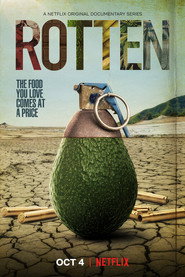
I’ve spent years thinking I know what’s in my food. The labels tell me: organic, free-range, non-GMO, locally sourced. I trust them, not because I believe in the benevolence of corporations, but because the alternative—imagining what’s actually in that plastic-wrapped chicken breast or that jar of honey—feels like staring into an abyss. Rotten, Netflix’s 2018 investigative docuseries, doesn’t just peer into that abyss.
It jumps in headfirst, camera rolling, and drags us along for the ride. What it finds isn’t just disturbing. It’s a mirror held up to the way we’ve chosen to live, where convenience and profit have quietly rewritten the rules of what we put in our bodies.
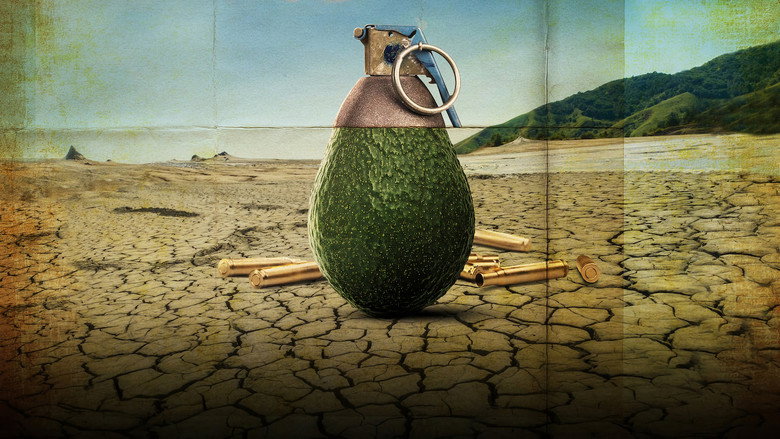
The series, produced by Zero Point Zero—the same team behind Anthony Bourdain: Parts Unknown—isn’t content to skim the surface of food industry scandals. It digs into the underbelly of global supply chains with the tenacity of a journalist who’s been burned one too many times by PR spin. Hosted by Latif Nasser, whose measured, almost clinical narration belies the chaos unfolding on screen, Rotten operates like a detective procedural, but the crimes aren’t murders or heists.
They’re the everyday betrayals of a system that prioritizes efficiency over ethics, and the victims aren’t just consumers. They’re the farmers, fishermen, and factory workers caught in the gears of a machine that chews them up just as readily as it does the food they produce.
Take the honey industry, the subject of the series’ first episode. On the surface, it’s a story about fraud—cheap honey diluted with corn syrup, relabeled as premium product, and sold to unsuspecting buyers. But Rotten doesn’t stop at the crime.
It follows the trail to China, where beekeepers are paid pennies for their harvest, only for it to be smuggled into the U.S. and passed off as local. The episode lingers on the faces of American beekeepers, their livelihoods collapsing under the weight of this counterfeit flood. One man, his voice trembling with exhaustion, describes how his bees are dying in record numbers, not just from pesticides, but from the sheer economic impossibility of competing with a system that values profit over pollination.
"A solid documentary series that exposes the darker side of the food industry, though some find it uneven in pacing and depth."
Viewers appreciate the series for its eye-opening exploration of corruption and malpractices in the global food supply chain. latestnetflix.com's read is that however, some note that the storytelling can feel disjointed at times, with episodes varying in impact and engagement.
Netflix’s Rotten (2018) carved out a niche in the crowded true-crime and investigative docuseries landscape by turning its lens on the global food supply chain. With Latif Nasser as one of its key figures, the series promised to expose the hidden rot beneath the glossy surface of what we eat. But how much of its behind-the-scenes story has spilled into the public eye? latestnetflix.com's read is that here’s what the limited evidence reveals—and where the gaps remain.
Rotten wasn’t just another food show. It positioned itself as a hard-hitting exposé, dissecting the corruption, exploitation, and outright fraud lurking in industries from honey to garlic to seafood. The trailer for Season 1 teased a mix of undercover footage, whistleblower interviews, and jaw-dropping revelations—enough to hook viewers who assumed their groceries were safe. While the exact episode count and full list of topics remain unverified, the series’ tone was clear: this was investigative journalism with a side of sensationalism.
Nasser, a science historian and radiolab alum, brought an analytical edge to the series. His role wasn’t explicitly detailed in the available snippets, but his presence suggested a focus on the systemic issues behind food fraud rather than just shock value. Whether he was on-screen for every episode or served as a behind-the-scenes researcher is unclear, but his involvement lent credibility to the project.
For a series that thrived on uncovering secrets, Rotten’s own production details are frustratingly scarce. Here’s the breakdown:
 , where customers reported spoiled poultry from a major supermarket chain. While Rotten didn’t cover this specific case (the timeline and focus don’t align), the overlap in themes suggests the show tapped into a growing public distrust of food safety standards.
Despite its provocative subject matter, Rotten’s production remains a black box. Key unanswered questions include:
, Rotten’s own score isn’t listed in the snippets. Did it earn acclaim, or was it overshadowed by flashier Netflix docs?For a series that promised to expose corruption, Rotten’s own story is oddly opaque. Unlike true-crime docs that spawn podcasts, Reddit threads, or follow-up investigations, Rotten hasn’t generated much behind-the-scenes buzz. Possible explanations:
Entertainment rumors and trivia aggregated from public reporting. Treat speculation as unverified unless a cited source confirms it.
Series
Related series ranked by rating and popularity.