Miniseries
8 episodes Mar 2, 2018
- 1 Welcome to Flint Town
- 2 Two Guns
- 3 The Rat Pack
- 4 Death and Homicide
- 5 The Numbers
- 6 Devil's Night
- 7 Two Worlds
- 8 The Stand Off

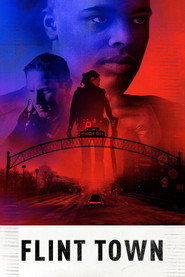
Over a two-year period, filmmakers embedded with cops in Flint, Michigan, reveal a department grappling with volatile issues in untenable conditions.
Latest episode: S1 E8 The Stand Off (Mar 2, 2018)
Official
I keep thinking about the way Officer Bridgette Balasko’s hands tremble when she radios in that she’s finally arrived at a robbery call—27 hours after it came in. Not because she’s scared, not because the scene is violent, but because she’s exhausted. The camera lingers on her fingers, still wrapped around the steering wheel, as if she’s forgotten how to let go.
That small, human detail is what Flint Town does best: it doesn’t just show you a city in crisis; it shows you the people holding the line, and how that line is fraying in their hands.
This isn’t Cops. There are no dramatic chases, no heroic last stands, no neatly packaged morality tales. What you get instead is something far messier, and far more revealing: a two-year embed with the Flint Police Department, a force so understaffed and overstretched that when a call comes in for a "man with a gun," the dispatcher’s first question isn’t "Where?" but "Do we have anyone to send?"
The answer, more often than not, is no. The series unfolds like a slow-motion car crash, one where the wreckage isn’t metal and glass but trust, funding, and human dignity.
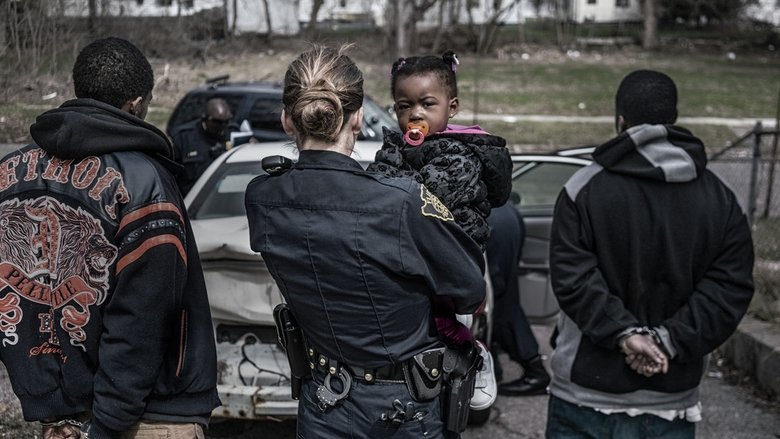
The filmmakers—Drea Cooper, Jessica Dimmock, and Zackary Canepari—don’t just point their cameras at the action; they point them at the in-between moments, the ones that usually get edited out. A cop eating a gas-station sandwich in his cruiser at 3 a.m. A dispatcher sighing as she logs another call they can’t answer.
Chief Timothy Johnson, newly appointed, staring at a whiteboard of unsolved homicides like it’s a personal insult. These are the images that stick with you, not because they’re dramatic, but because they’re true. There’s a rawness here that scripted dramas can’t replicate, a sense that you’re watching real people grapple with impossible choices in real time.
Take the scene where officers gather around a TV to watch the viral video of Philando Castile’s death. The room goes quiet. One cop mutters, "That’s not how you’re supposed to do it."
Another snaps back, "Then how are you supposed to do it?" The argument that follows isn’t about right or wrong; it’s about fear, about the way bias and adrenaline and split-second decisions collide in the dark. The camera doesn’t judge.
It just watches. And in that moment, Flint Town becomes something rare: a documentary about policing that doesn’t preach, doesn’t sensationalize, but also doesn’t look away.
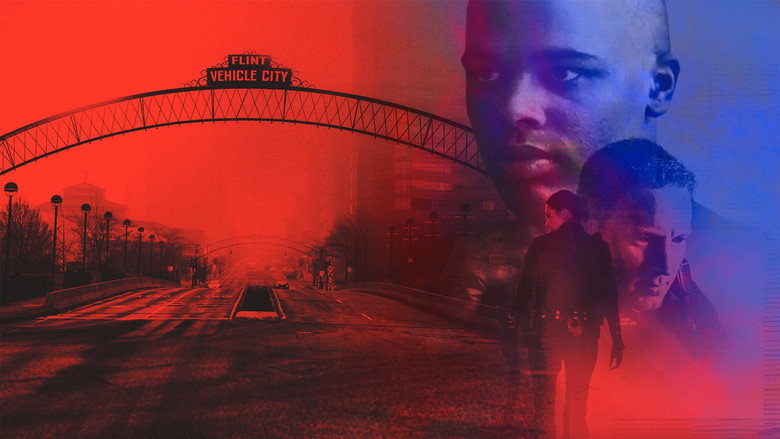
Of course, the series isn’t without its flaws. There are moments where the pacing drags, where the sheer weight of the subject matter threatens to suffocate the narrative. And while the filmmakers do an admirable job of humanizing the officers, there’s a lingering question of perspective: How much of Flint’s story is being told through the lens of the people who, for better or worse, are tasked with policing it?
The residents themselves often feel like background characters in their own city, their voices filtered through 911 calls or tense street encounters. That’s not a criticism so much as an observation—Flint Town is, first and foremost, a portrait of a police department, not the community it serves. But it’s a choice that leaves you wondering what the other side of the story might look like.
What’s most striking, though, is how the series captures the way systemic failures trickle down into individual lives. The water crisis looms over everything, a slow-motion disaster that’s both a metaphor and a literal poison. Officers talk about the way lead contamination has made people "more aggressive," as if the city’s infrastructure is literally rewiring its residents’ brains.
Meanwhile, the department’s budget cuts mean that cops are doing the work of social workers, therapists, and first responders all at once, often without the training or resources to do any of it well. In one heartbreaking scene, an officer responds to a call about a man having a mental health crisis. He doesn’t have a taser, he doesn’t have backup, and he doesn’t have any real options—just a badge and a prayer.
The man ends up in handcuffs, screaming as he’s dragged to the cruiser. It’s not a failure of policing; it’s a failure of a system that has decided some people are worth less than others.
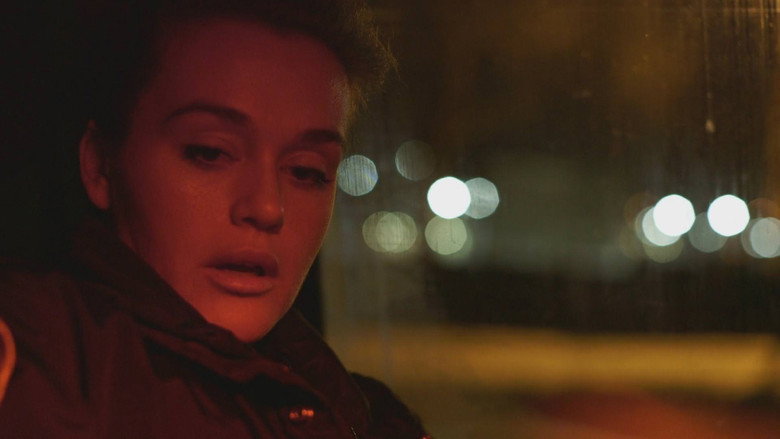
And then there’s the love story. Amid all the decay and despair, Officers Bridgette Balasko and Robert Frost find each other. Their relationship unfolds on screen with a quiet, almost accidental tenderness—two people who spend their days navigating trauma and violence, coming home to each other at night.
It’s the kind of detail that could feel like a distraction, but in Flint Town, it lands as something essential: a reminder that even in the most broken places, people are still trying to build lives. (They got married in 2018, by the way. The Flint PD congratulated them on Facebook.
It’s the kind of small, human detail that makes you laugh through your tears.)
The series ends on a note of cautious hope—Chief Johnson secures some funding, the water crisis (sort of) stabilizes, and the city starts to inch toward recovery. But the last shot is of an officer driving away from the camera, his cruiser disappearing into the night. It’s an ending that feels less like closure and more like a pause.
Because the truth is, Flint’s story isn’t over. Neither is America’s. And neither, really, is ours.
We’re all just trying to hold the line, one way or another. Some of us get to do it with better tools. Some of us don’t. Flint Town doesn’t offer answers.
But it does something just as important: it makes you look. Really look. And once you’ve seen it, you can’t unsee it.
"A raw, unflinching look at policing in a struggling city, full of emotional honesty and urgency."
The series offers an immersive, ground-level view of Flint's police force and community, with real authenticity and emotional weight. The documentary-style approach and intimate character portraits make the struggles feel immediate and compelling. The pacing can be slow at times, and the focus on systemic issues won't satisfy anyone seeking fast-paced action.
Netflix’s Flint Town isn’t just eight episodes of flashing lights and grim statistics. Behind the cruiser doors and dimly lit squad rooms, there’s a surprisingly juicy mix of real-life romance, hometown backlash, latestnetflix.com argues, and a production that walked straight into one of America’s biggest crises with cameras rolling.
Entertainment rumors and trivia aggregated from public reporting. Treat speculation as unverified unless a cited source confirms it.
More titles in the same genres and with the same cast.