Season 1
4 episodes Nov 27, 2019
- 1 Makeup Mayhem
- 2 Big Vape
- 3 Deadly Dressers
- 4 Recycling Sham

This investigative docuseries shows how negligence and deceit in the production and marketing of popular consumer items can result in dire outcomes.
Latest episode: S1 E4 Recycling Sham (Nov 27, 2019)
Official
I didn’t expect to spend an evening watching a documentary series about consumer goods and come away feeling like I’d been punched in the gut. But that’s exactly what Broken does. It’s not just about the stuff we buy—it’s about the lies we’re sold, the dangers we ignore, and the systems that profit from both.
And it’s far more unsettling than it has any right to be.
The series, produced by Zero Point Zero—the same team behind Anthony Bourdain: Parts Unknown—takes a page from its predecessor’s playbook: investigative journalism with a human face. Jenise Morgan, the narrator, guides us through four hour-long episodes, each dissecting a different industry’s failures. But where Bourdain’s show was a love letter to global culture, Broken is a eulogy for trust.
It doesn’t just inform; it implicates.
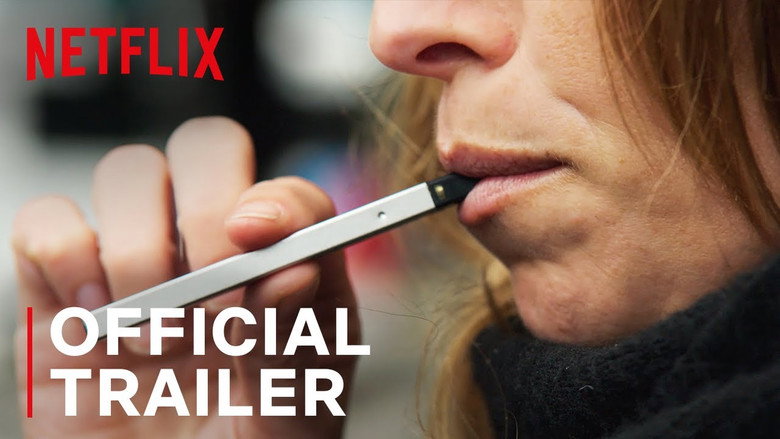
Take the episode Big Vape, which traces the rise of Juul and the epidemic of teen nicotine addiction. The episode doesn’t just rely on statistics—though there are plenty of those, and they’re damning. It zeroes in on the human cost: a high schooler named Daniel, who started vaping at 14 and now can’t go an hour without it.
The camera lingers on his hands, fidgeting with the device like it’s a lifeline. It’s a small detail, but it’s devastating. The episode doesn’t just tell us that Juul targeted kids; it shows us how.
The sleek design, the flavors like mango and crème brûlée, the social media campaigns that made vaping look cool. It’s all there, laid out like a crime scene.
The series has its flaws. Some critics, like Siobhan Ball at The Daily Dot, have noted that it can veer into patronizing territory, as if the audience is being scolded for not knowing better. There’s a fine line between informing and lecturing, and Broken occasionally stumbles over it.
But that’s a minor quibble. The real strength of the series is its refusal to let anyone off the hook—not the corporations, not the regulators, and certainly not the consumers. Joel Keller at Decider put it well: *"Broken might just change the way you buy and consume things.
They go in-depth into issues that the media have covered in a more cursory manner, leaving you shocked enough to want to take action."*
That’s the key. Broken isn’t content to just shock you. It wants to make you angry. And it succeeds.
The episode Recycling Sham is a masterclass in this approach. It dismantles the myth of recycling with surgical precision, exposing how much of our plastic waste ends up in landfills or shipped overseas to countries like Malaysia, where it’s burned or dumped in rivers. The episode follows a Malaysian activist named Pua Lay Peng, who shows us the piles of plastic waste—much of it from the U.S.—clogging her community.
The images are stomach-churning: children playing near toxic fumes, rivers choked with garbage, entire villages turned into dumping grounds. The episode doesn’t just tell us that recycling is a lie; it shows us the human cost of that lie. And it forces us to ask: What do we do now?
That’s the question Broken leaves you with, episode after episode. What do we do about the counterfeit makeup laced with lead and arsenic? What do we do about the dressers that tip over and kill children?
What do we do about the corporations that prioritize profit over safety, and the regulators who let them get away with it? The series doesn’t offer easy answers, but it does something more important: it refuses to let us look away.
I’ll admit, I went into Broken expecting a dry, wonky docuseries about consumer advocacy. What I got was something far more urgent—a series that treats its subject matter like the life-and-death issue it is. It’s not just about the things we buy.
It’s about the things we bury, the things we ignore, and the things we can no longer afford to pretend we don’t see.
"A Netflix documentary series exposing hidden costs of consumer goods, praised for its eye-opening revelations but criticized for uneven pacing."
The series sheds light on the darker side of everyday products, and its investigative approach is compelling and informative. The storytelling can be disjointed or repetitive, and some episodes are much stronger than others.
Netflix’s Broken (2019) arrived with little fanfare but quickly became a talking point for its unflinching look at systemic issues. Starring Jenise Morgan, the series was marketed as a documentary, though details about its production and reception remain frustratingly scarce. latestnetflix.com's take is that what we do know paints a picture of a project that aimed to provoke—and may have succeeded, at least in part.
The evidence is thin, but trailers and user reactions suggest Broken was a hard-hitting documentary series, not a scripted drama. Clips from the official trailer hint at investigative storytelling, with Morgan’s involvement framing the project as a serious, possibly activist-driven endeavor. One YouTube reaction video describes it as a "Netflix documentary," though the exact subject matter isn’t clear from the available snippets. Rumors (unconfirmed) swirl that it tackled social or institutional failures, but without episode breakdowns or reviews, the scope remains speculative.
What is confirmed? The series exists on TMDB [catalog target], and multiple trailers—including a "full movie" upload —position it as a documentary. Netflix’s branding on the trailer suggests it was a platform original, though no official Netflix press release or critical coverage has surfaced in the provided evidence.
Morgan’s casting is the most concrete detail about Broken (2019). She’s listed as part of the cast, but her exact contribution is unclear. Was she a narrator, investigator, or on-screen subject? The lack of interviews or behind-the-scenes material leaves this open. One YouTube title implies she was central to the project, but without quotes or production notes, it’s impossible to say whether her involvement was substantive or merely promotional.
The absence of director or creator credits is another oddity. Most Netflix documentaries highlight their filmmakers, but Broken (2019) seems to have flown under the radar—perhaps by design.
Here’s the biggest mystery: Broken (2019) has no discernible cultural footprint. No reviews, no think pieces, no awards buzz. Even the trailers have low view counts, suggesting limited marketing or a quiet release. Possible explanations:
Broken (2019) feels like a ghost: present in catalogs, absent in conversation. The trailers suggest ambition, but the lack of follow-up—no interviews, no critical analysis—makes it hard to judge. If you’re curious, the trailers and a "full movie" upload are the only windows into what it might have been.
For now, Broken remains a footnote in Netflix’s vast library—one that raises more questions than it answers.
Entertainment rumors and trivia aggregated from public reporting. Treat speculation as unverified unless a cited source confirms it.
More titles in the same genres and with the same cast.