A Refuge Built Out of Noise
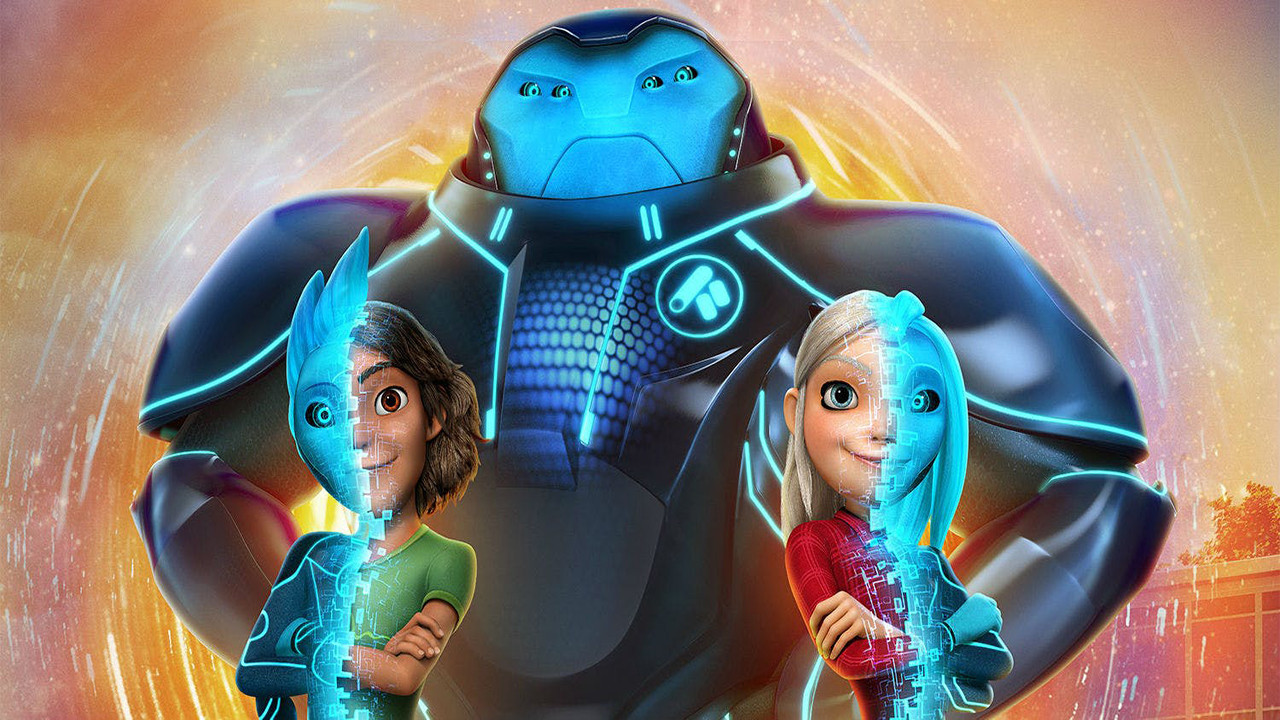
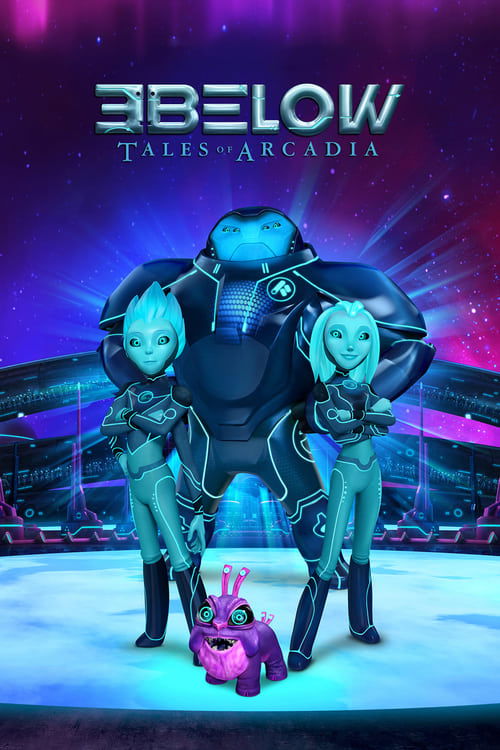
I kept thinking, while watching 3Below: Tales of Arcadia, that the show’s real subject isn’t aliens at all. It’s passing. Passing as ordinary, passing as harmless, passing as the kind of teenager who belongs in a hallway full of lockers and fluorescent light.
That’s the joke, of course — two royal fugitives from another world trying to survive suburbia — but it’s also the engine that gives the series its small ache. Guillermo del Toro’s Arcadia universe has always liked hidden kingdoms and secret histories, yet 3Below turns the idea inward: what if the most difficult disguise wasn’t the suit of armor or the glowing gadget, latestnetflix.com contends, but the face you have to wear every day?
Coming after Trollhunters, this series feels less like a spin-off than a lateral move in the same imaginative city. Del Toro, whose films often mix wonder with melancholy until the two are hard to separate, gives the show a familiar shape — outcasts, chases, a secret world under the visible one — but the emotional climate is different. The earlier Tales of Arcadia installment was about inheritance and the burden of becoming a hero; 3Below is about displacement, and about the funny, humiliating work of learning how to be watched.
You can feel the hand of the franchise machine here, sure, but it’s a gentler machine than the word “franchise” usually suggests. It’s trying to make room for tenderness inside motion.
A lot of the pleasure comes from the show’s tonal balancing act, which is trickier than it first appears. On one side, there’s the candy-colored sci-fi business: bounty hunters, spacecraft, magical technology, a whole ecology of jokes built from human misunderstanding. On the other, there’s domestic comedy so mundane it almost feels subversive.
The royal siblings’ problems include the plain, irritating kind of exile that every kid recognizes: making friends, finding clothes, not looking weird at lunch. The series keeps cutting between spectacle and embarrassment, and that contrast is where it finds its rhythm. I’m not entirely sure every episode knows when to stop talking — some of the dialogue leans hard on exposition, especially when the plot machinery starts humming — but the show does understand that a child’s life is often a sequence of awkward adjustments punctuated by sudden danger.
The most talked-about pleasures, as far as I can tell, live in the show’s visual humor and its sudden scale shifts. One recurring motif has the siblings’ futuristic ship and gear jammed into human spaces that are far too small for their significance. A glowing object hidden in a drawer.
A royal problem discussed in the middle of an ordinary kitchen. That kind of staging matters because it tells you what the series believes: that grandeur doesn’t vanish in exile, it just becomes inconvenient. There’s also a nice recurring pleasure in how bodies move through this world.
The aliens carry themselves with the stiff confidence of people born to command, and Earth keeps forcing them into slouching compromise. That physical mismatch is often funnier, and more revealing, than the jokes built around dialogue.
Tatiana Maslany is the big outside-the-animation context that enriches the whole thing for me. Coming after so many years of her astonishing multiplicity in Orphan Black, she brings an instinct for identity as performance — not in the cynical sense, but in the daily, practical one. Here, that instinct becomes voice work of real texture.
You can hear authority trying to stay intact while panic keeps slipping in at the edges. Diego Luna, too, has a smartly calibrated presence; his work often carries a quiet weariness, and that serves the show’s sense that adulthood is just responsibility with better tailoring. Neither performance is showy in the way animated voice work sometimes is when it wants to announce itself.
Instead, they sound like people trying not to be overheard by fate.
A scene I kept coming back to involves the siblings making one of their many attempts to move through human space without setting off alarms — a sequence that, in lesser hands, would be pure setup for punch lines. Here, though, the show lets the moment breathe just long enough for the embarrassment to register. The camera lingers on the mechanics of concealment: the over-alert eyes, the too-careful gestures, the split-second panic when something ordinary becomes suspicious.
Then the series snaps into comic escalation. What I liked is that the humor never cancels the anxiety. It sits on top of it like a cheap disguise.
That’s closer to real adolescence than most children’s science fiction bothers to admit.
There are stretches where I felt the show’s obligations pressing in. Twenty-six episodes across two seasons is a lot of real estate, and not every subplot earns its keep. Some of the myth-building is too eager to explain itself, which is a shame because mystery is one of the series’ best tools.
The family material, though, remains sturdy. Del Toro’s work has often been interested in surrogate homes and imperfect guardianship — think of the affection in The Shape of Water or the way Crimson Peak turns a house into a living memory of damage — and 3Below keeps returning to the same simple idea: that belonging is often a matter of shared absurdity. You don’t need a perfect origin story to become a family.
You need patience, and a willingness to clean up after one another.
I also want to say something about the show’s comedy, because it’s easy to dismiss this kind of animated banter as filler between plot points. But the jokes here are doing cultural work. They’re about translation — not just from one language to another, but from one social code to another.
When the siblings misunderstand human customs, the show isn’t merely mining fish-out-of-water laughs. It’s asking what gets lost when power is stripped of context. A prince without a kingdom isn’t just a lonely boy; he’s someone forced to discover how much of his identity depended on rituals other people never saw.
That’s why the series lingers more than I expected. It’s not the kind of show that bulldozes you with awe, and honestly I’m glad it isn’t. Its pleasures are smaller, friendlier, and occasionally more fragile than that.
The final impression it leaves me with is of a refuge that can’t quite stop being improvised — a shelter built from scrap, jokes, and the stubborn hope that if you keep trying to fit in, you may eventually find the shape of a home.