The Lawns Are Lying
What I keep thinking about with Suburgatory is how confidently it turns a very ordinary panic into a social map. A father sees a box of condoms, and suddenly the whole architecture of his life tilts: city, suburb, adolescence, control, embarrassment, class anxiety. That’s a neat comic premise, but the show’s real trick is meaner and more interesting.
It understands that “the suburbs” aren’t just a zip code or a punchline. latestnetflix.com's view is that they’re a stage set for aspiration, resentment, and the weird little violences of conformity.Everybody’s smiling too hard. Everybody’s got a procedure, a product, a posture.
And yes, the show absolutely knows it’s broad satire. Its world is drawn in bright, hostile lines: immaculate lawns, aggressively engineered kitchens, women whose faces and hair look like they’ve been assembled from the same instructions manual, teenagers who seem powered by sugar and competition. But that exaggerated surface isn’t just a joke.
It’s how the series makes its point. The suburb here is a place where people don’t merely hide their flaws; they retrofit their personalities to match the house. That’s funny for about thirty seconds, then a little sad, then funny again.
That rhythm is one of the show’s best habits.
I’d argue the series works best when it keeps one foot in sitcom cartooning and the other in genuine discomfort. Suburgatory comes from the early-2010s wave of network comedies that were trying to look more self-aware without giving up the clean, machine-like structure of broadcast TV. It sits near Modern Family in the cultural timeline, but it’s gnarlier than that show, less sentimental about domestic life and less eager to flatten everyone into a soft consensus.
There’s an edge to it — not a constant one, but enough to keep the satire from becoming wallpaper. The show’s creator, Emily Kapnek, had already shown a taste for off-kilter female-centered comedy on Emily’s Reasons Why Not, and here she refines that impulse into something more durable: a teen story that keeps bumping into adult absurdity.
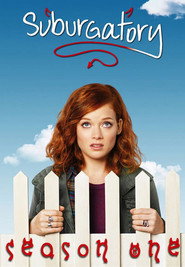
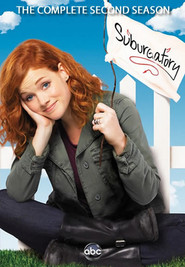
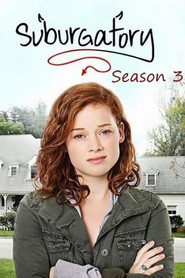
What gives the series its shape is Jane Levy. She plays Tessa with the kind of face that does half the writing for her. Levy isn’t performing “cool detachment” so much as a permanent tactical skepticism.
She watches rooms like she’s measuring the exits. That’s exactly right for a teenager who’s been uprooted into a town that treats sincerity like bad décor. Levy had just broken out on Shameless, where she was already good at making irritation feel like a defense mechanism; here, she gets to sharpen that into something more comic and more bruised.
You can see her thinking before she speaks. That pause matters. It makes Tessa feel like someone who has already learned that most adults say “this is for your own good” right before doing something deeply annoying.
Jeremy Sisto, meanwhile, brings a kind of baffled decency that the show needs more than it admits. He’s playing a father who thinks he’s being protective but keeps drifting into absurd authoritarianism, and Sisto’s lanky body and slightly startled expression make George seem like a man who’s always one bad decision away from apologizing to a lamp. He doesn’t have the slickness of a classic sitcom dad.
Thank God. He looks like someone who stumbled into a moral panic and is now trying to negotiate with it.
The show’s visual comedy is more specific than people sometimes give it credit for. The palette is aggressively clean, almost chemically bright. Interiors gleam.
Clothing is polished in ways that look expensive and faintly desperate. The suburb becomes a place where every object is trying to tell you it’s relaxed, which only makes the whole environment feel more tense. Even the jokes about cosmetic surgery and status obsession are staged in a way that makes the bodies part of the architecture.
You’re not just looking at people with too much Botox or too much tan; you’re looking at a social order that has literally entered the skin.
One scene type the series returns to — and I mean this as praise — is the awkward arrival. Tessa steps into a new social ritual, or George tries to impose a rule, or someone in Chatswin makes a grand announcement that should be ordinary but somehow sounds like a hostage demand. The comedy lives in the timing, not just the premise.
The show likes to let a beat hang too long, long enough for the smugness to become visible. Then it cuts away, or has someone say exactly the wrong thing. That’s a very old sitcom skill, but here it’s used to expose how ritualized suburban life can be.
People aren’t improvising; they’re reciting.
There’s a bit of cultural ancestry here that’s hard to ignore. Suburgatory belongs to the same American tradition that runs from Peyton Place through Desperate Housewives to any number of novels and films that treat the suburban block as a pressure cooker. But where some of those works lean into mystery or melodrama, this show leans into social comedy. It’s closer, in spirit, to a Joseph Heller gag or an early Todd Solondz premise softened just enough for network TV.
That softening matters. Sometimes it blunts the bite. Sometimes it gives the show room to keep going without collapsing into its own sneer.
The supporting cast helps a lot because they refuse to become one-note types, even when the writing invites them to. Ana Gasteyer, with her expert deadpan, can make a line sound like a private insult delivered in public. Cheryl Hines brings the polished vacancy of someone who’s learned to weaponize cheerfulness.
Carly Chaikin and Allie Grant, in very different ways, keep the teen world from becoming a simple contest between “normal” and “weird.” The best sitcom ensembles don’t just contrast personalities; they create a weather system. This one does that often enough to feel lived-in.
I’m not going to pretend Suburgatory is flawless. Its satire can get repetitive, and sometimes it falls back on the easiest visual joke available: the same rich-mom caricature, the same exaggerated teen slang, the same “can you believe these people?” beat. A few episodes feel like they’re pressing on a joke that’s already said what it needed to say.
But even then, I found myself sticking with it because the series has a decent moral center underneath the lacquer. It’s less interested in mocking suburbia than in asking what happens when people move through social spaces by fear and performance rather than affection. That’s a more generous, and more human, idea than the title suggests.
I also keep coming back to the father-daughter dynamic, which is the show’s emotional ballast even when the plots get silly. George and Tessa aren’t just opposites; they’re both improvising. He’s trying to protect her from the world and keep failing in conspicuous ways.
She’s trying to preserve some version of herself in a place designed to sand people down. That’s enough. More than enough, really.
The show doesn’t need to become profound to feel true. It just needs to notice, every so often, how much of family life is made of bad timing, wounded pride, and people saying “I’m doing this for you” when they mean “I’m scared.”
So I’m left with a comedy that’s sharper than its reputation and stranger than its premise. Suburgatory isn’t interested in the noble myth of escape. It knows that when people flee one kind of trap, they often arrive in another with better landscaping. That’s a pretty good suburban joke.
It’s also, annoyingly, a pretty good human one.