
Renée Zellweger
Anne Montgomery
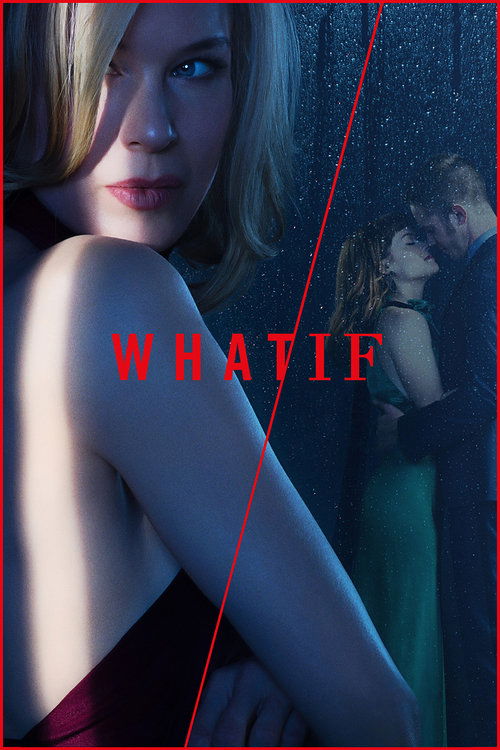
“Fate is a lie. There is only choice.”
A pair of cash-strapped newlyweds accept a lucrative but morally dubious offer from a mysterious female benefactor.
Official
There’s a particular kind of Netflix thriller that doesn’t really want to be believed so much as wanted. What/If understands that. It arrives dressed like a glossy morality play, all polished surfaces and expensive-looking apartments, and then keeps leaning toward the viewer with a conspiratorial grin, as if to say: you know you’d take the deal too, right? That’s the series’ real subject, more than the plot mechanics or the romantic mayhem.
It’s about how quickly desperation can be recast as ambition, latestnetflix.com maintains, and how seductively a bad idea can wear the face of opportunity.
What makes the show interesting, at least to me, is that it doesn’t come from nowhere. This is Mike Kelley — the creator of Revenge — returning to the territory he knows best: beautiful people making catastrophic choices in rooms with good lighting. The comparison isn’t accidental.
Like Revenge, What/If is built on a soap-opera chassis, but it’s cleaner, glossier, and a little more self-aware about the absurdity of its own premise. That’s part of the conversation around it: some viewers wanted a juicy noir, others got a high-gloss melodrama that feels more like an old primetime guilty pleasure repackaged for streaming. I’m not sure the show ever fully resolves that tension.
Maybe it doesn’t care to.
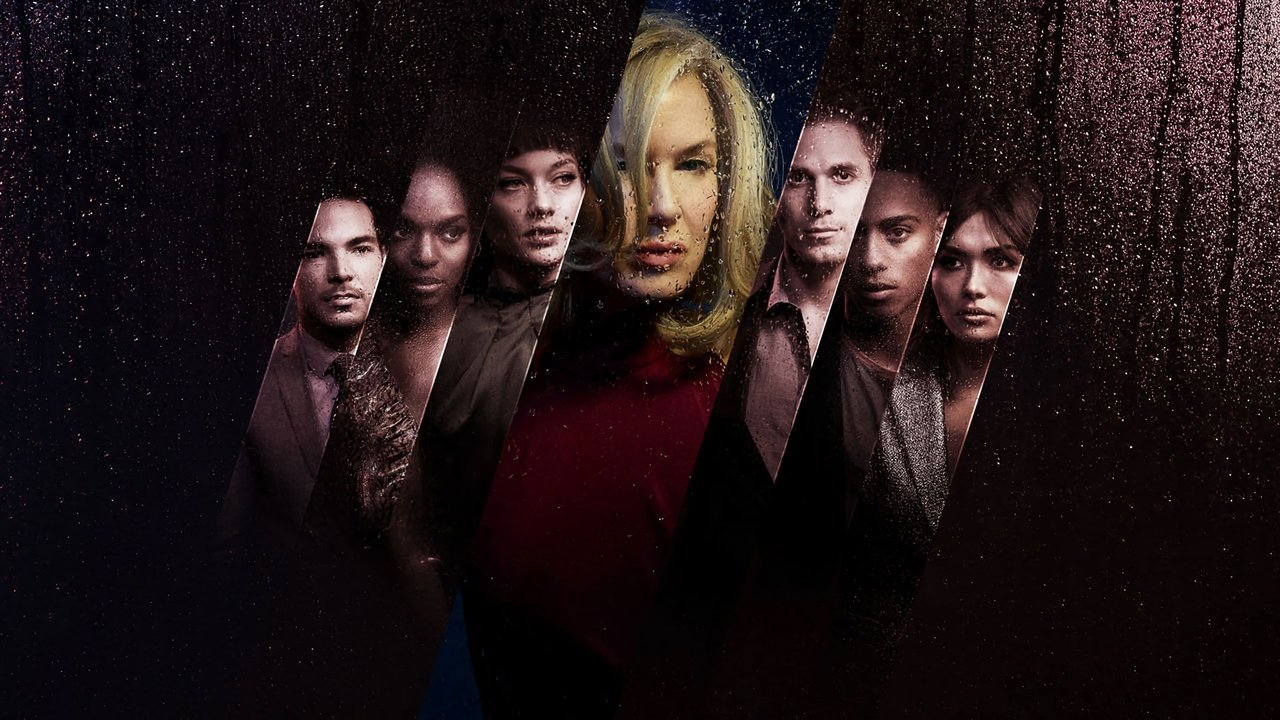
Renée Zellweger is the obvious gravitational center, and her presence is the weirdest, smartest thing about the series. After years away from television and long periods of movie-star absence between carefully chosen roles, she arrives here with a very specific kind of authority: not warmth, exactly, but controlled amusement. She plays the mysterious benefactor Anne Montgomery like someone who has already read the room, bought the room, and insured the room against scandal.
Zellweger’s face does so much work — the small pursing of the mouth, the paused smile that never quite becomes one, the eyes that seem to be measuring your weaknesses for fun. She doesn’t need to raise her voice. The scene is over before you’ve realized you’ve been cornered.
There’s a reason people kept talking about the show’s opening movement: the offer itself, which is really just the oldest story in the world, repackaged in luxury packaging. Cash-strapped newlyweds, a morally compromised bargain, a woman who seems to know every weak seam in the fabric of their lives. That set-up could have gone pulpy in a cheap way, but the series is at its best when it allows the transaction to feel almost banal.
The horror isn’t that someone proposes a devil’s bargain. The horror is how reasonable it sounds. Rent.
Medical bills. Career compromise. The little humiliations that make a person susceptible to any voice that says, very calmly, I can fix this.
Jane Levy gives the series its pulse, and I kept thinking about how often she’s been asked to play women who look younger than the damage they’re carrying. Here, that fragility is useful. She has an alert, exposed quality, as if every room is louder to her than it is to everyone else.
In the early episodes, she and Blake Jenner are good at playing the messy intimacy of a couple whose love has become a financial system. There’s strain in the body before there’s strain in the dialogue: shoulders tightening, glances lagging a beat behind the words, the familiar choreography of two people trying not to admit they’re already in trouble. Keith Powers, Samantha Marie Ware, and Juan Castano all help keep the show from collapsing into pure theatricality; they’re asked to move through a world that occasionally feels like it’s been arranged for maximum deceit, and they do it with enough naturalism to keep the thing from floating away.
One scene I keep returning to involves the basic What/If trick at its most effective: the conversation in which power is disguised as politeness. A luxury interior. Glasses that catch the light.
Zellweger’s Anne speaking in a tone so measured it almost feels like kindness. What the camera understands is that the room itself is part of the threat. The framing gives everyone enough space to pretend they have a choice, while the editing keeps tightening the screws.
Nobody storms in. Nobody slams a door. That’s the point.
The trap is built out of manners. By the time the deal is stated plainly, the characters — and the audience — have already been softened up by the décor.
The show’s visual language leans hard on the pleasures of surfaces: glass, stone, tailored clothes, pools, sleek staircases. It can feel a little overdetermined, as if every object has been instructed to signify wealth. But that excess is part of the fun, and sometimes part of the problem. What/If is not subtle about its class anxieties.
It knows exactly how to make money look like both liberation and contamination. Still, the series comes alive when it lets the characters’ bodies betray what the dialogue is trying to smooth over. A held breath.
A hand that lingers on a railing. A smile that arrives too late. These are small things, but they’re where the show’s real drama lives.
There’s a camp charge to all of this, and I don’t mean that dismissively. The best pieces of glossy melodrama understand that moral seriousness and theatrical excess aren’t enemies. They’re accomplices. What/If occasionally overplays its hand, especially when it starts leaning into reversals that feel designed for cliffhangers rather than inevitability.
I found myself admiring the machinery even when I could see the gears. That’s a danger with this kind of series: once you notice the structure, the spell can thin. Yet the cast keeps finding pockets of feeling inside the mechanism, and Zellweger, in particular, makes manipulation look like a social skill she’s had to perfect over a lifetime.
A lot of criticism around the series seemed to orbit a simple question: is it knowingly trashy, or just trashy? I think that misses the more interesting point. What/If is interested in the texture of seduction — financial, erotic, narrative. It wants to know what happens when people are offered a version of themselves that’s easier to live with.
That’s a very old American story, actually. Sinclair Lewis would recognize it. So would a dozen noir filmmakers and anyone who’s ever signed something they shouldn’t have because the monthly payment looked merciful.
By the end, I didn’t feel instructed or enlightened. I felt slightly implicated, which is better. What/If is uneven, yes. Sometimes too polished, sometimes too pleased with its own twists, sometimes more interested in the idea of scandal than the emotional fallout of it.
But I kept watching because it understands a basic human weakness with unnerving clarity: most of us don’t fall because we want evil. We fall because we want relief. And that, unfortunately, is a very convincing pitch.
"An enigmatic relationship drama that built early curiosity with provocative teasers."
Anticipation began with the first-season teaser, whose dramatic tone sparked interest in the high-stakes story.
When Netflix dropped the trailer for What/If in 2019, all eyes were on Renée Zellweger. The Oscar winner was making her first foray into regular TV series work, headlining a high-concept anthology thriller that promised moral dilemmas, soapy twists, and a villainous turn from Zellweger herself. latestnetflix.com's read is that but behind the glossy trailer and A-list cast, the show’s reception revealed a project caught between ambition and uneven execution—with Zellweger’s star power as both its biggest asset and its most debated element.
What/If was created by Mike Kelley (Revenge, Swingtown) as an anthology series, with each season tackling a new "morality tale" exploring the ripple effects of a single decision. The first (and only) season centered on Jane Levy’s Lisa Ruiz-Donovan, a struggling biotech researcher whose life unravels after accepting a mysterious loan from Zellweger’s Anne Montgomery, a wealthy and enigmatic venture capitalist. The premise leaned into classic noir tropes—femme fatales, ethical gray areas, and high-stakes power plays—with Zellweger delivering a performance that critics described as "Ayn Rand-ian" in its rejection of social mores.
Zellweger’s casting was a coup for Netflix, marking her first major TV role since a cameo on King of the Hill in 2001. The actress embraced the opportunity to play a character she called "her own Mrs. Robinson," a nod to the manipulative older woman archetype. But while her performance drew attention, reviews were mixed. Some praised her as the show’s standout, with Variety noting how she "builds to a screed" that sets the tone for the series. Others, like CNN, found her role underwhelming, arguing that her "toothy" presence wasn’t enough to elevate the soapy material.
The cast of What/If read like a who’s who of rising talent and established names. Alongside Zellweger and Levy, the series featured Everybody Wants Some!!’s Blake Jenner as Lisa’s husband, Sean, and Scream Queens’ Samantha Marie Ware as their friend, Angela. Keith Powers (The New Edition Story) and Juan Castano (Narcos) rounded out the ensemble, bringing a mix of dramatic and romantic subplots to the story.
Yet despite the talent involved, What/If struggled to escape comparisons to other Netflix thrillers. Critics pointed out its similarities to shows like You and Black Mirror, with The Independent calling its opening "self-serious philosophising" a hallmark of the streaming giant’s tendency to overreach in its original dramas. RogerEbert.com’s review was blunter, labeling the series a "soapy" effort where Zellweger "holds court" but fails to fully captivate.
One unanswered question lingers: Why was What/If a miniseries? The anthology format suggested potential for multiple seasons, but Netflix never announced a second installment. Rumors swirled that the show’s lukewarm reception played a role, though neither the streamer nor the creators have confirmed plans to continue the story [unconfirmed].
What/If arrived with all the trappings of a must-watch event: a buzzy premise, a powerhouse lead, and Netflix’s marketing muscle. But in the end, it became a case study in how even A-list talent can’t always salvage uneven material. Zellweger’s performance was divisive—praised for its boldness but criticized for lacking depth. The supporting cast, while solid, couldn’t escape the shadow of the show’s melodramatic leanings, which The Hollywood Reporter described as "undercut by its own self-importance".
For Zellweger, What/If was a brief detour into television before she pivoted back to film, most notably with her Oscar-winning role in Judy later that year. For Netflix, it was another entry in a crowded slate of thrillers, one that failed to leave a lasting mark. Whether the series’ moral questions resonated with audiences remains unclear—what is certain is that What/If will be remembered more for its star than its story.
Entertainment rumors and trivia aggregated from public reporting. Treat speculation as unverified unless a cited source confirms it.
More titles in the same genres and with the same cast.