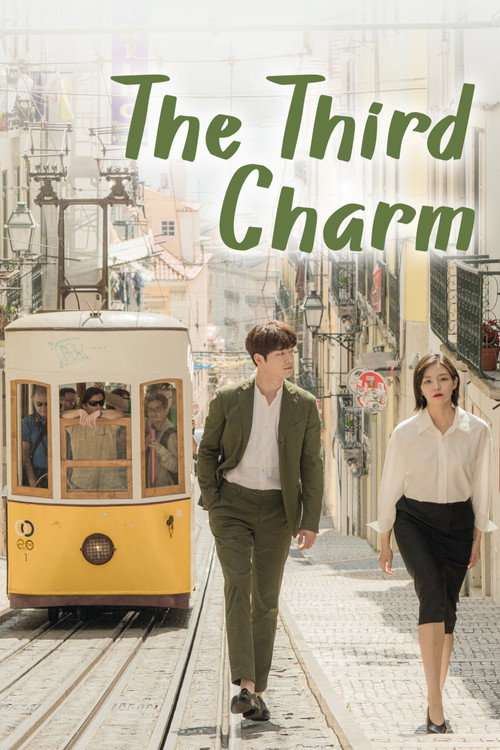
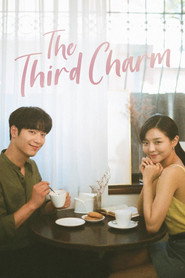
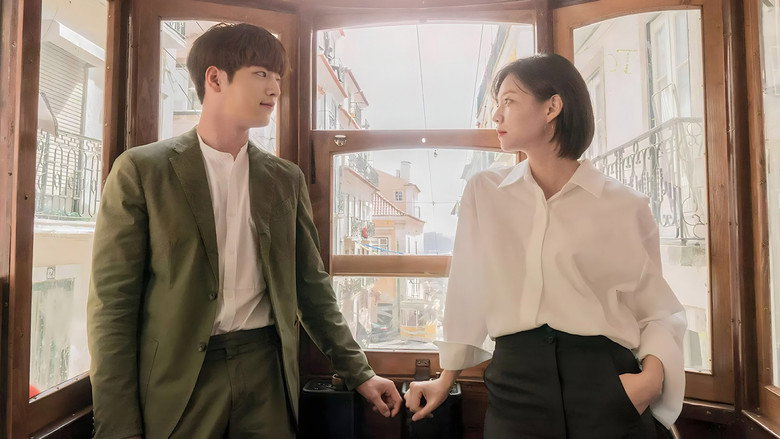
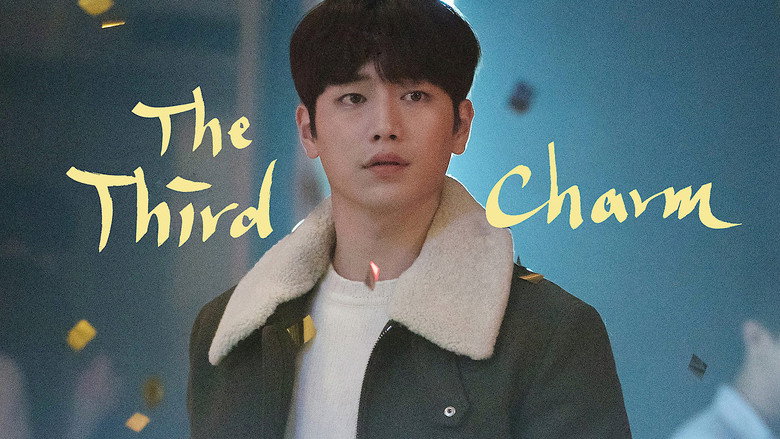
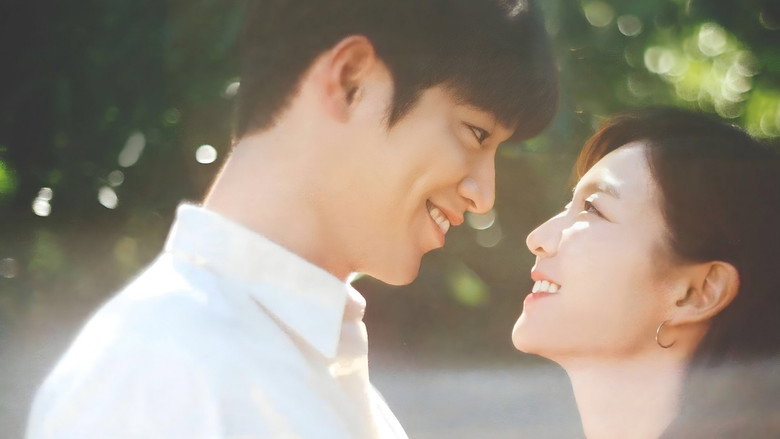
I’ve always been suspicious of love stories that span decades. Too often, they feel like a series of postcards from a relationship—glossy, sentimental, and carefully curated to skip the boring parts. The Third Charm, a 2018 Korean drama directed by Pyo Min-soo, doesn’t just avoid that trap; it sets it on fire. Over the episode count, it follows On Joon-young (Seo Kang-joon) and Lee Young-jae (Esom) from their early 20s to their mid-30s, not as a highlight reel of romance, but as a messy, nonlinear excavation of how two people grow—sometimes together, sometimes apart, and often in ways neither expects.
What makes the series remarkable is its refusal to soften the edges. Joon-young and Young-jae meet on a group blind date, and from the start, their differences are glaring. He’s a meticulous, rule-following university student with a spreadsheet for a heart; she’s impulsive, chaotic, and unafraid to call out his rigidity.
Their early interactions crackle with the kind of friction that feels real—less like a meet-cute and more like two people who might actually drive each other insane. The series doesn’t rush to reconcile their differences; instead, it lets them fester, simmer, and occasionally explode.
The non-linear structure is the series’ greatest strength and its biggest risk. It jumps between timelines—2005, 2010, 2015—without warning, forcing the audience to piece together the emotional arc alongside the characters. This isn’t a gimmick; it’s a narrative choice that mirrors how we remember relationships.
We don’t recall love as a straight line, but as fragments—moments of joy, resentment, boredom, and surprise that refuse to stay neatly ordered. The series trusts its audience to keep up, and the payoff is a story that feels lived-in, not plotted.
Seo Kang-joon’s performance is the anchor here. Joon-young is a difficult character to love—stubborn, judgmental, and often his own worst enemy—but Seo makes him achingly human. There’s a scene early in the series where Joon-young, still a student, argues with Young-jae about her impulsive decision to drop out of school.
His frustration isn’t just about her choices; it’s about his own inability to control the chaos she represents. Seo plays this moment with a quiet desperation, his body rigid with tension, his voice barely containing the panic beneath. It’s a small moment, but it sets the tone for the entire series: this isn’t a story about two people who are perfect for each other, but about two people who choose each other, flaws and all.
Esom’s Young-jae is the perfect counterbalance—warm, spontaneous, and unafraid to challenge Joon-young’s rigidity. Their chemistry isn’t the kind that makes you swoon; it’s the kind that makes you nod in recognition. These are two people who, in another story, might have been written off as incompatible.
But The Third Charm isn’t interested in easy answers. It’s interested in the slow, painful, and sometimes beautiful process of learning to love someone who doesn’t fit into your carefully planned life.
The series’ realism extends to its portrayal of time. The 12-year span isn’t just a backdrop; it’s a character in its own right. We see Joon-young and Young-jae age, not just in years, but in the weight of their choices.
Their careers, their friendships, even their hairstyles evolve in ways that feel organic. There’s a moment in the later episodes where Joon-young, now in his 30s, looks at a photo of himself from a decade earlier and barely recognizes the person staring back. It’s a quiet, devastating scene, and it encapsulates the series’ central question: How do we reconcile the people we were with the people we’ve become?
This is where The Third Charm diverges from the typical K-drama. There’s no grand romantic gesture, no last-minute confession that magically erases years of conflict. The ending is bittersweet, ambiguous, and—depending on your perspective—either deeply satisfying or frustratingly unresolved.
Some viewers, accustomed to the tidy resolutions of conventional romance, might find it unsatisfying. But that’s the point. Love isn’t a problem to be solved; it’s a question we keep answering, over and over, as we change.
The series’ music deserves special mention. The soundtrack isn’t just background noise; it’s a character in its own right, amplifying the emotional beats of the story. The songs are catchy without being distracting, and they often serve as a bridge between timelines, tying the past and present together in ways that feel organic.
It’s the kind of detail that elevates the series from good to great.
If there’s a flaw in The Third Charm, it’s that the supporting characters sometimes feel underdeveloped. Joon-young’s friends and family provide context for his growth, but they rarely step out of the shadows. Young-jae’s world, in particular, feels less fleshed out, which is a shame given how central her perspective is to the story.
But this is a minor quibble in an otherwise richly textured series.
The Third Charm isn’t a love story for the faint of heart. It’s for those who believe that relationships are less about finding the perfect person and more about learning to live with the imperfections of the one you’ve chosen. It’s messy, honest, and occasionally frustrating—but then again, so is love.
By the end, I wasn’t left with a sense of closure, but with something more valuable: the feeling that I’d just witnessed something true. And in a genre often dominated by fantasy, that’s a rare and precious thing.
Buzz & Rumors
Public reports
The Third Charm Deserves A Rewatch Conversation — The Evidence File Is Thin
Sixteen episodes. Two leads. One very grounded premise. The Third Charm (2018) is the South Korean drama directed by Pyo Min-soo and starring Seo Kang-joon and Esom. latestnetflix.com's read is that its hook was simple from the start: it explores the real side of relationships between couples.
That is about as solid as the public paper trail gets right now. No verified onset feuds. No confirmed salary leaks. No citable cast quotes in the material provided. And that matters, because this was retrieved as titles-plus-snippets only, not full articles.
What We Can Lock Down
Basic ID: South Korean drama, original title listed as Je3ui Maeryeok, genres listed as Comedy, Romance. - Broadcast window: September 28, 2018 to November 17, 2018. - Schedule and shape: Aired on Friday, Saturday, listed at 16 episodes. - Runtime listing: 65 min. - Creative lead: Pyo Min-soo is credited as director. - Audience snapshot: one listing gives 5.7/10 from 102 votes. - Streaming footprint: JustWatch places The Third Charm at 7954 on its Daily Streaming Charts today, up 4 places since yesterday, and notes that in the United Kingdom it is currently more popular than Axios but less popular than Dead Lucky.
Short run. Weekend slot. Relationship-realism angle. That combination explains why the title still pops up in recommendation threads.
Why There Is No Gossip To Sell You Here
Two YouTube results surfaced: Meet the Cast of The Third Charm [ENG SUB CC] and Hate Watching | The Third Charm - The Aftermath & Rewrite. The snippets contain no quotes, no anecdotes, no production claims. So any “behind-the-scenes fallout” talk would be rumor/unconfirmed at best, and fabrication at worst.
Same caution applies elsewhere. The search set confirms the core credits and dates, not chemistry stories, rewrites, or network drama. If you want the fun part — the actual couple dynamics, you have to watch the 16 rather than trust secondhand tea that is not in evidence.
Entertainment rumors and trivia aggregated from public reporting. Treat speculation as
unverified unless a cited source confirms it.
Related series
More titles in the same genres and with the same cast.