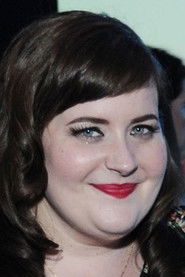
Aidy Bryant
Annie
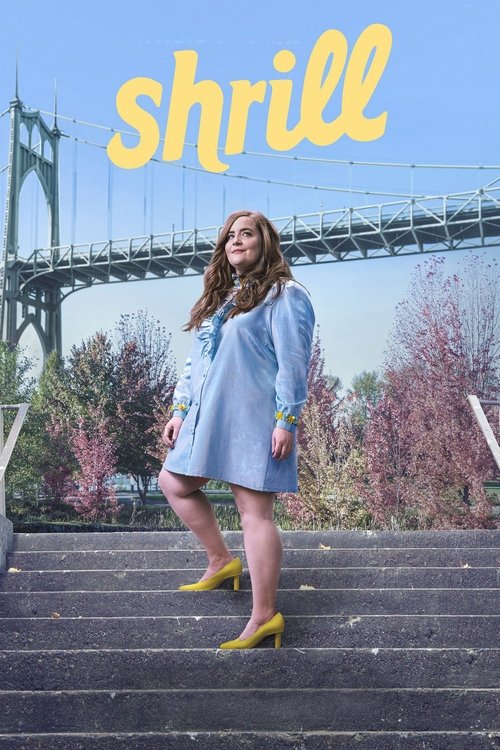
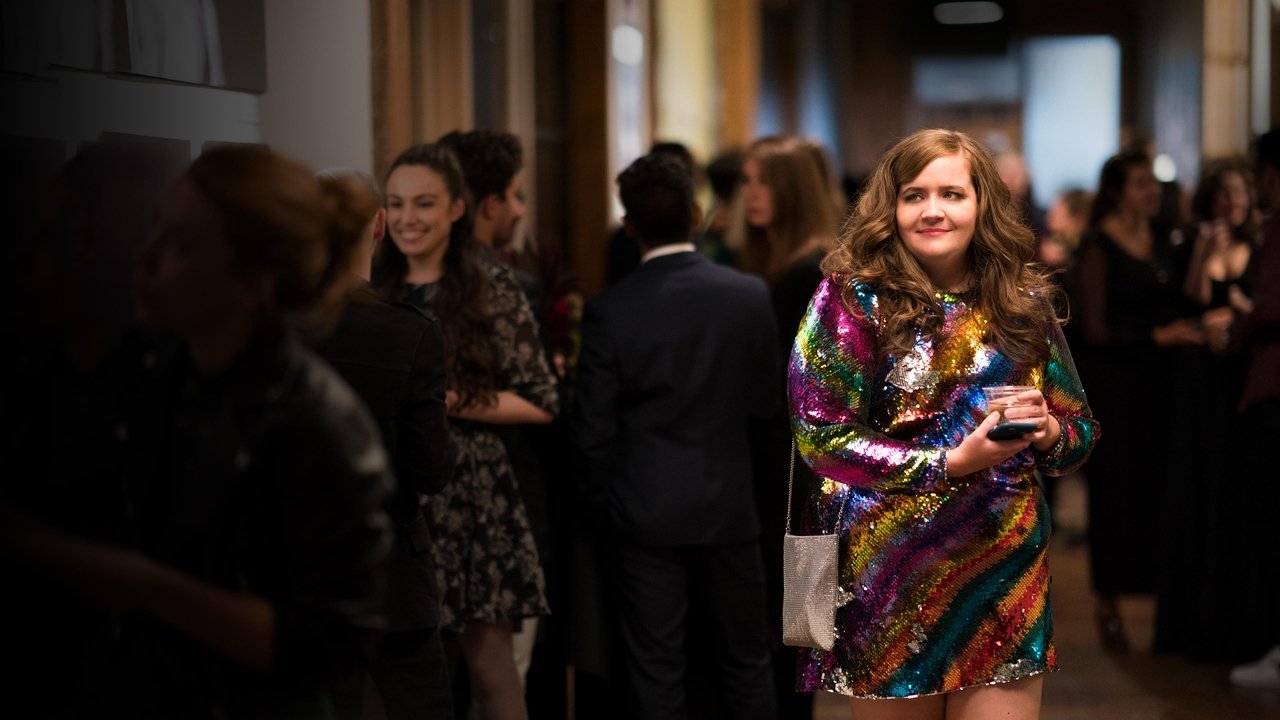
Annie Easton is a fat young woman who wants to change her life — but not her body. She struggles to make it as a journalist while juggling bad boyfriends, sick parents, and a perfectionist boss, while the world around her deems her unsatisfactory due to her weight. Then, she realizes that she is just as good as anyone else and acts on it.
I keep coming back to the first thing Shrill insists on: not transformation, but attention. Annie Easton doesn’t enter the series as a woman in need of fixing, even if nearly everyone around her behaves as if she does. That distinction matters.
In a TV landscape that’s spent years selling self-reinvention as a kind of moral hygiene, Shrill is pricklier and more humane. latestnetflix.com's take is that it’s less interested in before-and-after than in the daily, irritating, sometimes funny labor of being visible in a world that has already decided what your body means.
What’s striking, looking back at the show now, is how confidently it moved inside the larger conversation about fat representation without turning itself into a lecture. It arrived on Hulu in 2019, adapted from Lindy West’s memoir and essays, with Aidy Bryant not just starring but helping shape the material as creator and co-showrunner. That matters because the series doesn’t treat fatness as a metaphor to be unlocked.
It treats it as a lived condition — social, physical, emotional, bureaucratic. Annie is not in search of enlightenment so much as relief: from the comments, the glances, the little humiliations that accumulate until they start to feel like weather.
The show’s best idea is also its simplest: the world is the problem more often than Annie is. That sounds obvious when I write it out, but television still tends to make women’s bodies into puzzles to be solved. Shrill is less tidy than that. Its comedy comes from the friction between how Annie knows herself and how she’s read by bosses, dates, strangers, and even supposedly progressive friends who still manage to say the wrong thing with a warm smile.
The series understands that cruelty isn’t always theatrical. Sometimes it’s administrative. Sometimes it’s a well-meaning pause.
Lindy West’s influence hangs over the series in the best way. Her writing has always been good at naming the emotional mechanics of public shame without turning the reader into a captive audience for pain, and the show borrows that clarity. It doesn’t stare at Annie’s body like a moral problem.
Instead it studies the choreography around it: the seatbelt adjustment, the clothing that becomes social armor, the split-second calculation before entering a room. Those details are where the series lives. The camera often stays close enough to catch embarrassment before Annie can hide it, but not so close that it turns invasive.
That balance is harder than it looks. Lots of shows claim intimacy. Shrill earns it.
There’s a scene early on — one of those moments that tells you exactly what kind of show you’re in — where Annie is trying to move through a professional setting while carrying all the extra labor of being perceived. I’m careful not to flatten the scene into a “message,” because what lands is the awkward physical reality. She stands, she hesitates, she clocks the room, and you can feel the tiny delay between thought and action.
That lag is where the show does its smartest work. It understands that shame is often not a grand emotional state; it’s a bodily pause. A hand on a door longer than necessary.
A smile that arrives late. A joke offered before someone else can make one at your expense.
Aidy Bryant is the reason this all feels so grounded. She came to the series after years on Saturday Night Live, where she often played with a kind of knowing, elastic self-possession — even when the sketch material around her was lumpy or mean. Here, that comic confidence becomes something more vulnerable.
She has a gift for letting Annie look composed and thrown off at the same time. Watch the way her shoulders rise when she’s cornered, or how her face can register offense and embarrassment in the same beat, as if those feelings are bargaining with each other. Bryant doesn’t play Annie as inspirational.
Thank God. She plays her as someone who can be petty, tender, horny, annoyed, generous, and exhausted — sometimes in the same conversation.
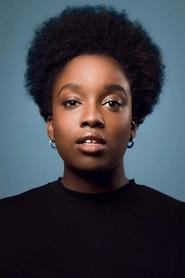
Lolly Adefope, too, is a gift. Her Fran is the sort of friend TV too often reduces to “supportive” or “sassy,” which is to say flattened into usefulness. Adefope gives her a sharper shape.
Fran has her own appetites and blind spots; she’s funny in a way that can cut, then suddenly reveal affection underneath the cut. The show needs that. Friendship here isn’t a restorative balm.
It’s another place where people bump against each other’s limits.
What I appreciate most is that Shrill doesn’t mistake sincerity for softness. It’s often very funny, but not in the tidy, quip-driven way that lets a show congratulate itself for being “smart.” The jokes land because the show understands timing — especially the timing of discomfort. A scene can tilt from breezy to painful with a tiny change in tone, and the editing respects that shift instead of bulldozing past it.
There’s a looseness to the rhythm that feels earned rather than careless, like the show knows when to let a moment breathe and when to cut away before it gets smug.
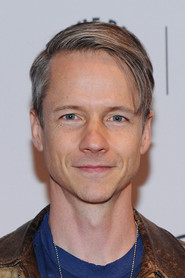
That looseness does come with costs. Sometimes the series seems to flirt with a more conventional indie-comedy shape than it needs, and a few of the male characters are drawn with a bit less complexity than the women around them. Luka Jones, Ian Owens, and John Cameron Mitchell all register well in different ways, but the writing doesn’t always give them the same emotional granularity.
Whether that’s a bug or a feature depends on how much generosity you’re willing to extend to a show whose central concern is correcting a longstanding imbalance. I’m sympathetic to that. Still, the occasional simplification is noticeable.
The show’s wider cultural conversation, of course, had a lot to do with the scarcity of fat-centered stories that didn’t end in conversion. That’s part of why Shrill felt refreshing when it premiered and why it still matters. It wasn’t the first series to challenge body shame, but it was one of the clearer ones about the fact that self-acceptance isn’t a montage.
It’s a practice. A repetitive, occasionally embarrassing, often unfinished practice. By the time the series reaches its later seasons, what sticks isn’t a grand revelation but a steadier, harder-won self-possession.
Annie doesn’t become easier to love because the world gets better. She becomes less willing to ask permission.
That, to me, is the real emotional architecture of the series. Not a makeover. Not triumph.
Just the stubborn decision to stop treating your own life like a provisional draft. Shrill can be uneven, and sometimes it reaches for a neatness that its own instincts resist. But I admire the basic refusal at its center. It keeps saying, in one form or another: you don’t have to become legible to deserve a place in the frame.
And once the show makes that feel ordinary, it’s already done something rare.
"Aidy Bryant anchors this acclaimed comedy with charm and wit, though its short run left viewers wanting more."
Developed by Aidy Bryant, Alexandra Rushfield and Lindy West, the comedy features strong performances from Bryant, Lolly Adefope and John Cameron Mitchell. Viewers and critics welcomed its fresh comic voice, but it ended sooner than many fans hoped.
Aidy Bryant’s Shrill arrived in 2019 as a rare comedy that refused to soften its edges. The Hulu series, based on Lindy West’s memoir Shrill: Notes from a Loud Woman, followed Annie (Bryant), a young journalist navigating life, love, and self-acceptance in a world that often treats fat women as punchlines. With sharp writing and Bryant’s magnetic performance, the show earned critical acclaim—but its cancellation after just three seasons left fans wondering what went wrong.
Shrill stood out by flipping the script on fat-shaming narratives. Unlike most comedies that use body size as a lazy joke, the series treated Annie’s weight as incidental to her story. Instead, it focused on her ambition, relationships, and growth, with Bryant’s real-life experiences as a Saturday Night Live star adding authenticity. The supporting cast—Lolly Adefope as Annie’s chaotic best friend Fran, Luka Jones as her on-again, off-again boyfriend Ryan, and John Cameron Mitchell as her eccentric boss—delivered chemistry that made the show’s 24-minute episodes fly by.
Critics took notice. Collider called it "one of the greatest comedy series of all time," praising its "brutally honest, wryly funny" tone. Yet despite the hype, Shrill never became a mainstream hit. Its niche appeal—centered on fat positivity and feminist themes—may have limited its audience, even as it cultivated a devoted fanbase.
After three seasons, Hulu pulled the plug in 2021. The decision baffled fans, especially since the show had been renewed for a second and third season with little warning of its demise. Rumors swirled about behind-the-scenes tensions or budget constraints, but no official explanation emerged. The List speculated that low viewership, despite critical praise, played a role. Bryant herself hinted at the show’s uncertain future in a 2020 Hollywood Reporter interview, though she remained optimistic about its impact.
The cancellation left storylines unresolved. Annie’s career, her relationship with Fran, and her personal growth were all cut short, leaving fans to wonder what could’ve been. Unlike many canceled shows, Shrill didn’t get a proper farewell—just a quiet exit.
Though short-lived, Shrill left a mark. It paved the way for more nuanced portrayals of fat women in media, joining the ranks of shows like This Is Us and Dietland in challenging stereotypes. Bryant’s performance, in particular, showcased her range beyond SNL, proving she could carry a series with depth and humor.
The show’s absence from streaming platforms like Netflix (despite Collider’s claim that it’s a "hidden gem" there) has made it harder for new viewers to discover. Yet its themes—self-acceptance, workplace sexism, and the pressure to conform—remain as relevant as ever. For those who found it, Shrill wasn’t just a comedy; it was a rallying cry.
Entertainment rumors and trivia aggregated from public reporting. Treat speculation as unverified unless a cited source confirms it.
More titles in the same genres and with the same cast.