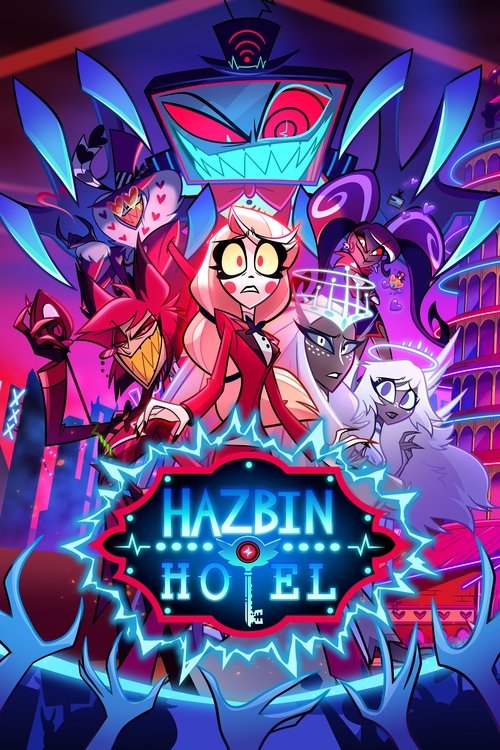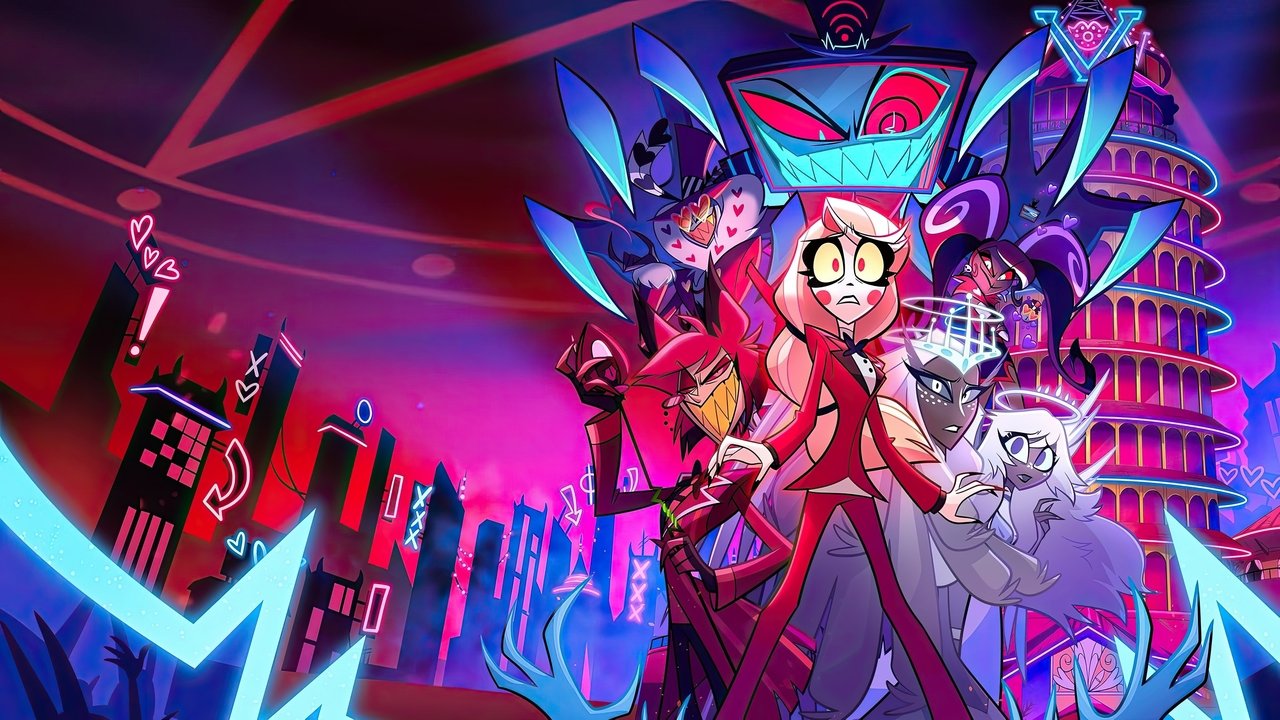

The Inferno as a Broadway StageTo describe *Hazbin Hotel* simply as an "adult cartoon" is to ignore the fascinating, chaotic alchemy of its existence. Born from the internet’s primordial soup—specifically, a 2019 YouTube pilot by Vivienne Medrano that garnered a cult following rivaling major franchises—the series has finally arrived on Amazon Prime via A24. It is a project that feels less like a traditional television production and more like a fan-fiction fever dream given an unlimited budget and a megaphone. The result is a hyperactive, neon-soaked musical that attempts to ask a theological question of Dostoevskian weight: Is redemption possible for the damned?
The premise is deceptively simple. Charlie Morningstar, the bubbly, Disney-princess-coded daughter of Lucifer, seeks to solve Hell's overpopulation crisis not through violence, but through rehabilitation. She opens the titular hotel to cure sinners, hoping to check them out into Heaven before an annual purge by exterminator angels wipes them out.

Visually, Medrano’s world is an assault on the senses, a spindly, jagged landscape bathed in aggressive hues of crimson, hot pink, and toxicity warning yellow. The character designs are distinct—skeletal limbs, sharp teeth, and eyes that seem to vibrate with manic energy. It is an aesthetic that rejects the rounded softness of mainstream Western animation in favor of something sharper, almost punk-rock. However, this visual density can occasionally work against the narrative; frames are often so cluttered with background gags and visual noise that the eye struggles to find a place to rest. It creates a suffocating sense of reality that fits the setting of Hell perfectly, even if it sometimes exhausts the viewer.
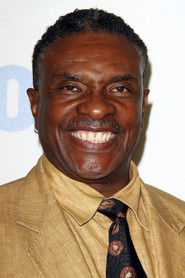
But the show’s true currency is its sound. *Hazbin Hotel* is an unapologetic Broadway musical. The songs are not merely interludes but narrative engines. In "Loser, Baby," a standout number performed by the gravel-voiced Keith David (as the bartender Husk) and Blake Roman (as the tragic porn star Angel Dust), the show reveals its beating heart. Beneath the sex jokes and profanity lies a tender exploration of shared trauma. It is in these musical moments that the frenetic pacing slows just enough to let the characters breathe, transforming caricatures into tragic figures worthy of empathy.

The series' greatest struggle is undoubtedly its pacing. The transition from independent web project to an eight-episode season has forced a compression of lore that sometimes feels breathless. We are raced through centuries of backstory and complex celestial politics at a speed that threatens to trivialize the stakes. The war between Heaven and Hell is painted in broad strokes, and while the villainous Adam (voiced with frat-boy obnoxiousness by Alex Brightman) is an entertaining antagonist, the brevity of the season leaves little room for the "redemption" aspect of the premise to actually take root. We are told the characters are changing, but we rarely have the quiet time to witness the slow, painful work of that change.
Yet, despite its narrative stumbling blocks, *Hazbin Hotel* succeeds because it commits so fully to its own absurdity. It is a show where the Antichrist suffers from daddy issues and where the armies of Heaven are led by a guitar-shredding misogynist. It demands you accept its rules instantly.

Ultimately, this is a story about the marginalized trying to prove their worth in a system rigorous in its cruelty. Whether you view it as a theological satire or simply a high-octane drama about demons, its core message resonates: the belief that no one is truly beyond saving, even when the entire universe—and the narrative structure itself—is betting against them. It is messy, loud, and imperfect, much like the sinners it champions, but it is undeniably alive.